SELANGOR has enjoyed massive economic growth over the past 25 years, turning it into an economic powerhouse.
Selangor investment, trade and mobility committee chairman Ng Sze Han said that when Selangor Ruler Sultan Sharafuddin Idris Shah ascended the throne in 2001, Selangor was already Malaysia’s industrial heartland.
“Twenty-five years on, it is something more ambitious – the country’s largest economy, and increasingly the place where future industries will take root.
“Much of the credit belongs to the steady hand of the palace. Investors prize stability above almost anything else, and Selangor has had it in abundance,” said Ng when contacted.
He added that the numbers since August 2023, when he took over the portfolio, were encouraging with Selangor drawing RM101.1bil in approved investments in 2024.
Former Selangor investment, industry and commerce, and small and medium enterprises committee chairman Datuk Teng Chang Khim, who had helmed the portfolio for seven years beginning September 2014, said a lot of work had gone into strategising, redesigning and reinvigorating Selangor’s economic growth.
“We drew up a new plan on how to stimulate the economy as well as to attract investments into the state.
“Several areas were also identified and work was put into growing and strengthening them,” said Teng, who is currently SME Corporation Malaysia chairman.
He added that various economic action plans were implemented, and close ties were established with the Malay, Chinese and Indian chambers of commerce in the state.
“Following that, Selangor was positioned as a trading gateway for Asean. Based on that vision, we organised the Selangor International Expo, which has since evolved into the Selangor International Business Summit,” Teng said.
He added that two far-reaching plans were mooted during his tenure, including Selangor Plan One, the state’s first five-year economic plan which was modelled on the Malaysia Plan.
The second initiative was the establishment of the Integrated Development Region in South Selangor (Idriss), covering Sepang and Kuala Langat.
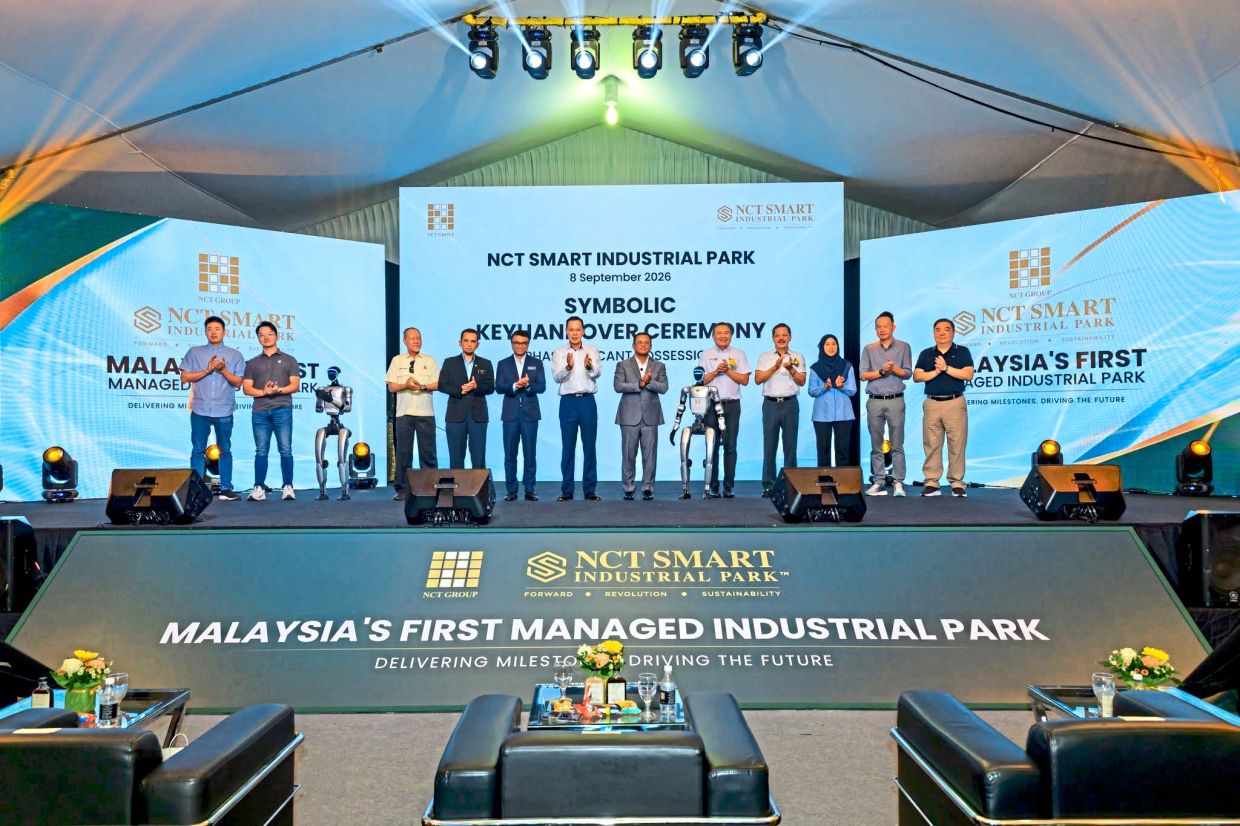
This led to the recent completion of the 1,000-acre NCT Smart Industrial Park and the approval of the third port development on Carey Island, which is expected to become a future Selangor Free or Special Economic Zone, Teng added.
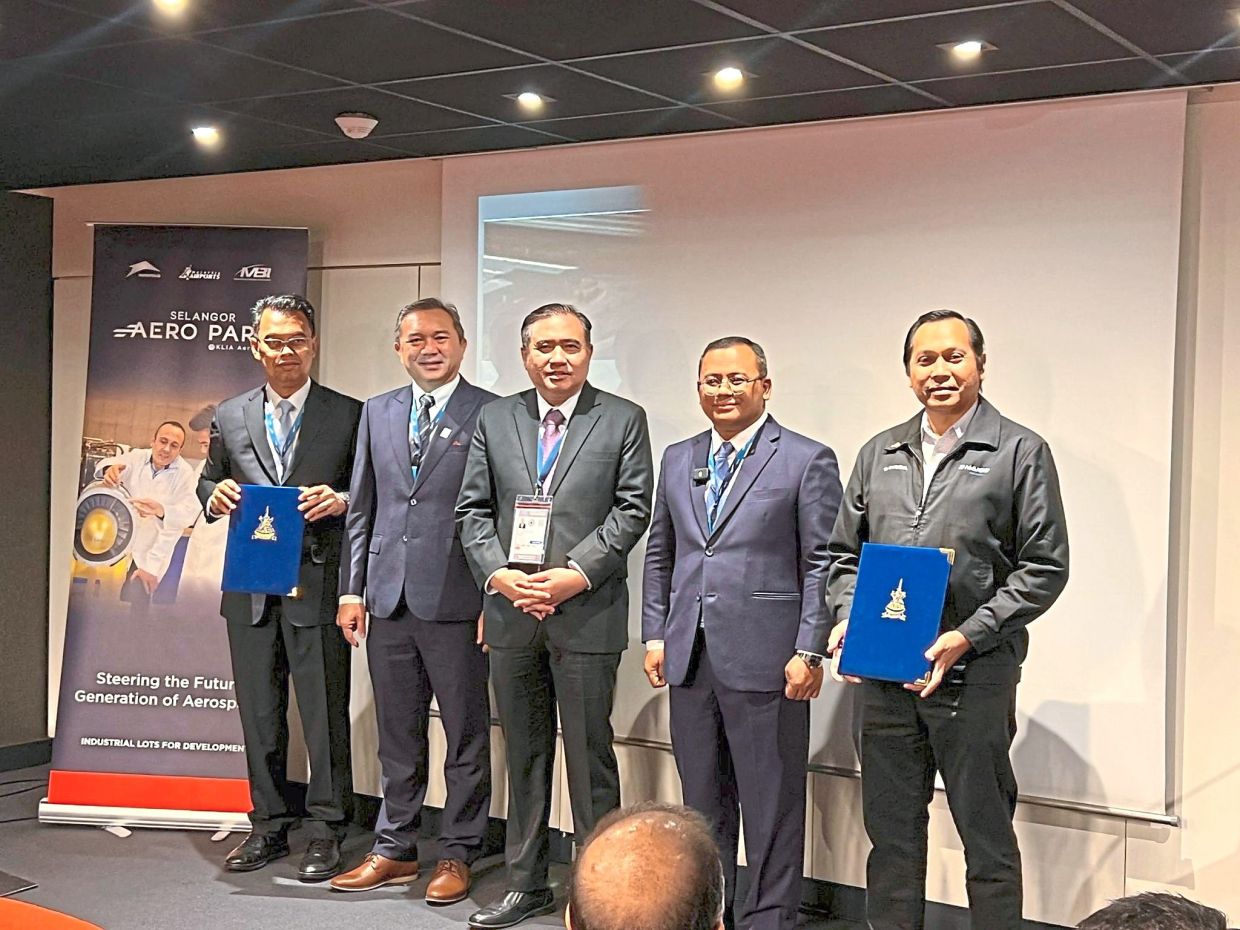
Meanwhile, Ng said the state aims to move Selangor up the value chain by expanding into chip design, aerospace and digital services, sectors that offer higher skilled jobs and better wages.
The requirement for data centres to have 30% local content also helps to ensure that Selangor’s small firms become suppliers rather than mere spectators, Ng added.
“If the next 25 years go as well as the last, Selangor will be judged not by the investment it attracts, but by the livelihoods it creates,” said Ng.
He added that job creation in Selangor would mean providing high-impact, high-income career opportunities.
“These include all the major high value sectors that Selangor is promoting, such as semiconductor, aerospace, rail, automotive, global business services, logistics and creative economy,” said Ng.