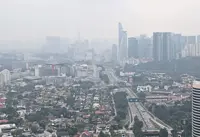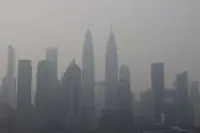
PETALING JAYA: The haze is not just causing an inconvenience and health problems.
With disruptions to economic activity, rising healthcare costs and lower worker productivity, it is also costing the country millions of ringgit, say economists.
The losses from the prolonged haze could amount to between RM20mil and RM50mil every day, says Sunway University economics professor Dr Yeah Kim Leng.
And this is just a conservative estimate, he adds.
“The actual economic toll could potentially balloon to a whopping RM600mil to RM1.5bil a month,” he said.
The 1997 haze, he said, cost about RM800mil, in 2013 it was RM1.57bil in healthcare and lost income and in 2019 regional haze cost US$5.2bil across affected areas,” he explained.
“The hardest-hit sectors are tourism and aviation. Air pollution can cut arrivals by up to 8%, with GDP losses up to RM1.5bil.
“In agriculture and plantation, Johor vegetable farmers report production declines, fruit yields have halved, and palm oil faces a six to 12 months lagged impact.”
He noted that with reduced visibility, logistics and transport had been affected, with deliveries delayed while construction has been slow or even halted.
“Labour productivity is affected through sick leave, school closures and slower SME retail activities. Solar energy output was negatively affected,” he said.
Universiti Sains Islam Malaysia (USIM) associate professor and public health medicine specialist Dr Mohd Hafiz Bin Jaafar said a study he did in Selangor found that extra hospital and clinic visits during haze months cost about RM14.6mil from 2012 to 2015.
“Nationally, the cost from illness rose from around RM21mil in the 1997 haze to RM410mil in 2013.
“That’s only the medical bill for respiratory illness. Haze also hurts the heart and blood vessels, which we haven’t fully counted,” he said.
Hafiz said the costs rose further when medical leave and lost income were taken into account, while school absences, disrupted flights and reduced business activity added to the wider economic impact.
“The 1997 haze cost Malaysia roughly RM1bil, and that was probably an underestimate.
“There are the hidden costs like staff who are absent, staff who turn up but can’t work properly and lost productivity.
“In Indonesia, the World Bank put the cost of the 2015 fires at US$16bil, almost 2% of its GDP.
“So haze is not just a health problem, it’s just as much an economic one,” he said.
He said Malaysia should strengthen its preparations before the annual haze, including early warnings, clear public health advice and protection for children, older people and those with asthma or heart disease.
“We should also support prevention at the source, together with Indonesia.
“Malaysia suffers from the smoke, so it makes sense for us to help with funding, technical support, and monitoring.
“But the Indonesian government must cooperate.”
Like others, Hafiz said a summit is needed to bring real commitment.
He said the region could no longer afford to ignore the recurring haze, noting that major episodes in 1997, 2006, 2013, 2015, 2019 and this year have resulted in higher healthcare costs, lost productivity and school disruptions.
“Prevention is cheaper than paying for the same crisis every few years. The cost is too high to ignore.”