KUALA LUMPUR: The implementation of the multi-lane fast flow (MLFF) system will incorporate artificial intelligence (AI) as Malaysia moves towards smarter highways, says Datuk Seri Alexander Nanta Linggi.
The Works Minister said AI is already being used in the management, planning, and maintenance of roads, including federal, state, and local authority roads.
“We must keep pace with global industry players because technology is evolving rapidly.
“AI is already being applied in the management, planning, and maintenance of our roads, including federal roads, state roads, and roads under local authorities.
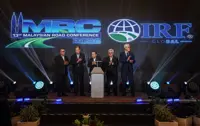
“As for the MLFF system, when it is fully implemented, it will certainly incorporate AI as well,” he said after launching the 13th Malaysian Road Conference and Exhibition 2026 as well as the 16th International Road Fede-ration Global Asia-Pacific Regional Congress.
He was responding to questions on the use of AI for smart highway development in Malaysia, including its incorporation into the MLFF system.
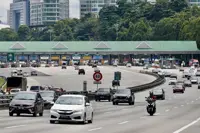
The MLFF system in Malaysia is a barrier-free and seamless toll payment system designed to improve traffic flow.
Based on reports, the system will be implemented in stages, beginning with the single lane fast flow (SLFF) system in 2027, following the finalisation of the necessary amendments to the relevant Acts and legislation.
Meanwhile, in his speech, Nanta said the ministry is shifting its focus beyond road construction to ensuring the country’s road infrastructure is of high quality, resilient, and sustainable through technology and innovation.
He said the adoption of advanced technologies such as AI is crucial in the digital era to improve the planning, management, and maintenance of federal and state roads.
“The ministry’s focus is not merely building roads, but also ensuring that the country’s road infrastructure is of higher quality, resilient, and sustainable through technology and innovation, for the well-being of the people.
“From a global perspective, the forum brings together industry players and engineering professionals to exchange experiences and share the latest knowledge on road engineering technology.
“Our road network faces growing pressure from traffic demand, ageing assets, and higher maintenance costs.
“Climate-related hazards, including extreme heat, floods and landslides, add to these challenges, alongside the need to consider seismic risks.
“We must therefore rethink how we design, maintain, and protect our roads so that they remain reliable for future generations,” he said.