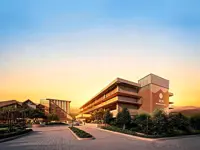
Selangor’s position as a major shopping and retail hub is evident in both scale and demand.
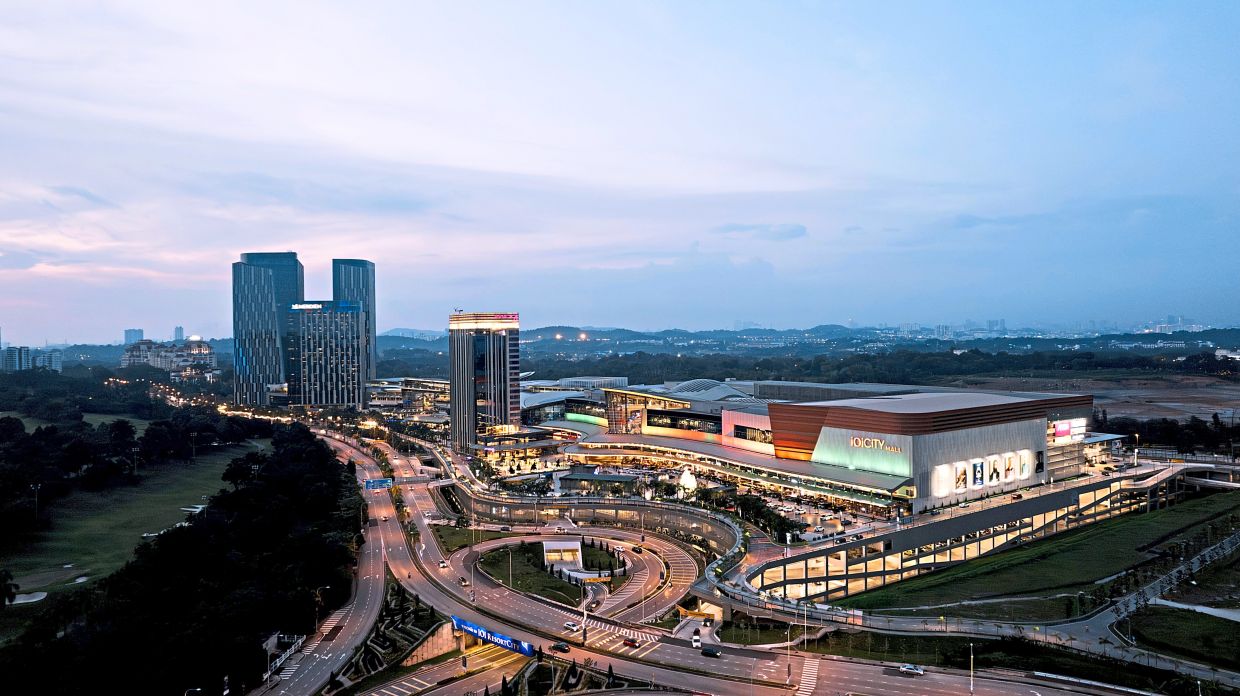
It is home to Malaysia’s largest mall, IOI City Mall in Sepang, whose lettable space is equivalent to about 33 football fields.
Its parking facility can accommodate 14,000 cars.
A 2026 National Property Information Centre (Napic) report recorded 152 shopping complexes in Selangor, the highest number in the country.
Napic’s valuation and property services department also reported that Selangor shopping centres commanded a higher overall average rent – RM108.92 per sq m – than those in Kuala Lumpur.
Malaysia Shopping Malls Association president Phang Sau Lian said Selangor, with 4.2 million sq m of lettable retail space, ranks first in shopping centre concentration.
Kuala Lumpur is second, followed by Johor and Penang.
“Shopping mall development generally follows economic growth. The Klang Valley, comprising Selangor and Kuala Lumpur, is one of Malaysia’s key economic growth areas. As development expands, retail naturally follows,” said Phang.
Many new housing and commercial projects in Selangor now include retail components.
Developers recognise that amenities such as supermarkets are a key convenience factor for residents, she added.
Multiple consumer catchments
Malaysia Retail Chain Association (MRCA) retail division chief Marcus Chew said Selangor’s strength lies in its multiple major consumer catchments, each with different retail opportunities.
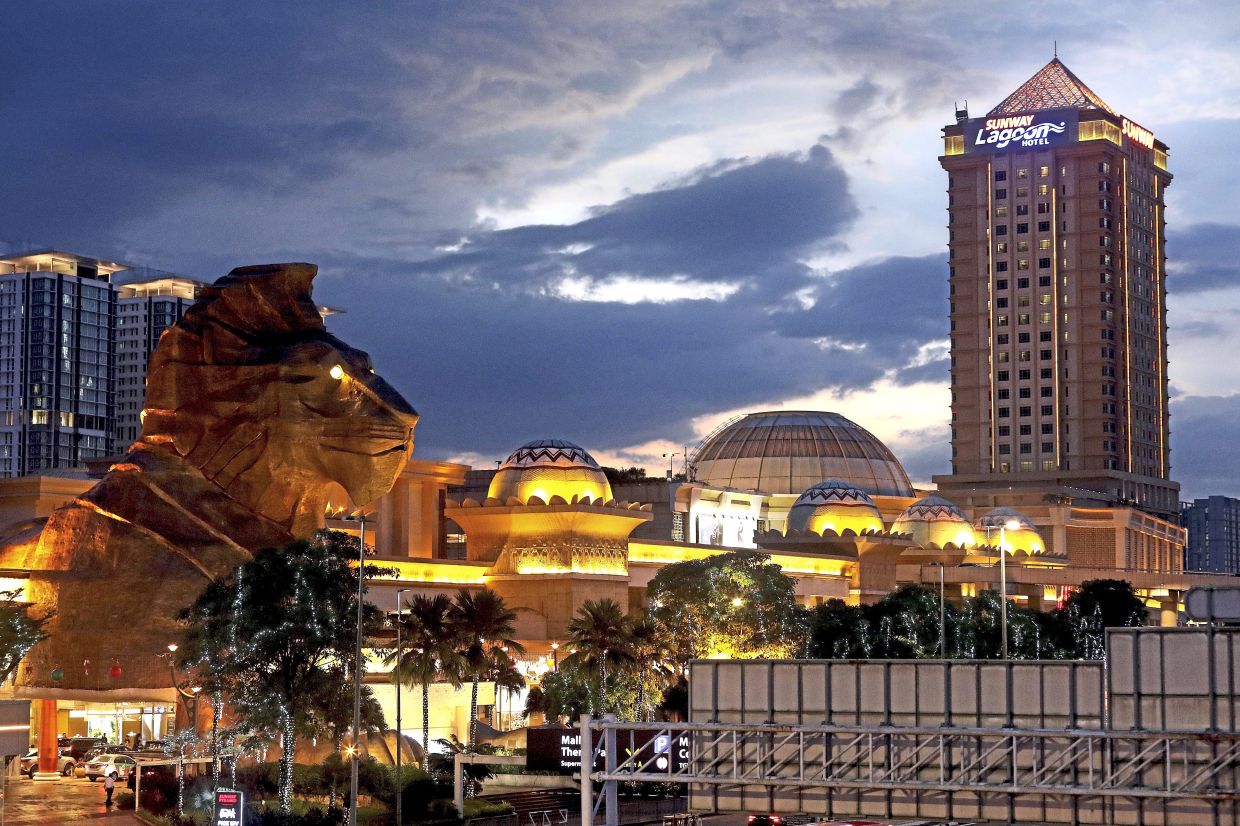
“Petaling Jaya and Subang Jaya are mature markets, but mature does not mean saturated. Their next opportunity is increasingly in redevelopment, premiumisation, stronger concepts and experiential retail,” he said.
Shah Alam benefits from expanding residential communities and strong family catchments, Puchong has a large established residential base and strong connectivity, while Klang combines a substantial local population with industrial and logistics activity.
Each township has its own population base, demographics and retail ecosystem, allowing retailers to choose the right format, whether a mall, flagship store or convenience outlet.
The evolution of malls
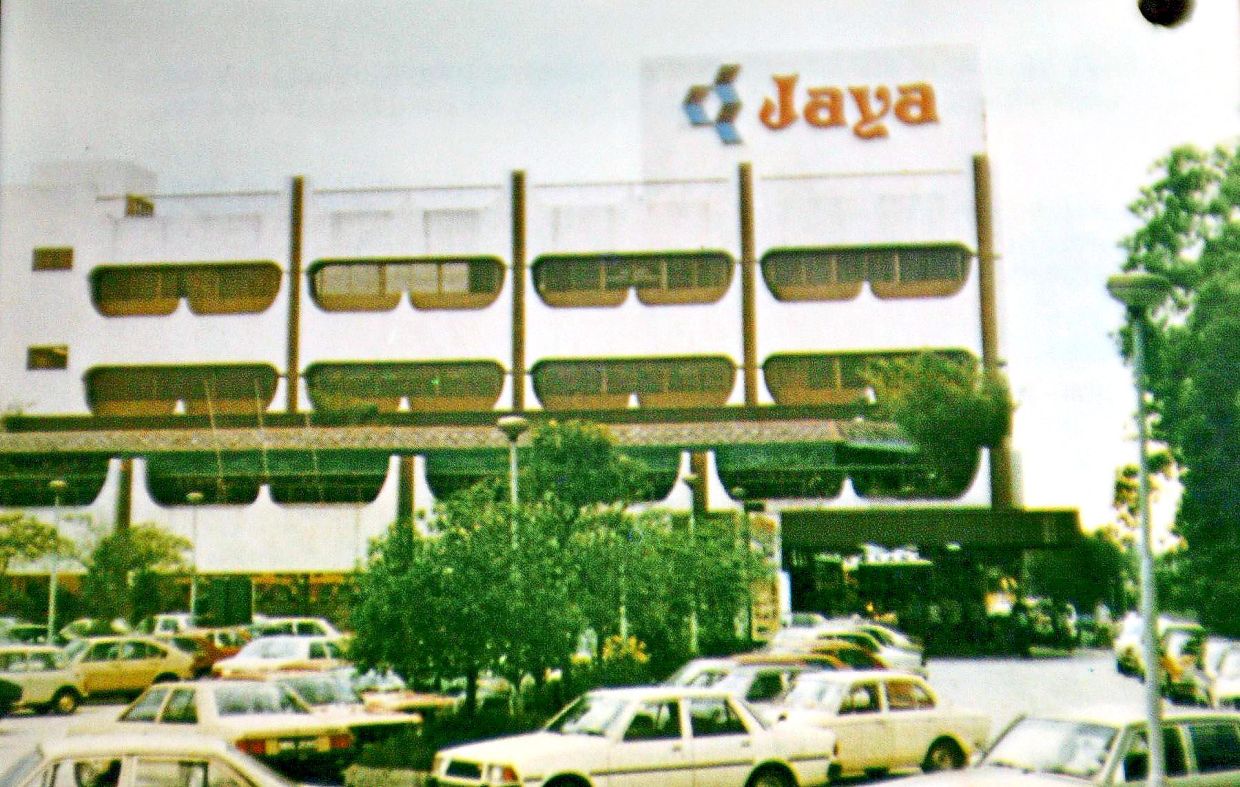
Petaling Jaya was among the early centres of modern suburban retail, with Jaya Supermarket – later Jaya Shopping Centre – becoming an important retail landmark in the 1970s.
The following decades saw the emergence of larger suburban shopping destinations, including Subang Parade in the 1980s, followed by major destination malls such as 1 Utama and Sunway Pyramid in the 1990s.
“This history illustrates a defining characteristic of Selangor retail: each generation has had to reinvent what a shopping destination means,” Chew said.
In the early years, the priority was bringing modern retail closer to growing communities. The next phase introduced larger malls and destination shopping.
This process of reinvention has also turned malls into what sociologists term a “third place”, said Phang – a setting outside home and the workplace where people spend leisure time.
“In the Malaysian context, that is often a shopping mall. As a rough estimate, nearly one in five Malaysians spends time in shopping malls over weekends,” she said.
However, malls must continue adapting to changing consumer needs to sustain footfall.
One strategy has seen mall operators partnering with Tourism Malaysia, a relationship that has continued for about 20 years.
This is why, during major festive seasons, malls invest heavily in decorations and themed experiences that showcase Malaysia’s multicultural heritage.
Experience drives footfall
In today’s retail environment, shopping alone is no longer sufficient, especially when consumers can buy fashion and other products online, Phang said.
“Consumers are also looking for experience,” she said.
As a result, food and beverage outlets have become an increasingly important part of malls’ tenant mix.
Previously, it might have accounted for about 10% of the trade mix; today, it can exceed 40% in some malls.
Entertainment such as cinemas, skating rinks and bowling alleys – recreational facilities that cannot be replicated online – give people a reason to go to the malls.
Growth and potential
Chew said industry players remain confident about Selangor’s retail outlook.
However, expansion decisions should increasingly be based on population growth, household formation, accessibility, infrastructure and consumer behaviour – rather than the availability of retail space alone.
“The question is no longer ‘Where is the next mall?’ The question is, ‘Where is the next sustainable consumer community?’” said Chew.
MRCA members have identified several areas that can strengthen Selangor’s competitiveness.
The first is better public transport and last-mile connectivity.
Retail depends on accessibility not only for customers, but also for employees. Improved integration between rail, buses, residential areas and commercial centres would boost customer traffic and workforce mobility.
The second is a more efficient and consistent environment for retail expansion.
For example, the easing of applications for licences and signage approvals with local authorities would allow businesses to test new concepts.
Technology, meanwhile, should not be adopted simply because it is fashionable, Chew said.
It must improve customer experience, operational productivity and profitability.
A successful retailer that sells both online and in physical stores should be able to recognise the same customer across channels, understand purchasing behaviour and manage inventory across locations.
Looking ahead, Chew said Selangor’s ambition should not merely be to have more malls or retail floor space.
“Selangor’s next opportunity is to become not only a major consumer market, but also a launchpad where Malaysian brands can expand internationally.
“Our next retail success story should not only be about bringing the world’s best brands into Selangor. It should also be about taking Selangor’s best brands to the world,” he said.