Long before digital archives, The Star’s Info Centre has been preserving decades of clippings, photographs and pages.
THE phone would ring late at night.
A story had broken. A reporter needed photographs and newspaper reports that had been published years earlier. Somewhere in The Star’s library, the answers were waiting.
While the newsroom raced to meet the deadline, someone in the library would silently walk to the filing cabinets and begin searching by hand. For much of The Star’s history, that was simply how the newsroom worked.
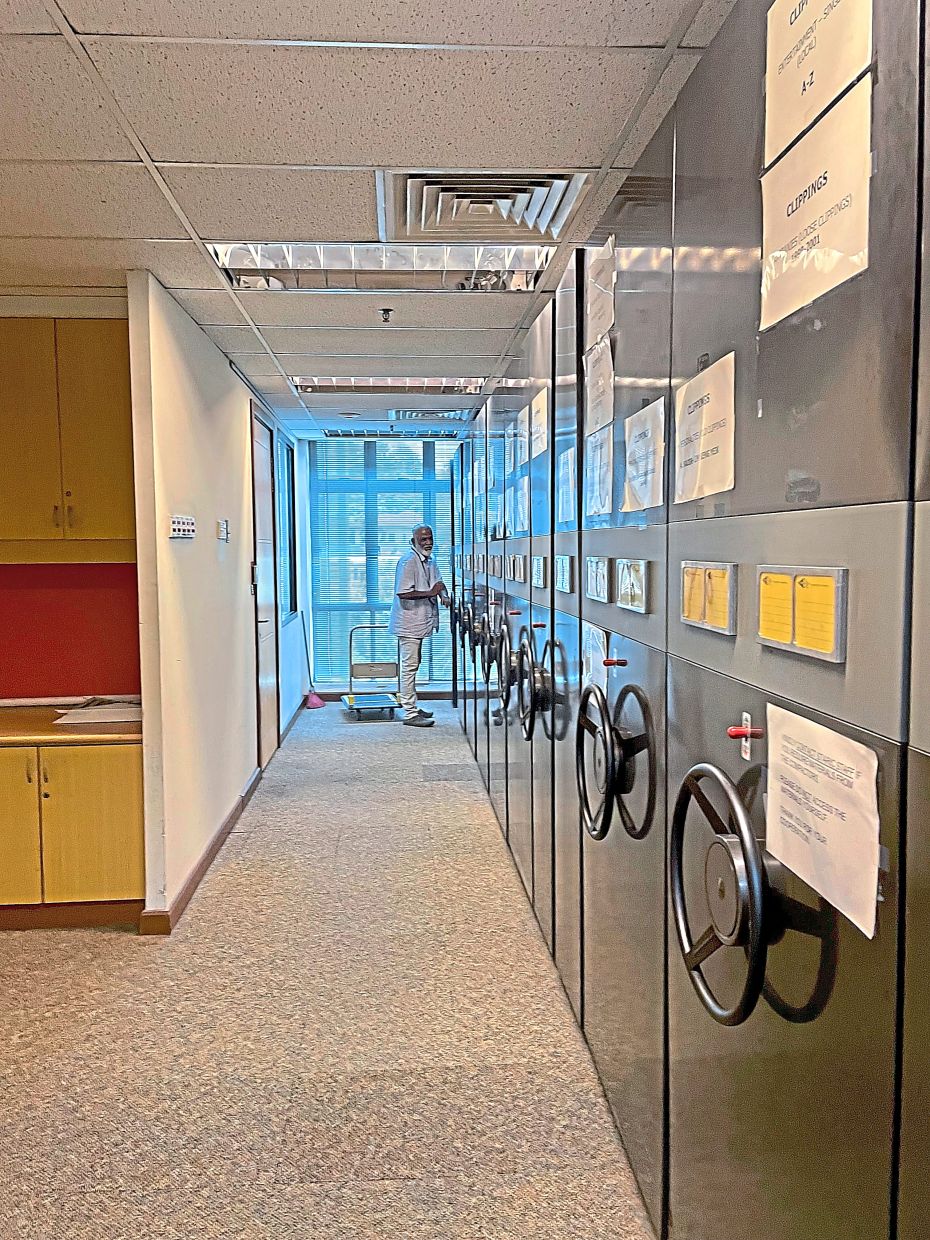
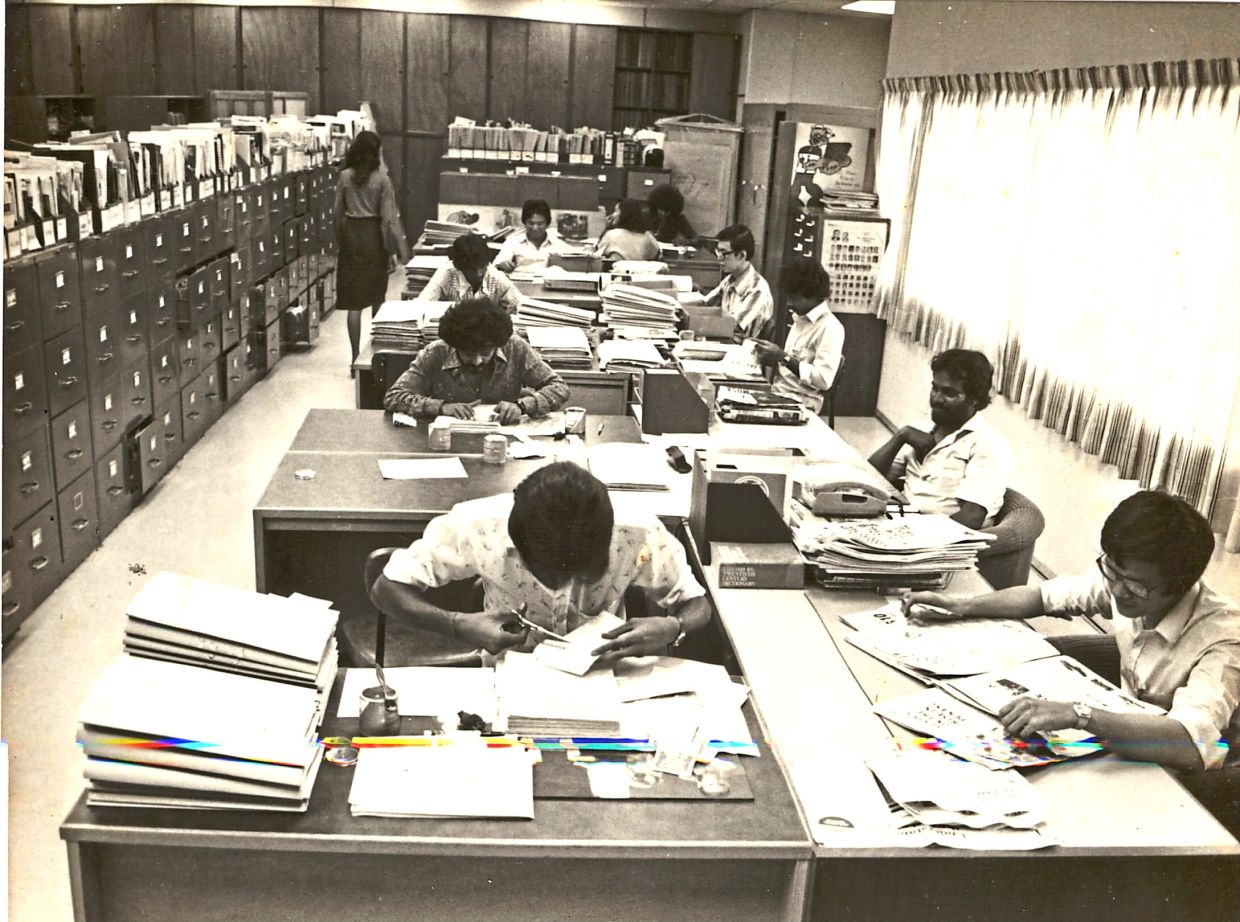
Long before search engines and digital databases, every newspaper cutting, photograph and background file had to be processed manually.
Newspaper reports were carefully cut out and pasted onto sheets of white paper or photocopied, then labelled and filed by subject.
Over the years, they grew into a living archive of The Star’s reporting that generations of journalists relied on almost daily.
Keeping yesterday alive
“When reporters needed information on a particular subject, they would come to the library and borrow the relevant files,” recalled Star Media Group Info Centre (Staric) head Aminuddin Omar, who joined the department in 1997.
Keeping track of those files was often an adventure in itself.
“Sometimes reporters forgot to return them, so we’d have to go around the newsroom looking through desks and workstations to find the missing folders,” he said with a laugh.
For Ravi Chandran, the deputy head of the Info Centre, the memories stretch back even further.
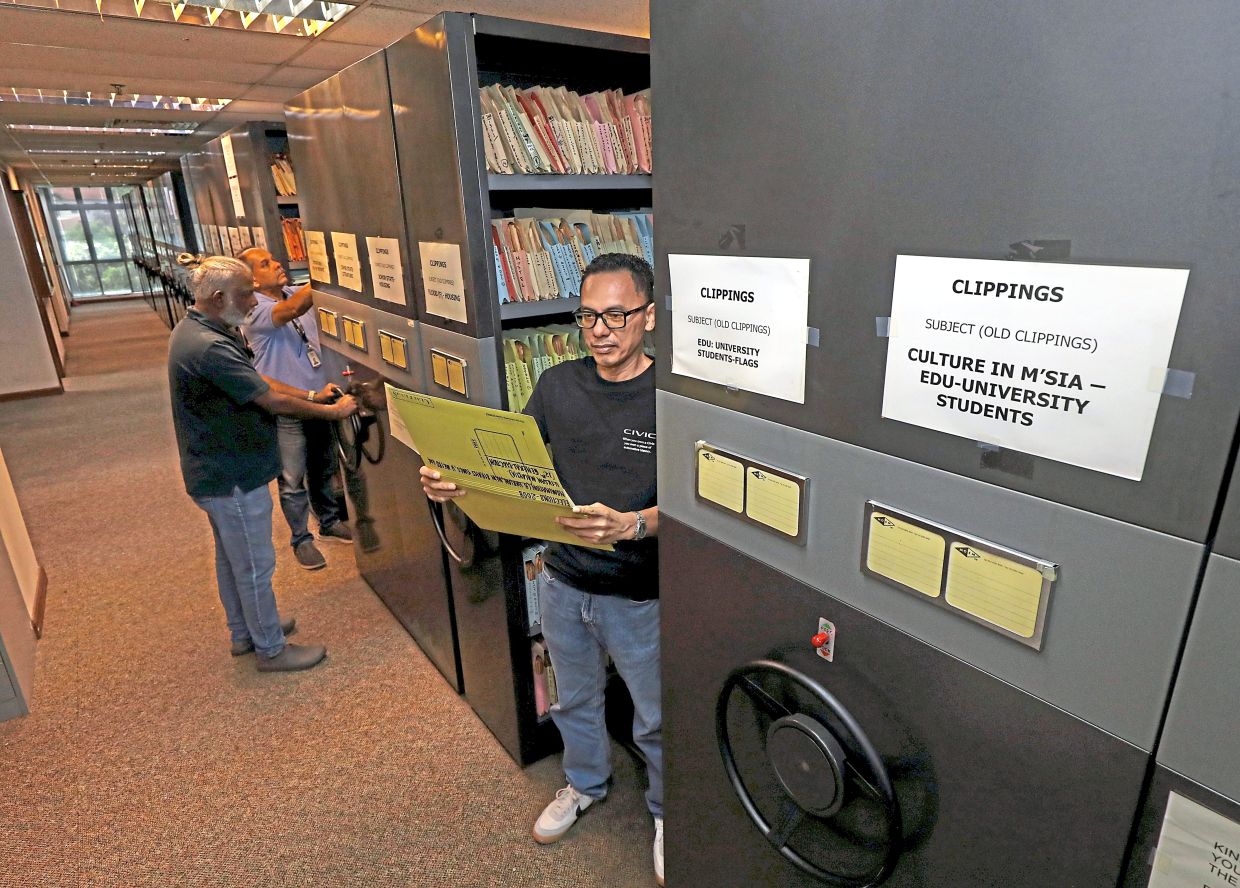
Since joining The Star in 1983, he has witnessed the department’s transformation from rows of filing cabinets and shelves overflowing with newspaper clippings to today’s searchable digital archive, where decades of reporting are just a few clicks away.
Back then, the library employed about 30 staff working in two shifts, from 9am to 5pm and from 6pm until 2am, ensuring that reporters covering breaking news always had someone to turn to.
“If news broke at night and reporters needed background information, photographs or archive material, someone had to be there to help,” said Ravi.
From filing cabinets todigital archives
The turning point came in 2001, when The Star moved from its Section 13 office to its current home of Menara Star in Section 16, Petaling Jaya.
Recognising that the traditional filing system could no longer keep pace with the volume of materials being produced, the team began laying the groundwork for a large-scale digitisation effort.
Over the next decade, millions of pages of newspapers, photographs and archival material were scanned and indexed.
By 2010, the night shift was gone. What had once been an almost round-the-clock operation had evolved into standard office hours, as reporters and editors gained direct digital access to archived materials from their desks.
Today, the Info Centre operates with just five full-time staff, supported by interns from Universiti Teknologi Mara (UiTM) – down from 30 staff previously, but with its mission unchanged.
“Our policy is to deliver the right information to the right person at the right time,” said Aminuddin.
The digitisation effort is still very much a work in progress.
The team has already scanned newspaper clippings dating from Sept 9, 1971, the paper’s launch, through to Dec 31, 1994, converting them into searchable PDF files for internal use.
Work is now underway to cover the years 1995 to 2003, with a further nine years of materials still waiting to be processed.
At the current pace, completing the project could take another three years, and that is only for the newspaper clippings.
The library also houses decades’ worth of photographs and negatives that have yet to be fully digitised.
A specialised CopiBook scanner is used to digitise old newspapers page by page; the files are then converted into PDF format and uploaded into the archive database.
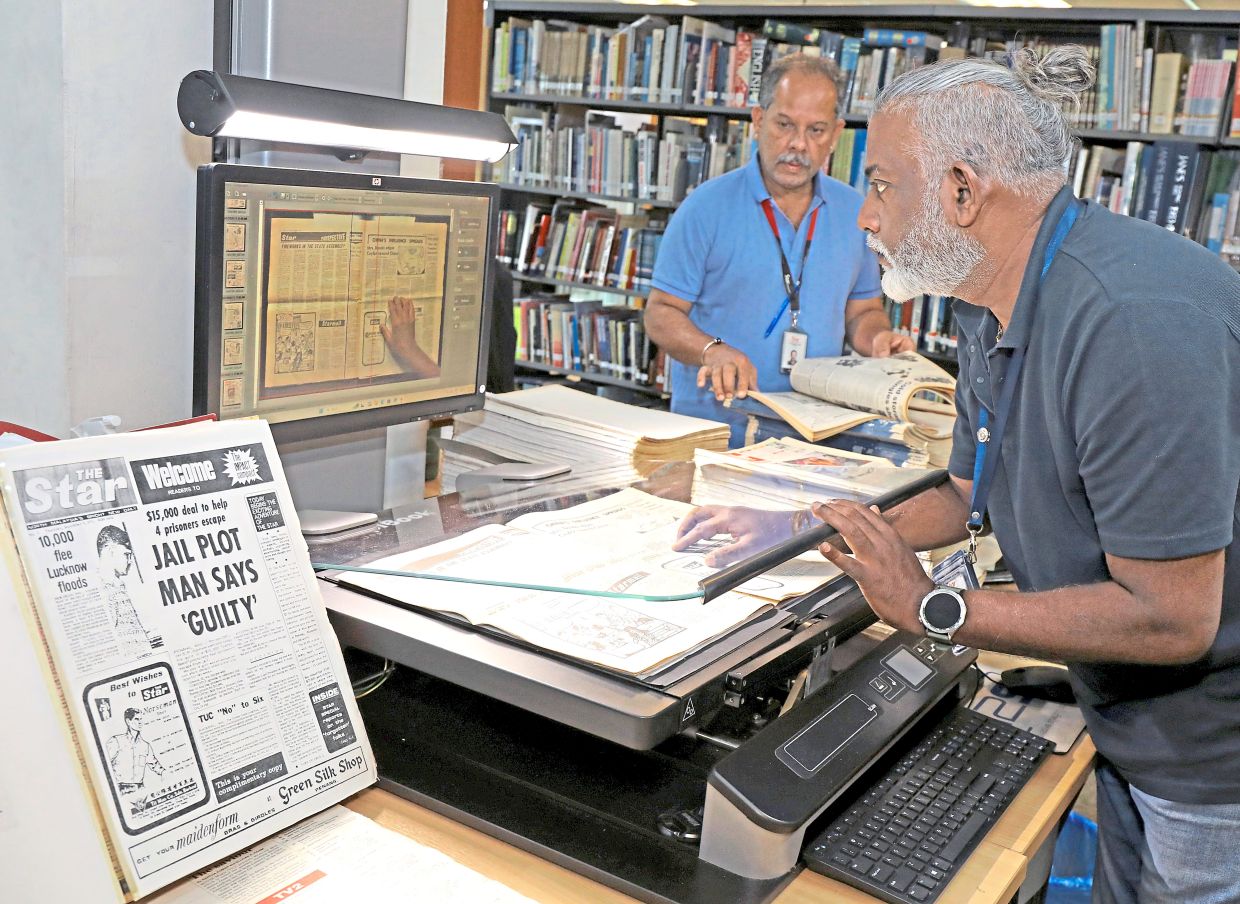
“It’s a huge undertaking,” said Ravi.
What once required a trip to the library and a search through filing cabinets can now be done from a newsroom desk in seconds.
But getting there has taken years, and will take several more.
The tools may have changed, but the work remains the same: preserving yesterday so today’s journalists can tell tomorrow’s stories.
While the Info Centre’s primary role is to serve The Star’s journalists, its use extends beyond the newsroom.
More than a newsroom library
Lawyers, academics, students, researchers, authors and the general public regularly make their way here in search of information that can no longer be found elsewhere.
Law firms are among the library’s most consistent users, some seeking stock exchange pages published years ago, needed as evidence in court proceedings.
“Those pages are no longer available in print, but we still have them in our archives,” said Ravi.
University students come in search of material on high-profile criminal cases that once dominated national headlines.
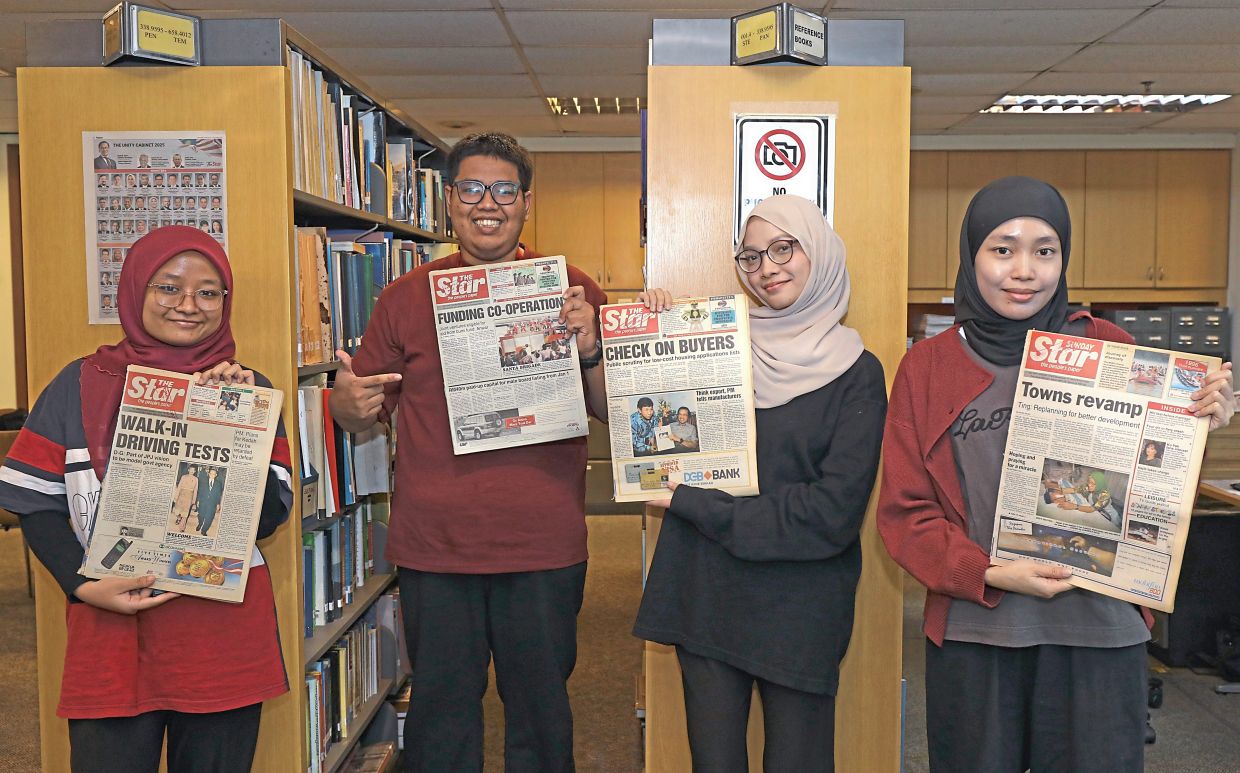
Among the most frequently requested are records relating to the Mona Fandey case, the murder of Batu Talam assemblyman Datuk Mazlan Idris and the 1979 killing of former beauty queen Jean Perera Sinnappa as well as the subsequent trial.
Authors and researchers have found the library’s photo archive equally invaluable.
Former professional footballer Datuk Abdul Shukor Salleh drew on Staric’s collection for his coffee-table book Datuk Shukor Salleh Jeneral Padang, while the historical volume Chronicles of Malaysia 1957-2007 also featured a large number of photographs sourced from the same archive.
In many cases, the library holds images and records that exist nowhere else, making it a unique repository of Malaysia’s social, political and sporting history.
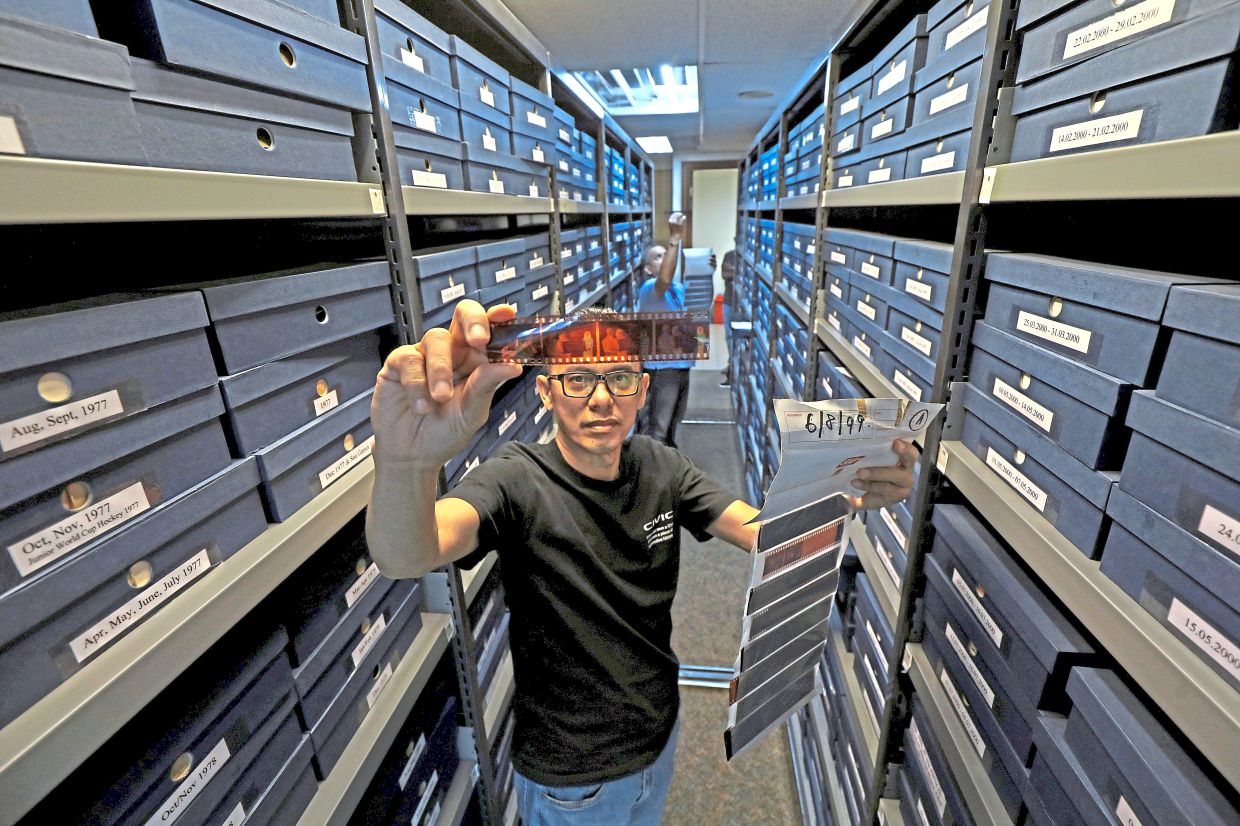
Then there was the day the researchers were replaced, briefly, by filmmakers.
In 2015, director Dain Iskandar Said transformed the Info Centre into a film set for his supernatural thriller Interchange.
Drawn by the library’s striking archive compactors, the production crew spent a day turning the normally quiet space into something altogether more cinematic.
In the finished film, actor Iedil Putra’s character searches the archive for a photograph that holds the key to a mystery.
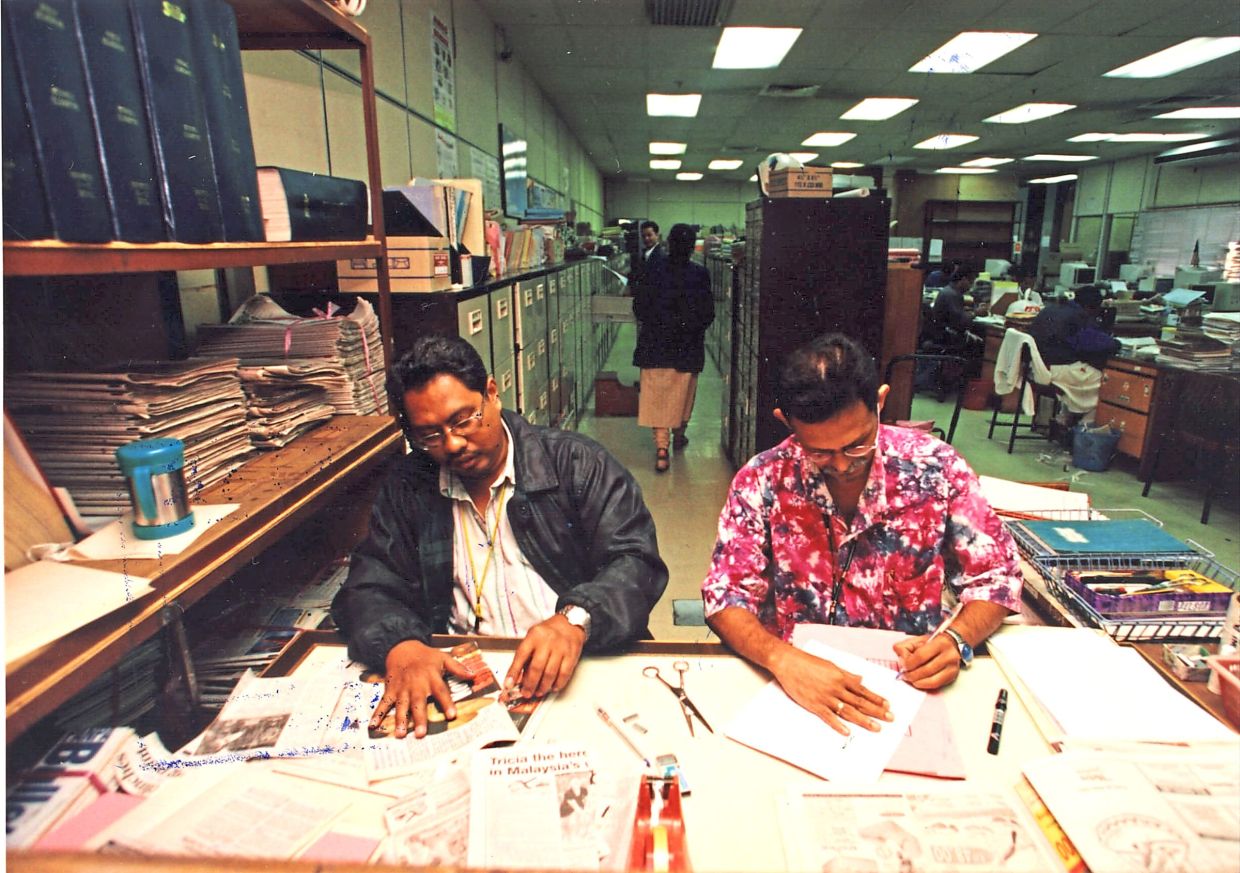
“It was a different kind of research happening that day,” said Ravi with a smile.
The Star was founded in Penang on Sept 9, 1971.
As the paper marks its 55th anniversary this year, the Info Centre stands as one of its most enduring institutions, smaller than it once was, but no less vital.
The filing cabinets are mostly gone. The late-night calls are fewer. The archives now live on computer screens.
But behind every click is the work of generations who make sure that The Star’s history and a part of Malaysia’s are never lost.