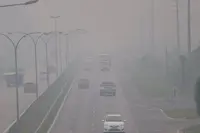
PETALING JAYA: Athletes should know when to call off a training session as the haze worsens, with unusual breathlessness, wheezing, chest tightness and dizziness among the warning signs to stop exercising outdoors, says the Malaysian Association of Sports Medicine (MASM).
It said caution should be especially exercised for high-intensity and prolonged outdoor activities, including endurance sports and competitions, where exposure to polluted air may be substantially greater.
"While exercise and physical activity remain important for maintaining health and fitness, haze increases exposure to air pollutants.
"The physiological demands of exercise can increase the amount of polluted air inhaled," it said in a statement on Monday (Sept 7).
It added that air quality should be actively considered when planning or conducting outdoor sports and physical activities.
"Individuals and organisers should be prepared to reduce the intensity or duration of activities, move activities to a safer environment, postpone activities, or suspend outdoor activities where necessary.
"Those with underlying respiratory or cardiovascular conditions, particularly those with asthma, should take additional precautions and seek medical advice when necessary.
"Anyone experiencing unusual shortness of breath, wheezing, chest tightness, persistent coughing, chest pain, dizziness or other concerning symptoms during exercise should stop the activity and seek medical assessment," MASM said.
It added that wearing a mask alone does not make strenuous outdoor exercise safe during severe haze episodes.
"Appropriate respiratory protection may be considered if outdoor exposure is unavoidable, but reducing exposure remains the primary approach," it said.
MASM also said health and safety considerations should form an integral part of event planning, among sports organisers.
This includes having clear criteria for modifying, postponing or relocating activities when air quality deteriorates, as well as ensuring appropriate medical support and contingency arrangements are in place.
It also stressed that the decision to continue, modify, postpone, or suspend an activity should be based on prevailing environmental conditions, the nature and intensity of the activity and the health and well-being of participants.
"Check air quality before exercising, make sensible adjustments to outdoor activities, listen to your body, and prioritise health and safety above performance or competition schedules," it added.
As of 9am on Monday, Samarahan in Sarawak recorded an Air Pollutant Index (API) reading of 230, putting air quality there in the "very unhealthy" range.
A total of 41 locations nationwide recorded unhealthy levels, with 11 locations being in Sarawak.
Very unhealthy API readings range from 201 to 300 while unhealthy readings range between 101 and 200.