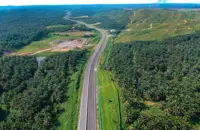
KOTA KINABALU: Critically endangered Sunda pangolins can traverse commercial oil palm plantations but remain dependent on natural forests for safe shelter, according to a newly published study.
The study, published in Scientific Reports, tracked eight wild pangolins using VHF radio telemetry across Sabah’s Lower Kinabatangan landscape. Researchers logged over 1,200 sleeping-site observations across more than 600 distinct locations in both forest patches and agricultural areas.
While the data demonstrated that pangolins possess the behavioral flexibility to navigate highly modified agricultural terrain, the animals consistently favoured intact natural forests for resting whenever available.
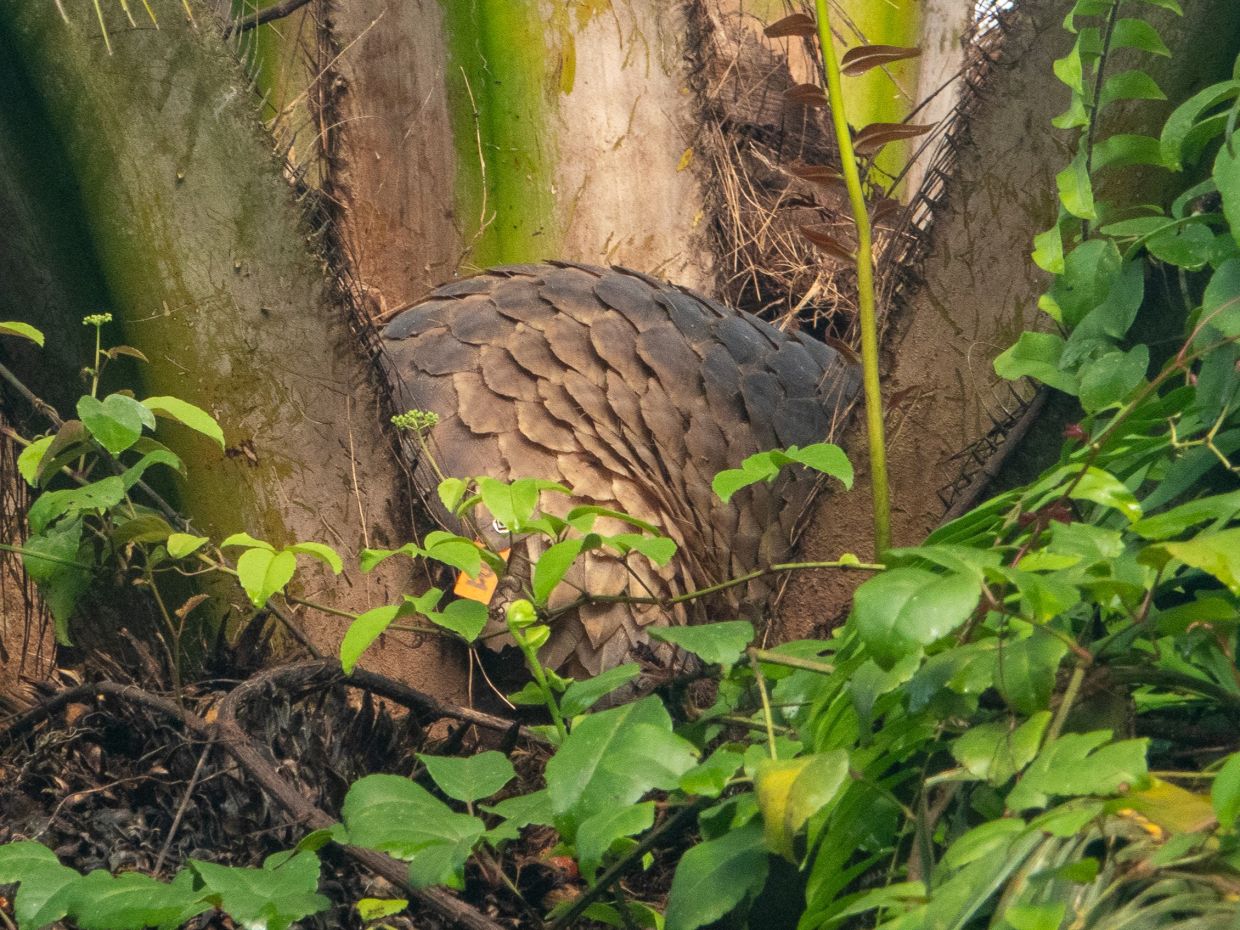
Natural forests provide secure, reusable refuges such as hollow tree trunks and underground burrows. In contrast, pangolins residing in plantations primarily slept within oil palm crowns—exposed roosts that offer far less protection from predators and the elements, and are rarely reused.
"Just because pangolins are seen in plantations does not mean the habitat alone is suitable for their long-term survival," said lead author Jia Zhen Lim, a researcher with the Danau Girang Field Centre (DGFC) and the University of Hong Kong. "They still depend heavily on natural forests for proper refuge."
The findings carry significant implications for conservation management, habitat preservation, and selecting optimal release sites for rehabilitated pangolins.
Cardiff University’s Prof Benoit Goossens, director of DGFC and co-author of the study, emphasised that forest conservation extends beyond maintaining food supply and wildlife corridors.
"Understanding where and how pangolins sleep provides a crucial new perspective for conservation," Goossens said. "Protecting forests is also about preserving the critical resting sites animals need to survive."
Goossens noted that further research involving broader demographics—specifically female pangolins and different age groups—is required to confirm whether these spatial patterns hold true across other landscapes.