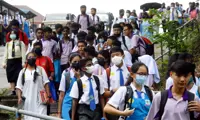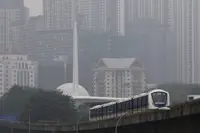
KOTA KINABALU: Haze affects not just humans but flora and fauna as well, say environmentalists.
Danau Girang Field Centre director Dr Benoit Goossens said the haze from forest fires could impact wildlife in many ways.
“It can affect their respiratory or breathing systems. It can potentially alter their behaviour if the haze persists for long periods,” he said.
For example, it could disrupt movements due to low visibility, especially among birds.
“It can also affect the ecosystems in which they live. For example, smoke can block sunlight and raise carbon dioxide levels, which can consequently lower photosynthesis and transpiration rates in plants,” he said.
Dr Gossens added that the haze can also affect insects, like pollinators that may struggle to survive, which meant a shortage of food for insect predators across the food chain.
“You can imagine that if people suffer from haze, orang utan do suffer the same way, like other primates and large mammals,” he said.
Sabah Environmental Protection Association president Alexander Yee explained that the haze would affect wildlife because an unclean environment would impact all living organisms.
“The question is how much is the effect,” he said.
He recalled when the air quality index in this region exceeded 800 during the 1997-98 haze crisis, which resulted in the tourism sector facing economic losses.
Shavez Cheema, founder of 1StopBorneo, said the haze could also impact fig wasps.
“And if they die, which they do, that can impact fig pollination.”
“When that happens, the fig sources would reduce. Figs are food for many wildlife species so without food, other wildlife species would also be affected.”