
KUALA LUMPUR: Building a united Malaysia while respecting its diversity remains a work in progress that all Malaysians must strive towards, says Datuk Seri Dr Wee Ka Siong.
The MCA president said Tun Tan Cheng Lock’s vision of a shared Malayan identity, while respecting different cultures, languages and traditions, remained relevant as the country approaches its 69th National Day.
“When we talk about Sir Tun Tan Cheng Lock, many people immediately think of his role as MCA’s founding president.
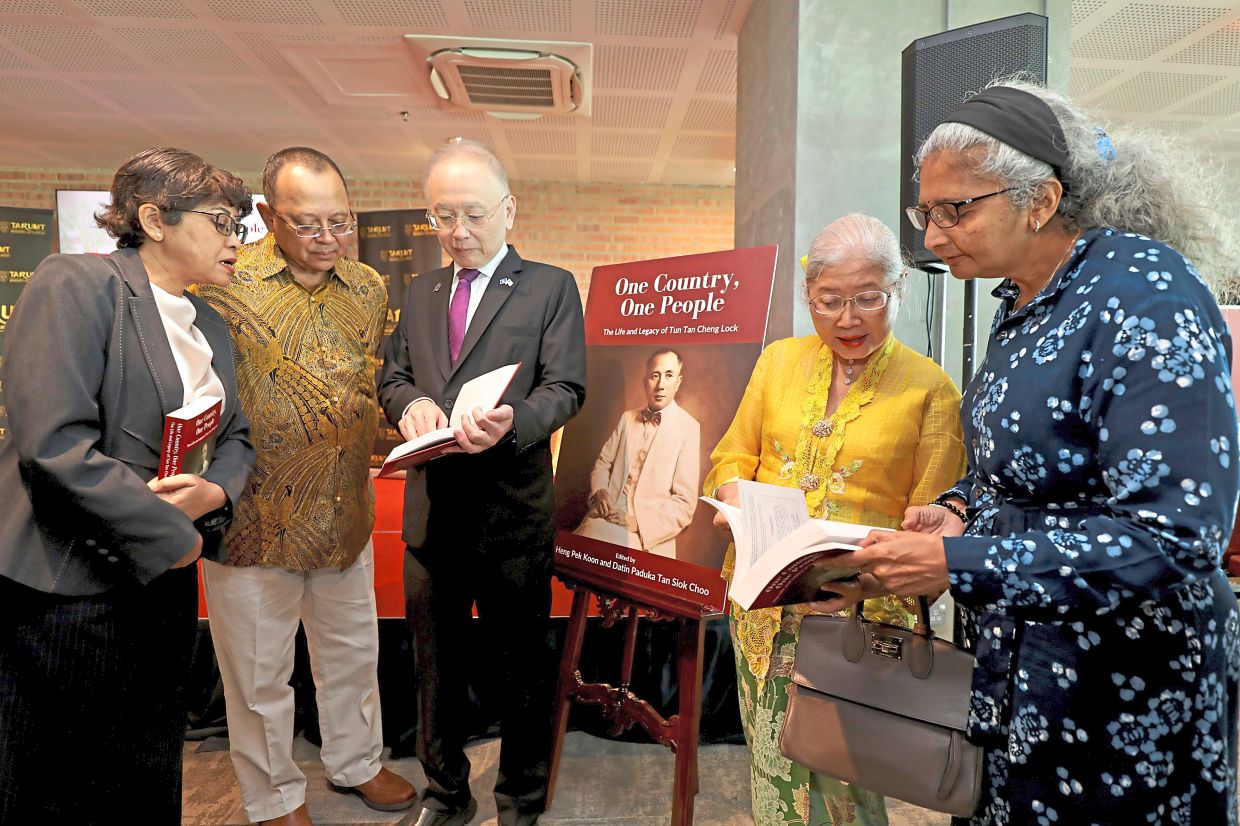
“That is an important part of his legacy. But if we stop there, we miss the bigger picture,” he said at the launch of the book One Country, One People: The Life and Legacy of Tun Tan Cheng Lock at TAR UMT here yesterday.
Also present was Tan’s granddaughter, Datin Paduka Tan Siok Choo, who co-edited the biography.
Dr Wee said he received the book two weeks ago and was initially told to read chapters four and five but ended up reading the entire book.
“Actually, there are many untold stories that I think are very good for all of us to know,” he said.
Among the episodes that caught his attention was Tan’s relationship with Datuk Onn Jaafar, including their meeting in Johor Baru on Jan 14, 1949, weeks before MCA was formed.
Dr Wee said the relationship showed how Tan worked with leaders of different political views while keeping the larger goal of independence in sight.
He said the biography also offered insights into Tan’s relationships with Malay leaders and his efforts to promote “Malayan consciousness”.
Dr Wee noted that Tan recognised that people did not have to abandon their cultural roots to develop a common identity and loyalty to the country.
Dr Wee said issues facing Malaysia today, including unity, identity and fairness, had been debated for decades, making the lessons of the country’s formative years particularly relevant.
He said the nation was shaped through dialogue and difficult compromises, rather than by accident.
“This book tells us where we came from and reminds us where we should be heading to. Are we building bridges or walls? Are we focusing on what brings us together or what sets us apart?” he said
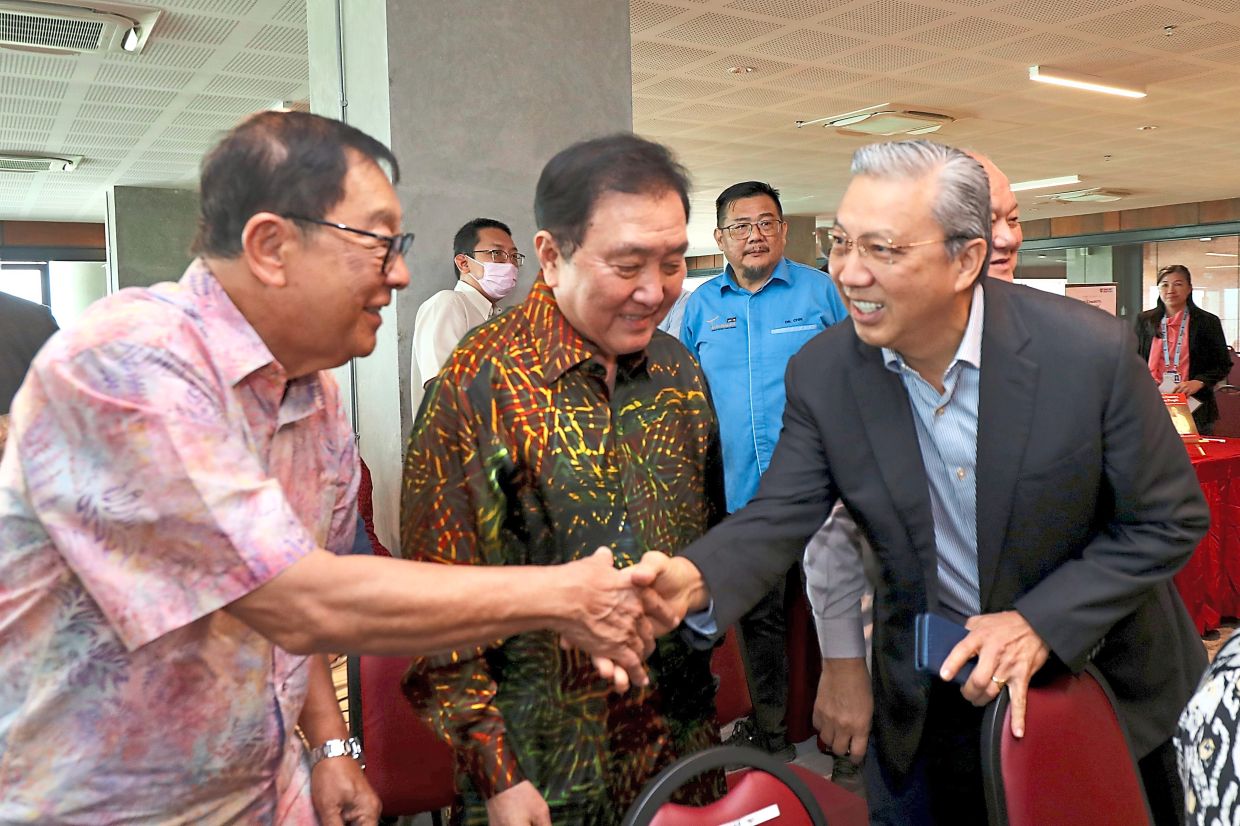
Dr Wee also urged younger Malaysians to learn about the country’s past to better understand the nation they were inheriting and their role in shaping its future.
Adding to the significance of the event, descendants of several prominent figures involved in Malaysia’s nation-building history also attended the launch, including Tunku Abdul Rahman’s grandchildren Tunku Munawirah Putra and Tunku Muinuddin Putra, and Tun VT Sambanthan’s niece Lavanya Rama Iyer.
Published by UTAR Press, the biography features contributions from academics examining Tan’s family, political career, advocacy of Malayan consciousness, role in MCA’s formation and ties with Malay leaders.
Dr Wee said the editors and contributors deserved recognition for documenting the life of a figure whose ideas on cooperation and nation-building continued to resonate.