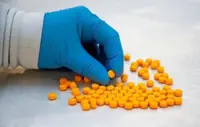
KUALA LUMPUR: The rise in dual diagnosis cases involving synthetic drug abuse among young Malaysians is turning into a public health and national security crisis, says Datuk Ruslin Jusoh.
The warning by the National Anti-Drug Agency (AADK) director-general comes amid a sharp increase in synthetic drug abuse cases among inmates who are also suffering from mental health disorders linked to drug use.
“It is no longer merely an issue of substance abuse. It is developing into a public health and national security crisis.
“We risk losing a productive generation if this problem is not addressed effectively,” he said in an interview.
Based on AADK data, young Malaysians are among those most affected, with individuals aged between 15 and 39 accounting for 84% of synthetic drug addiction cases.
Ruslin said factors driving young people towards drug abuse include lifestyle changes, easy access to drugs, emotional pressure, family problems and peer influence.
ALSO READ: AADK: Drug abuse highest among 31 to 59 age group
“We are also dealing with a growing threat involving vape liquids mixed with synthetic drugs, sometimes without users’ knowledge, exposing more young people to addiction and potentially harmful neurological effects,” he added.
He said prolonged and repeated use of such drugs could have toxic effects on the central nervous system and result in long-term damage affecting a person’s thinking, emotions and behaviour.
On dual diagnosis, Ruslin said such cases posed greater challenges to rehabilitation as inmates had to battle drug addiction and psychiatric disorders simultaneously.
Cases of dual diagnosis had increased from 548, or 6% of monitored drug users, in the first quarter of 2025 to 1,346, or 27%, during the same period this year.
“The sharp increase in dual diagnosis cases is largely linked to changes in Malaysia’s drug abuse landscape, which is increasingly dominated by synthetic drugs.
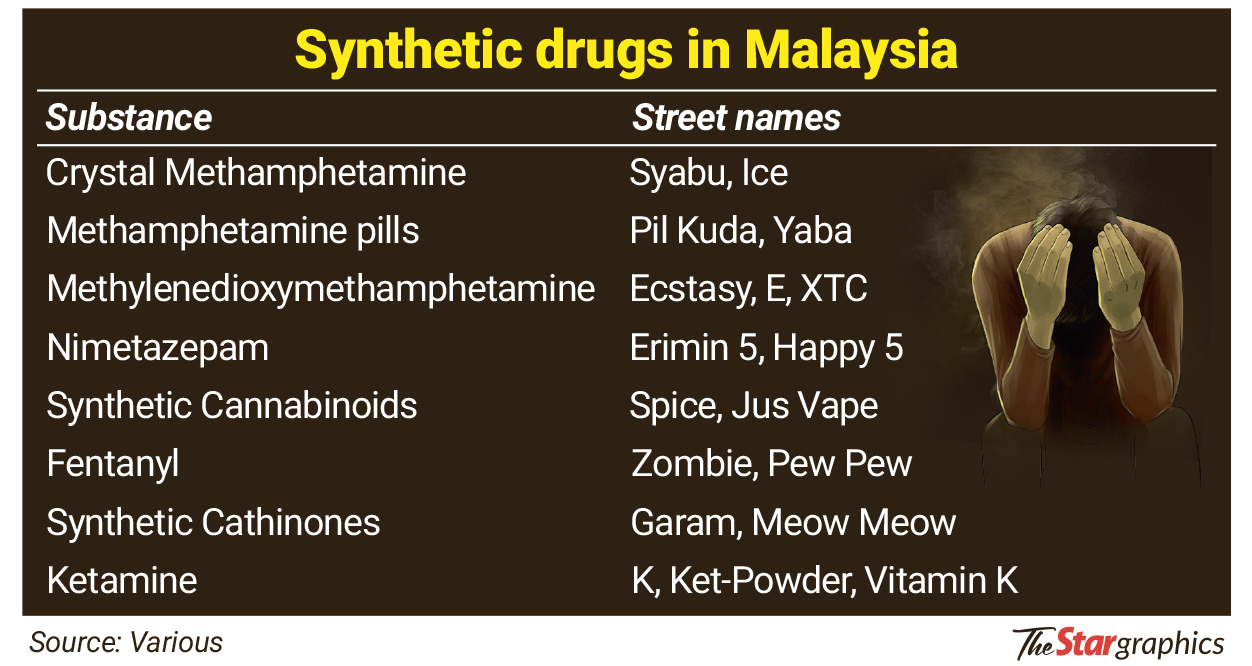
“Between 73% and 83% of drug addiction cases nationwide now involve synthetic drugs, particularly amphetamine-type stimulants such as syabu, pil kuda and ecstasy,” he said.
Dual diagnosis occurs when an individual suffers from drug addiction and a mental health disorder simultaneously.

Such individuals are at risk of chronic depression, hallucinations, psychosis and emotional instability, with some facing a greater risk of self-harm and suicide.
On public safety, Ruslin said synthetic drugs could trigger paranoia, hallucinations and hyperactivity, contributing to violent incidents, domestic abuse, fatal road accidents and other crimes.
He cautioned that the situation is made even more acute as AADK’s rehabilitation centres, known as Pusat Pemulihan Penagihan Narkotik (Puspen), are not designed to function as psychiatric facilities.
“There are currently no resident psychiatrists or clinical psychologists at Puspen.
“The medical needs of clients (inmates) are handled by part-time medical officers, assistant medical officers, nurses and healthcare assistants,” he said.
The trend could also increase the risk of staff burnout and relapse among inmates who do not receive appropriate mental health intervention.
“If mental health intervention is not properly strengthened, the entire drug rehabilitation process can become unstable and the risk of relapse will increase,” he added.
To address the issue, he said AADK would strengthen its cooperation with the Health Ministry to ensure clinical and psychiatric treatment is integrated with drug rehabilitation.
Other proposed measures, he said, included stationing clinical psychologists at the zonal level, regular visits by psychiatrists to rehabilitation centres, specialised training for AADK personnel and upgrading monitoring facilities for inmates facing psychiatric crises.
Ruslin called for stronger action to curb the spread of vape liquids mixed with synthetic drugs, including tighter licensing and monitoring of manufacturers and sellers.
He said only registered and laboratory-tested vape liquids should be allowed to be sold, while enforcement agencies and online platforms should take stronger action against the sale of prohibited products through social media and e-commerce sites.
This includes improved drug screening in schools and training for counsellors in schools.
“Intervention must begin at the school level because young people are increasingly becoming targets.
“We also propose improved drug screening methods in schools and training for counsellors to identify early signs of substance-induced psychosis among students,” he said.