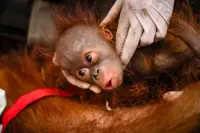
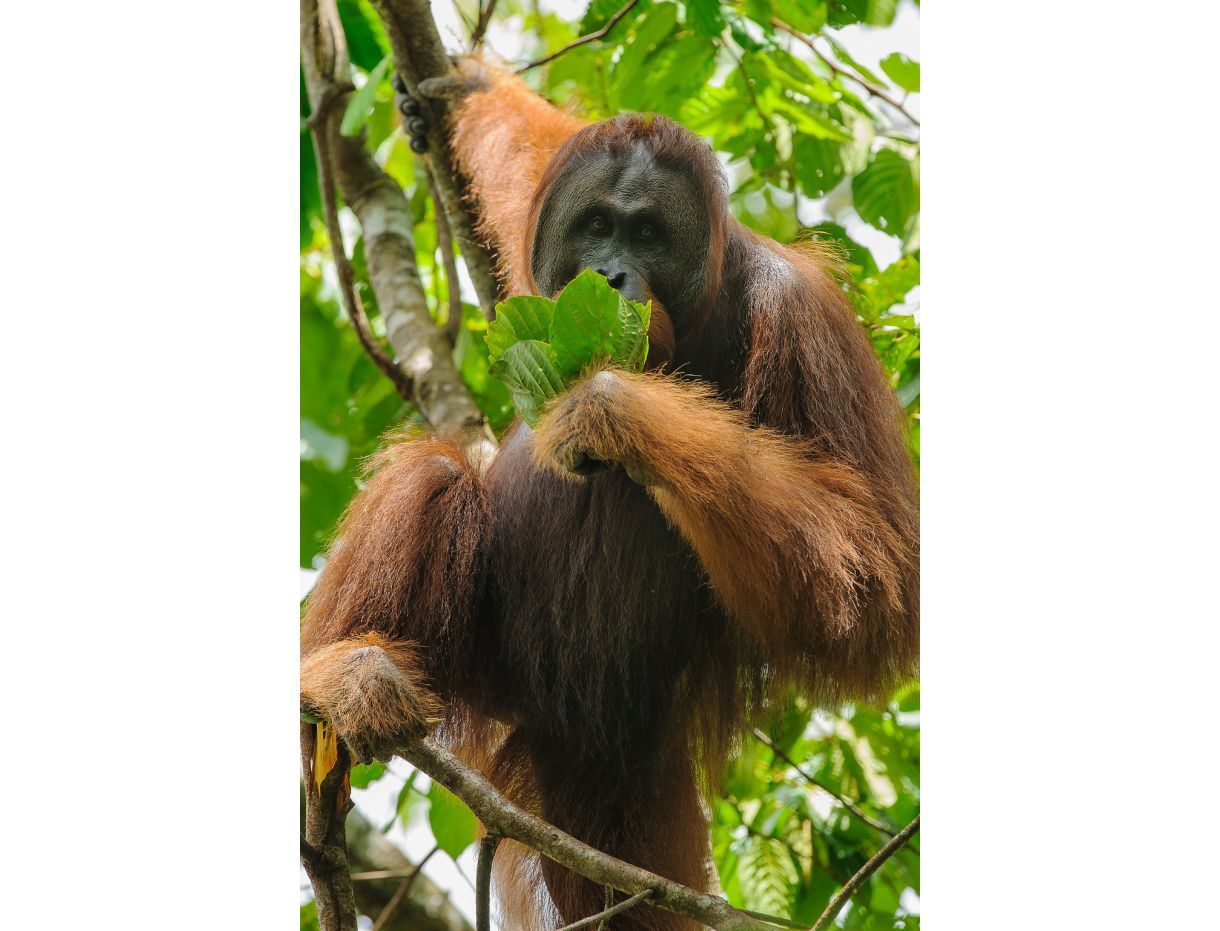
PETALING JAYA: Conservation efforts in Ulu Sungai Menyang Special Conservation Area (USM) are showing encouraging results, with the estimated orangutan population rising to 167 apes, up from 115 about a decade ago.
The increase, recorded in a survey conducted by WWF-Malaysia between 2024 and 2025, highlights the success of efforts to conserve the habitat, which is adjacent to Batang Ai National Park.
However, conservationists say the gains could face a new test as Sarawak expands rural connectivity, with a proposed road within USM raising the need for wildlife-sensitive infrastructure planning.
WWF-Malaysia Head of Conservation for Sarawak Cynthia Chin said the road would provide important connectivity for rural communities to basic services such as healthcare and education.
However, she said, being adjacent to Batang Ai National Park, USM is also valuable orangutan habitat that is not totally protected and subject to multiple land uses.
“As Sarawak continues to improve connectivity for rural communities and support economic growth, it is important that infrastructure planning also considers the needs of wildlife and the forests they depend on,” she said in a joint media statement with Sri Aman Development Agency (SADA) and Ulu Ai Conservancy (UAC) in conjunction with International Orangutan Day on Aug 19.
Chin said green infrastructure measures could help minimise the impact of roads on wildlife habitats.
She said such measures could reduce habitat fragmentation, wildlife mortality from roadkill, erosion, slope instability and sedimentation.
“Conservation and development do not have to be competing priorities. Through better planning, design and implementation, roads can be developed in ways that meet connectivity and economic objectives while minimising environmental risks,” she said.
Sarawak is estimated to have about 2,000 Bornean orangutans of the Pongo pygmaeus pygmaeus subspecies, including around 350 in Batang Ai National Park.
SADA chairman Datuk Seri Hajah Rohani Abdul Karim said the orangutan was an iconic species for Sarawak and an attraction for tourists visiting the Sri Aman Division.
She said SADA was committed to working with government agencies, conservation groups and other stakeholders to ensure development in USM and the wider Sri Aman Division remained sustainable and aligned with the state's conservation goals.
According to Borneo Adventure founder Philip Yong, about 2,000 people visit the Batang Ai area annually, contributing around RM1mil to the local economy through tourism.
Yong, who is also the founder of UAC, said protecting orangutans also meant protecting the forests and landscapes that supported local communities.
Borneo Adventure, UAC and WWF-Malaysia are working with Ulu Ai Kanan communities to promote sustainable use of the landscape, including strengthening orangutan conservation, improving livelihoods and enabling indigenous communities to co-manage their land.