PETALING JAYA: Malaysia is not faced with a fertiliser shortage but prices and supply can be affected with renewed tensions in the Middle East and changes in China’s export policy, says the association involved.
Fertiliser Industry Association of Malaysia (FIAM) vice-president Teo Tee Seng said as of now, some fertiliser prices had fallen with others stabilising.
“There are also some showing a tendency to increase in the coming months. But there is no need to panic as there is no shortage at the moment. Nevertheless, we have to monitor the situation,” he said when contacted.
Teo said the Middle East situation could also push up freight and transportation costs, while changes to China’s fertiliser export policy could affect global supply and prices.
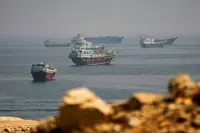
He said the latest situation was less tense than in March, April and May when shipping disruptions through the Strait of Hormuz coincided with China’s restrictions on fertiliser exports.
China is also an alternative source mainly for urea, while fertiliser supplies from Norway and Germany include compound fertilisers and other products.
“A few months ago, China had completely restricted exports. Now, exports are allowed although controlled.”
Teo said Malaysia was expected to have sufficient fertiliser supplies until the year-end, but the industry would monitor developments on China’s fertiliser-use season from October to December.
“If the conflict worsens and China decides it needs to prioritise its domestic market, it may reduce or completely stop exports. If that happens, prices could rise again.”
Teo said Malaysia also relied on imported raw materials such as phosphate and potash, while PETRONAS could potentially help strengthen domestic urea supplies if necessary.
Fertiliser retailer Tan Joo Ser said prices had risen by about 15% from March when the Middle East conflict started, before falling by about 5% in July.
He said imported compound fertiliser was mainly used for fruit, vegetable and flower cultivation, with the locally produced variety commonly used in oil palm plantations.
Tan said the main concern was whether the Middle East conflict would continue to affect shipping, oil prices, freight charges and insurance costs later in the year.
Major fertiliser importers were doing their best to ensure that supplies reached farmers on a monthly basis, he said, but added that the situation beyond October remained uncertain.
Meanwhile, vegetable farmers are concerned about higher production costs with uncertainty in fertiliser prices.
Federation of Vegetable Farmers Associations president Lim Ser Kwee said a 50kg bag of fertiliser now cost about RM200, which was 10% more.
He said farmers were also facing higher costs for pesticides, besides labour and other agricultural inputs.
On a brighter note, Lim said vegetable supplies were currently adequate due to favourable weather over the past two weeks, enabling farmers to reap good harvests with consumers enjoying reasonable prices.
Johor Fruits Farmers Association president Alvin Lo said farmers were reluctant to stockpile fertilisers due to cash flow issues.