PETALING JAYA: The monthly RM100 Sumbangan Asas Rahmah (SARA) has assisted many poor and retired persons financially, says a lecturer from Negri Sembilan.
"My retiree parents are among those who benefitted from the programme," said Samantha Lee, whose hometown is Mantin.
"They enjoyed the benefits. Hopefully more funds can be allocated to the programme and made applicable for spending on fresh ingredients," she said.
Lee also hopes that the government subsidy on book vouchers can be extended to all Malaysians, not just school students, to encourage wider reading habit.
In Kuala Lumpur, 70-year-old Lai Kwai Heng never stopped pushing forward despite battling severe knee arthritis and climbing stairs in pain.
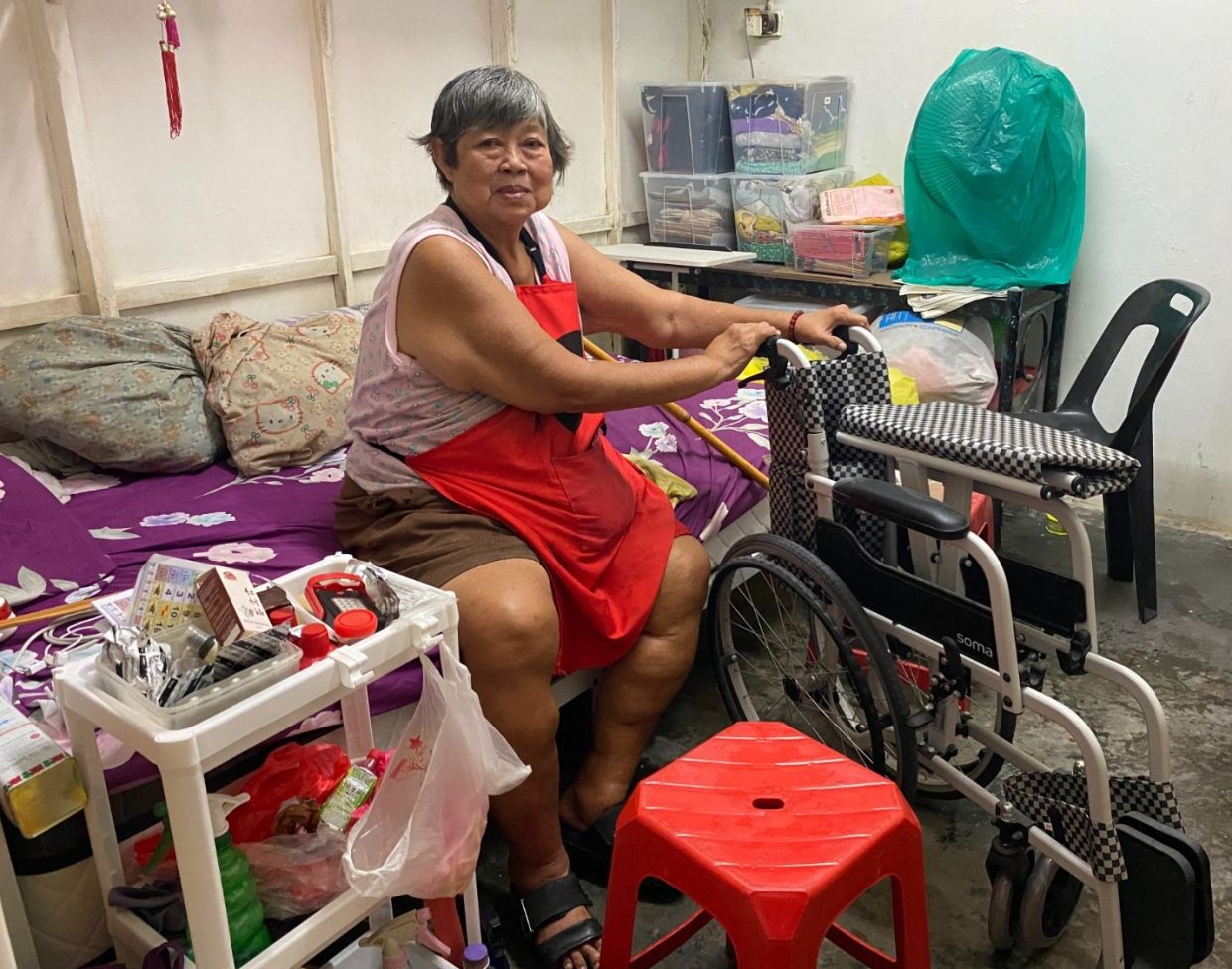
Day after day, she lovingly prepares ingredients for her noodle business, even when selling just 15 bowls a day barely covers her basic needs and RM250 monthly rent for a stall in Pudu.
Her unyielding spirit finally found a lifeline through government support such as Sumbangan Tunai Rahmah (STR), eKasih and the RM600 monthly Social Welfare Department (JKM) aid.
"Previously, it was tough living off the earnings from my stall because it is never enough.
"Now, with various monetary aid, life is much easier," she said.
Lai is an example of an individual in hardcore poverty whose life has improved through government assistance.
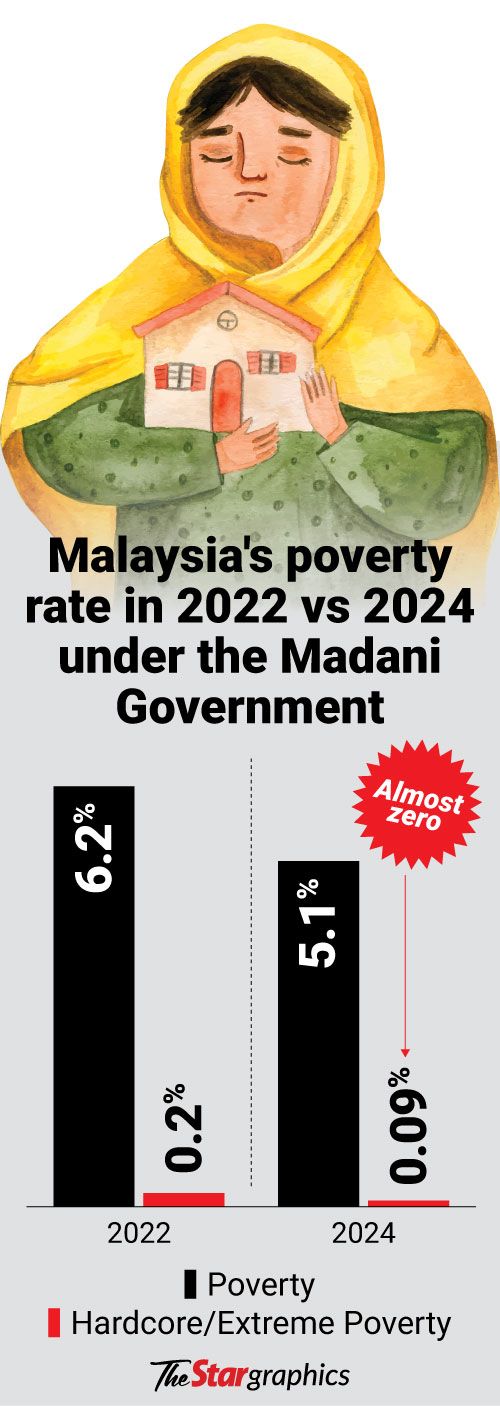
Nationwide, the poverty rate has lowered from 6.2% in 2022 to 5.1% in 2024 and the hardcore poverty rate dropped to near zero at 0.09% in 2024, down from 0.2% in 2022.
Hardcore poverty is measured by the Food Poverty Line Income, set at RM1,236 per month as of 2024.
Households earning below this threshold are classified as living in extreme poverty because they fall short of meeting basic nutritional needs.
Yayasan Sejahtera chairman Prof Sulochana Nair said the country has made encouraging progress in addressing poverty and hardcore poverty.
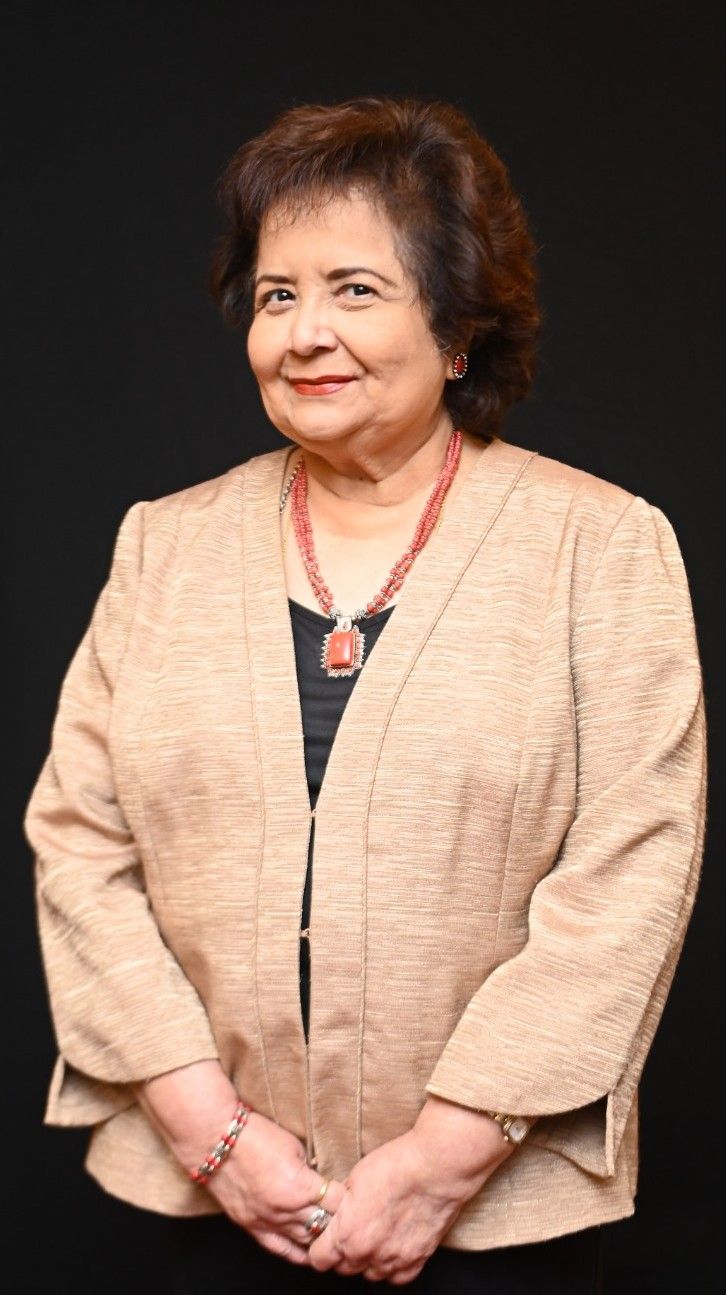
"Since 2024, initiatives such as the SARA programme, Budi Madani, targeted assistance, subsidy rationalisation and the expansion of Technical and Vocational Education and Training (TVET) have helped reduce immediate financial pressures while encouraging communities to build longer-term economic resilience.
"From our perspective as an NGO working directly with communities, we believe Malaysia is moving in the right direction under the 12th Malaysia Plan (RMK12) in addressing poverty and strengthening support for vulnerable groups.
"The focus has gradually shifted beyond providing assistance, towards building household resilience through income improvement, skills development and greater economic participation.
"RMK12 set clear targets, including reducing absolute poverty to 5.6% and moving towards zero hardcore poverty," she said.
Prof Sulochana said government efforts became more effective when combined with collaboration from other sectors.
"Poverty eradication requires a shared effort involving government agencies and other sectors.
"We have also observed a positive shift among corporate partners and social impact funders who are moving beyond one-off contributions towards longer-term community investment focusing on livelihood development, entrepreneurship, digital inclusion, skills development and market opportunities.
"This approach aligns with Environmental, Social and Governance (ESG) commitments and Malaysia's broader socio-economic development goals," she said.
Established on Aug 7, 2009, Yayasan Sejahtera is a non-governmental organisation (NGO) working on poverty eradication and community development for poor and low-income households in Malaysia.
"Yayasan Sejahtera has been working with vulnerable communities since 2009 and over the years, our community development initiatives have expanded to other states.
"As of April 2026, 18,799 families have benefitted from our programmes," she said.
Meanwhile, Taylor's University School of Management and Marketing and Eradicating Poverty Impact Lab deputy director Associate Professor Dr Chong Wei Ying said that while absolute poverty declined, the nature of poverty in Malaysia was becoming complex and multidimensional.

"Households remain economically vulnerable to sudden financial shocks such as job loss or health emergencies.
"While targeted government cash transfers have helped, poverty indicators must be regularly updated to ensure aid reaches those in need.
"Ultimately, lasting poverty eradication requires moving beyond direct financial assistance towards building resilience, skills and sustainable income opportunities that empower families to build their own path forward," she said
Chong called for government collaboration with universities, communities, social enterprises and industries to create targeted, community-based solutions for urban poverty.
"Tackling urban poverty requires an integrated approach that addresses immediate needs while also enabling individuals and families to build long-term economic resilience," she said.