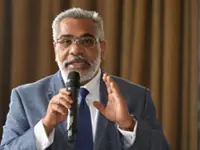
PETALING JAYA: Clear legal safeguards must be provided to ensure any proposed repatriation of Rohingya refugees to Myanmar is voluntary, safe and dignified, says the National Human Rights Society (Hakam).
Its president Datuk Seri M. Ramachelvam said the recent detention of more than 100 Rohingya refugees after they travelled from Penang to Kuala Lumpur seeking assistance from the United Nations High Commissioner for Refugees (UNHCR) raised serious concerns over refugee protection in Malaysia.
He said any proposed repatriation must comply with the principle of non-refoulement, which prohibits the return of individuals to countries where they face a real risk of persecution, torture or other serious violations of their fundamental rights.
In a statement on Friday (July 31), Hakam said the principle was especially significant for the Rohingya community, whose displacement from Myanmar was linked to long-standing persecution, discrimination, statelessness and denial of basic rights.
"Malaysia is not a party to the 1951 Convention relating to the Status of Refugees, but this should not be understood as permitting the return of individuals to situations where they face a real risk of serious harm," they said.
Hakam stressed that any return must be voluntary, informed, safe and dignified, with each individual's protection needs assessed and access provided to appropriate legal and humanitarian assistance.
The group warned that people who have been rendered homeless, detained or deprived of basic means of survival might not be in a position to make a genuinely free decision to return.
Hakam also highlighted the socio-economic challenges faced by Rohingya refugees in Malaysia, who currently lack a formal pathway to employment and are often pushed into informal work, increasing their vulnerability to exploitation.
They urged the government to establish a regulated employment framework for refugees through cooperation with government agencies, employers, UNHCR and civil society groups.
Such a system could include registration, verification, skills matching and employment opportunities in sectors facing labour shortages, while ensuring protection of wages, labour rights and workplace safety.
"Economic hardship should not become a means of pressuring refugees into returning to a country where they face persecution or serious harm.
"The government should clarify the legal basis, procedures and safeguards governing any proposed repatriation," they said.