
PETALING JAYA: For 30-year-old Cheras resident Muhammad Daniel Ananthes Abdullah, a father of two, the Sumbangan Asas Rahmah (Sara) and Sumbangan Tunai Rahmah (STR) assistance have made a tangible difference to his family's monthly budget.
“Before receiving it, by the end of the month we sometimes had to cut back on groceries or delay buying things we really needed,” he said.
He added that grocery credits under the scheme now cover essential food items, freeing up his income for utility bills and medicine, as his wife is a stay-at-home parent.
“Having a guaranteed amount every month for essential groceries gives us peace of mind because we know that, no matter how tight our budget is, we will still have food and basic necessities at home,” he said, adding that he hopes future allocations will keep pace with rising grocery prices.
Muhammad Daniel is one of nearly nine million Malaysians nationwide benefitting from the government's initiatives this year.
The federal government is disbursing a record RM15bil in cash assistance in 2026, marking the largest allocation in the nation's history.
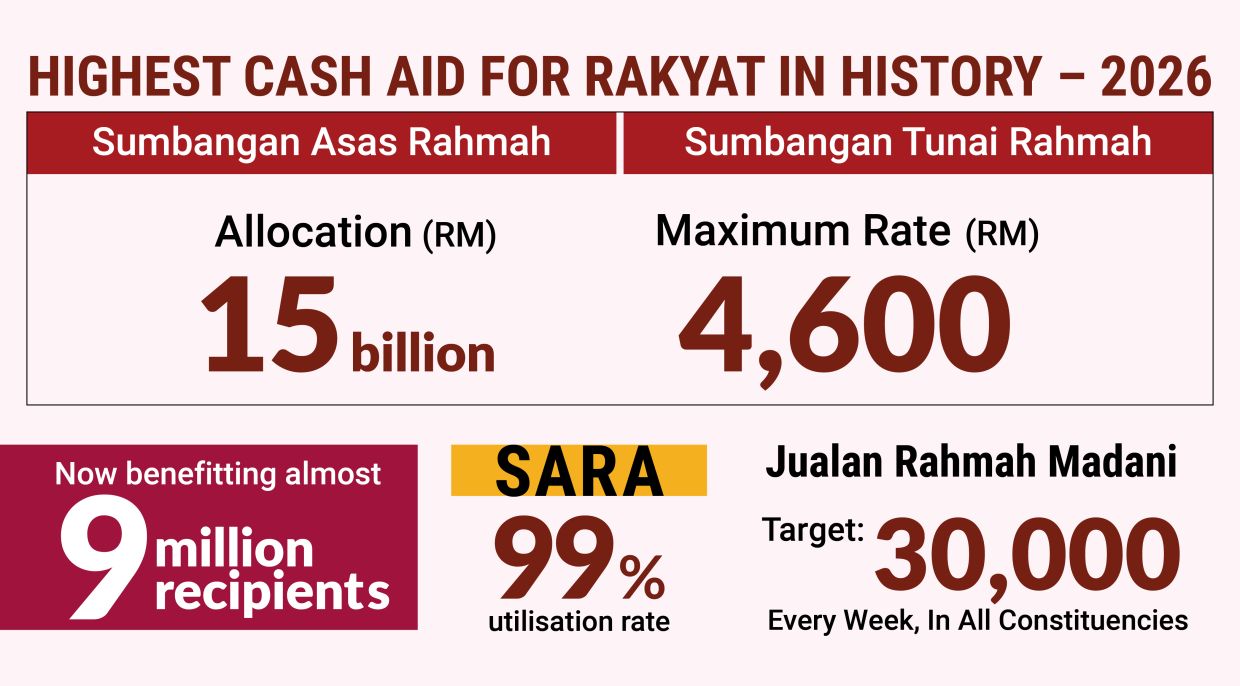
The initiatives, comprising Sara and STR, allow eligible households to receive up to RM4,600 – more than triple the RM1,200 ceiling under Bantuan Rakyat 1Malaysia in 2018, and the RM2,500 cap under Bantuan Keluarga Malaysia in 2022.
Sara is disbursed through a cashless, MyKad-based system that lets recipients pay directly for essential groceries at participating retailers. Since it was introduced in 2025, the facility has recorded a 99% utilisation rate.
Assistance has also risen steadily across all communities.
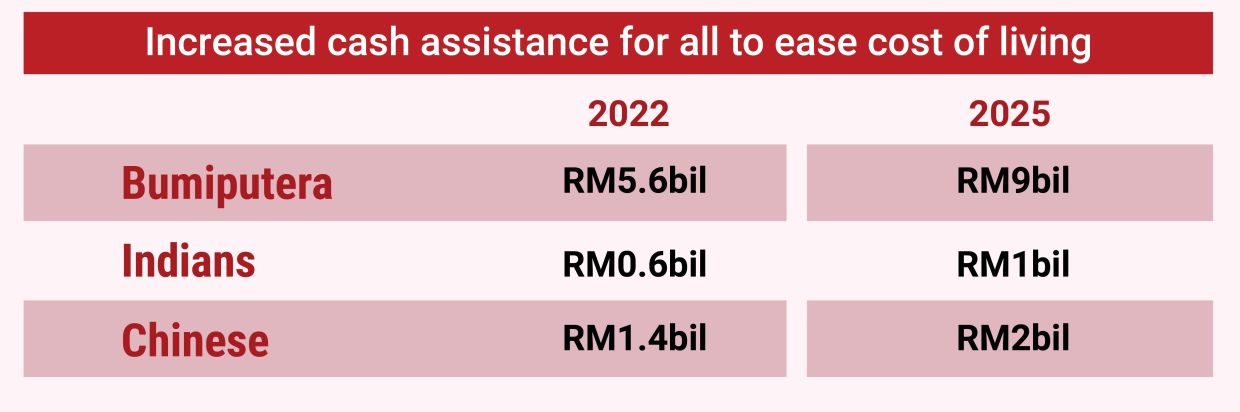
Cash aid for bumiputra households increased from RM5.6bil in 2022 to RM9bil in 2025, while support for Indian households rose from RM0.6bil to RM1bil, and for Chinese households from RM1.4bil to RM2bil over the same period.
The wider umbrella also includes the Jualan Rahmah Madani programme, which offers discounted essential goods through weekly sales nationwide, with a target of 30,000 sales points across the country this year.
Federation of Malaysian Consumers Associations (Fomca) chief executive officer Saravanan Thambirajah said Sara's focus on essential household needs has made it an important form of targeted assistance amid rising living costs.
“At a time when many families continue to face higher living costs, this type of dedicated support helps ensure that lower-income households can continue purchasing basic items without having to sacrifice other essential expenses,” he said, adding that more households are now buying groceries in smaller quantities and shopping more frequently as they manage tighter budgets.
“While it does not solve the broader issue of rising prices, it provides meaningful short-term relief and acts as an important social safety net for vulnerable groups.”
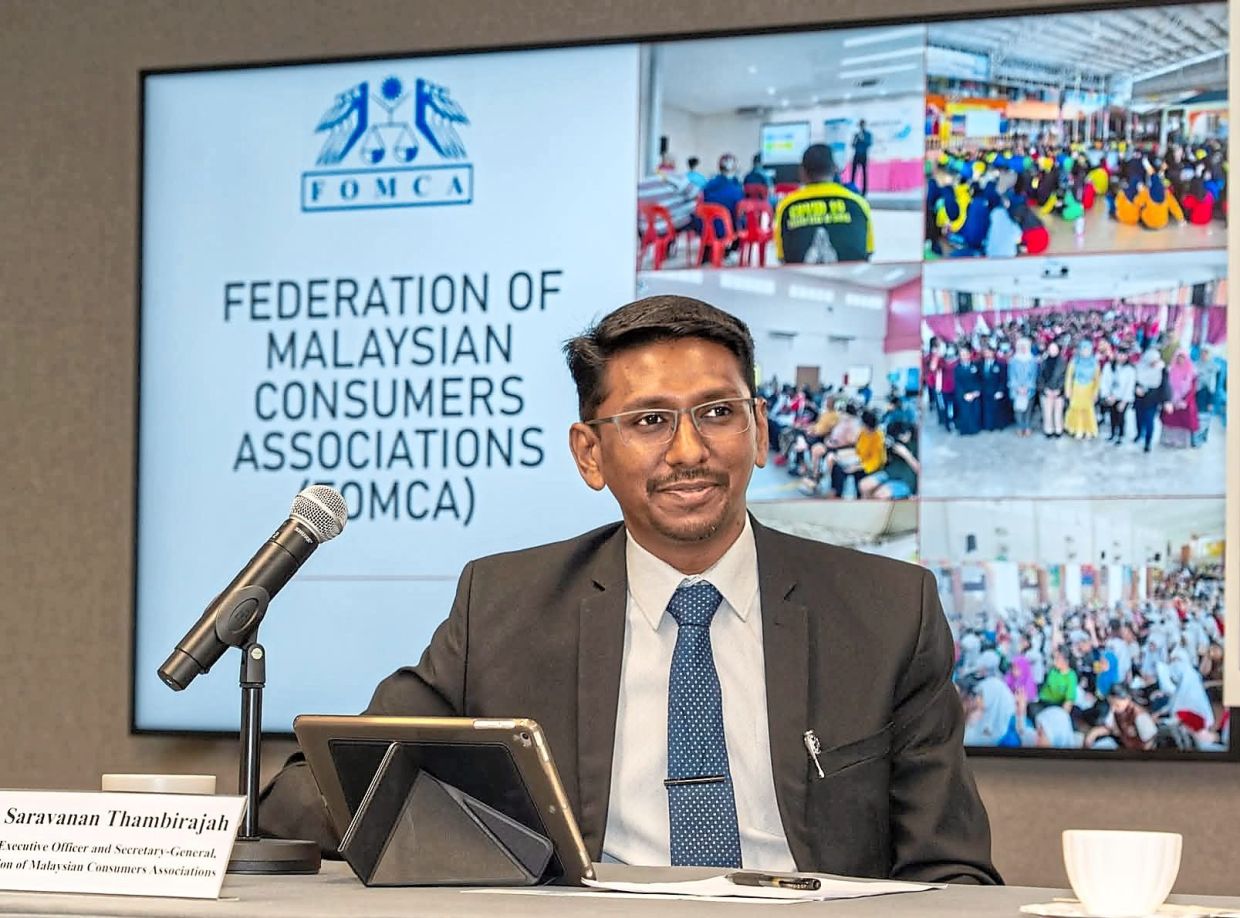
Saravanan said the high utilisation rate reflects strong public confidence in the MyKad system.
“Compared with traditional cash disbursement, the system is more efficient, reduces leakages, improves accountability and ensures that the aid is spent on essential goods,” he said.
“It also provides greater transparency in the use of public funds, and makes it easier for families to access assistance when they need it.”
He called for continued expansion of the retailer network in rural and remote areas, and additional support for senior citizens and persons with disabilities to access the programme.
With cost-of-living pressures continuing to weigh on households, the Sara and STR initiatives highlight the government’s commitment to ensuring vulnerable and middle-income families are not left behind, while offering a scalable model for targeted, transparent aid delivery in the years ahead.