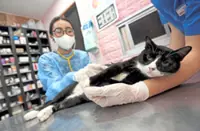
PUTRAJAYA: The Department of Veterinary Services (DVS) is mulling a guideline that will serve as a “benchmark” for veterinary treatment fees, says its director-general Datuk Dr Mohd Noor Hisham Mohd Harun.
Acknowledging complaints over the high cost of treatment, Dr Mohd Noor Hisham said currently there are no price controls imposed on the fees that veterinarians can charge.
“We do not control veterinary treatment fees. Meaning, we don’t impose price controls.
“But we’re discussing with the Malaysian Small Animal Veterinary Association and animal practitioners about introducing a guideline (which could serve as) a benchmark.
“At the moment, there isn’t one.
“We don’t have a ceiling price,” he said when met at the sidelines of the Malaysian Animal Welfare Regulatory Symposium at the Global Animal Production and Veterinary Industry Summit (Gavis) 2026 yesterday.
He said its implementation will depend on the outcome of discussions with stakeholders, adding that these engagements were necessary to ensure that the price set is reasonable.
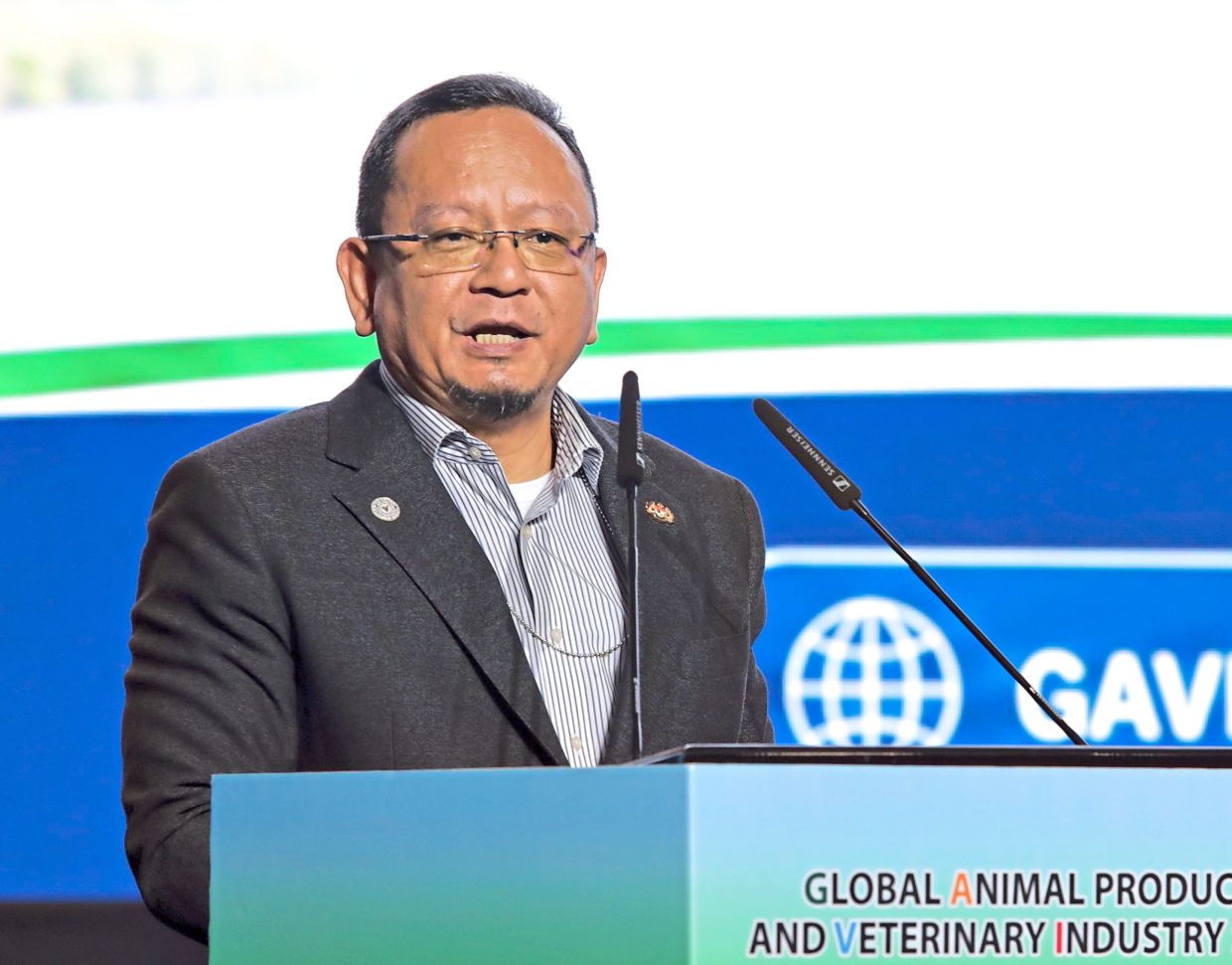
“We want engagement because these are the entrepreneurs who run clinics,” he said, adding that discussions are now underway.
“Actually, it’s not only in our country that pet clinic fees are expensive. I even spoke to people in Australia, and they said it’s the same,” he said.
He noted that animal pet expenses costs twice as much as human treatment, so there will be a guideline on this but it is not enforceable.
Responding to this, veterinarians said while having price guidelines is acceptable, it should not be legally binding.
Dr Aisyah Fadir said treating pets also entails running diagnostic tests and performing surgeries, with clinics having to bear the cost of purchasing their own equipment without any government subsidies.
“Private clinics are essentially a business, which are self-funded by doctors themselves.
“So, I think it’s unfair for the government to enforce the guidelines,” she said.
She added that the costs of medical components have also risen due to the geopolitical tensions, which have resulted in high treatment costs.
She said lab tests can be more costly if the specimen is processed in-house rather than the cost of sending them to third-party labs.
Dr Aida Mohd Hashim explained clinics could take between one to three years to see a return on investment, adding that diagnostic machines alone can cost over RM50,000 per unit.
“I agree with the government’s plan to regulate prices, because right now the struggle is real.
“It’s tough to re-educate clients as they assume we are taking their money when in fact we’re charging the proper rate,” she said when interviewed.
Dr Aida suggested that the government provide subsidies to vet clinics to alleviate cost pressures from clients.
Separately, Dr Noor Hisham also confirmed that the government is looking into registration fees for veterinary surgeons which has not been reviewed for over five decades.
“We haven’t confirmed the amount yet because at the moment, it’s very low,” he said.
“It’s far too low. It’s not because we’re trying to make a profit. It’s so that the Malaysian Veterinary Council (MVC) can sustain itself on its own in terms of finances,” he added.
“Our highest cost at the MVC is gazetting the list of registered veterinary surgeons. Annually, we have to publish the Gazette listing all veterinary surgeons registered with us.
“That cost is very expensive. Every year it’s more than RM200,000.
“If the fee is too low, we can’t afford to do that. The collections can’t cover the cost,” he added.
Currently, a fee of RM25 is charged for each annual practicing certificate (APC) application submitted by practising veterinary surgeons.
According to a public consultation document released by the Ministry of Agriculture and Food Security sighted by The Star, the Veterinary Surgeons (Forms and Fees) Regulations 1975 govern the fees for veterinary surgeon registration, APC applications and temporary practising permits.