GEORGE TOWN: Forget the idea of a museum that is simply a quiet walk through the past.
When the Penang State Museum and Art Gallery reopens on Thursday, visitors will experience digital and interactive elements, including artificial intelligence-powered features.
Unlike in the past when photography was restricted, the museum in Lebuh Farquhar now allows visitors to do that and share their experiences on social media.
Its director Haryany Mohamad said visitors can look forward to a more engaging and accessible experience that blends heritage preservation with modern technology.
“Today, visitors naturally want to document and share their experiences. We see this as a positive development that helps introduce the museum to a wider audience.
“When it closed in 2017, many of the technologies being introduced today did not yet exist,” she said.
The museum underwent RM18mil restoration works beginning in 2017, with the second phase involving interior restoration starting in 2024. The works were suspended during the Covid-19 pandemic from 2020 to 2023.
Among the key upgrades are cashless payment systems, self-service kiosks, improved visitor amenities and augmented reality experiences.
The museum has also brought out artefacts previously kept in storage and restored them for public display.
A new multi-purpose hall equipped with presentation facilities has been created for school groups, guided tours, talks and educational programmes, accommodating 30 to 40 people.
Haryany said previously, large groups had to gather in exhibition areas, causing congestion for other visitors.
“Now, tour briefings, lectures and educational activities can be conducted in a dedicated space without disrupting visitor flow,” she added.
She said persons with disabilities can now access the upper levels of the museum, unlike previously when access was limited only to the ground floor.
Another unique feature is an on-site archaeological excavation area within the museum compound, believed to be the only such exhibit located inside a museum building in Malaysia.
Haryany said the excavation site revealed remains linked to the original school structure that once stood on the grounds before parts of it were destroyed during World War II.
“The excavation allows visitors to see the original foundations and better understand the history of the site,” she said, adding that the excavation is being carried out in collaboration with Universiti Sains Malaysia’s Centre for Global Archaeological Research.
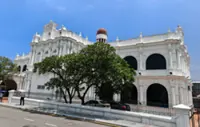
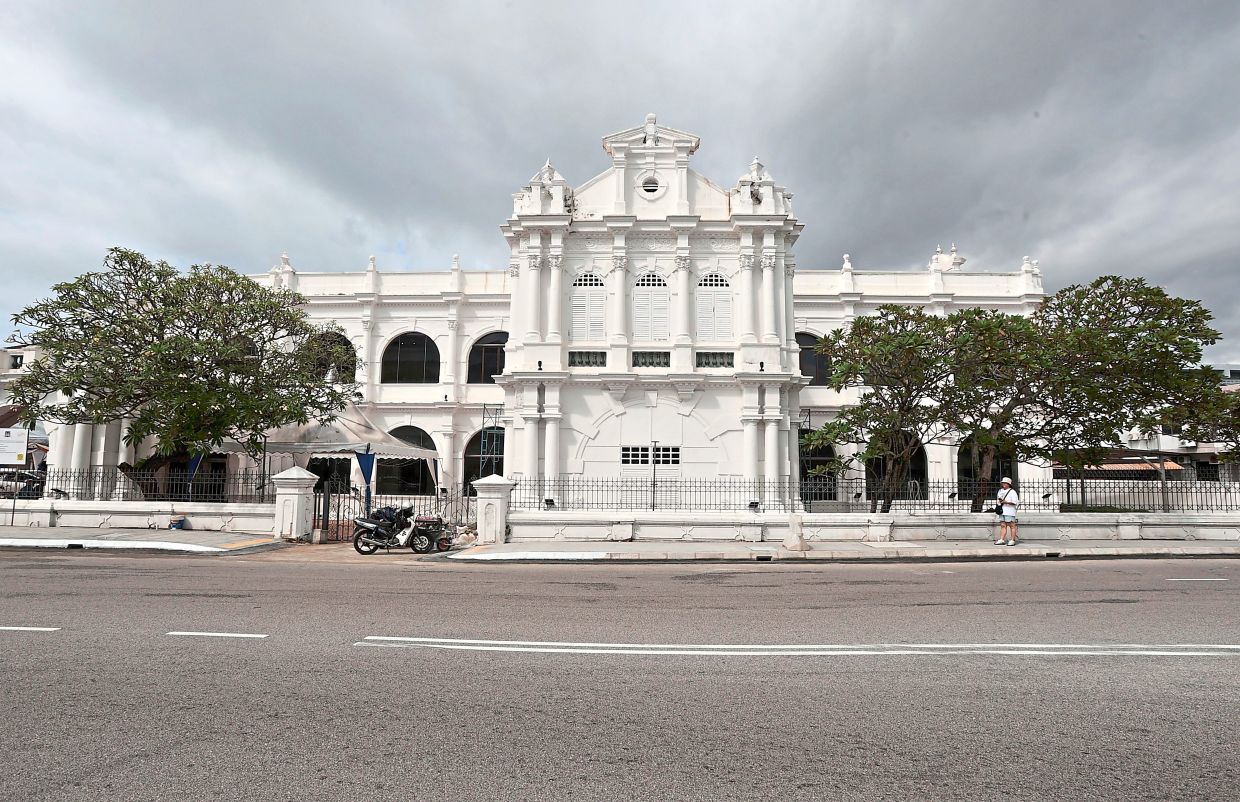
Haryany said the museum building was unique as it occupied a historic site with its own story, unlike many museums housed in newer purpose-built structures.
Constructed in two phases (1896 and 1906), the building initially housed Penang Free School until its relocation in 1927.
Hutchings School later occupied the premises until its old wing was destroyed during World War II.
In 1962, the Penang government proposed establishing a state museum.
Former Penang Free School pupil and then prime minister Tunku Abdul Rahman suggested converting the building for this purpose.
The Penang Museum officially opened in 1965.
The Yang di-Pertua Negeri Tun Ramli Ngah Talib is expected to attend the reopening ceremony at 8pm on Thursday.
Visitors can visit the museum from Friday onward.