NATIONAL sewerage company, Indah Water Konsortium (IWK) Sdn Bhd has collaborated with Langkawi island’s hotel operators in a joint effort towards sustainable fats, oil and grease (FOG) management and sewage wastewater management in this tourist destination.
In a joint statement of support, the collaboration between IWK and the Malaysian Association of Hotels (MAH) Kedah/Perlis Chapter focuses on environmental sustainability practices and FOG management guidelines, including strengthening strategic collaboration between IWK and industry players.
IWK chief operating officer Mohd Taufik Salleh said based on its records, community acceptance of regular septic tank emptying is still low, with a compliance rate of less than 15%.
"This situation is very worrying because septic tanks that are not emptied regularly are at risk of malfunctioning and overflowing sewage waste water.
“As a result, sewage waste water can flow into the drainage system, further polluting rivers and coastal waters," he said at the Environmental Sustainability Awareness Programme held on Langkawi.
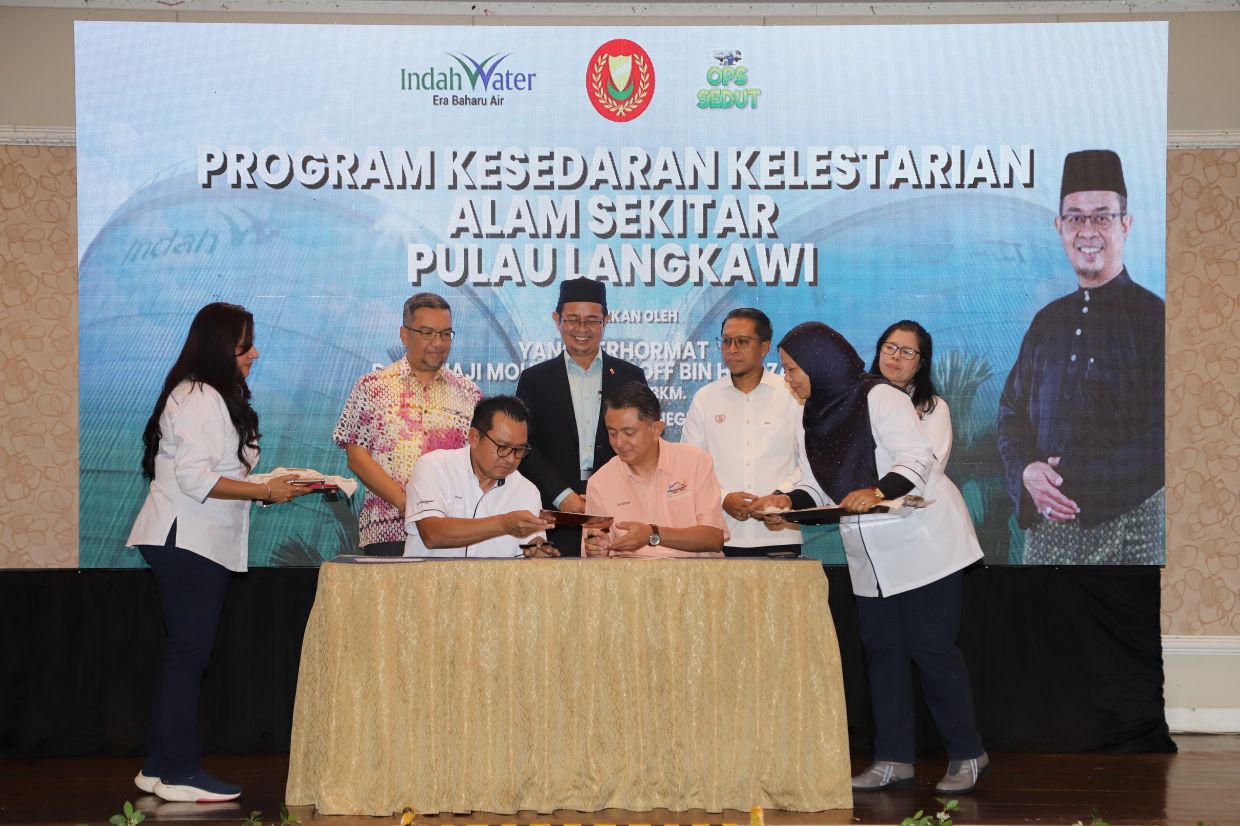
The programme, officiated by the Kedah Public Works, Natural Resources, Water Supply and Environment Committee chairman Datuk Mohamad Yusoff Zakaria, had approximately 100 participants including hotel operators and representatives from government agencies such as the Langkawi Development Authority (LADA), the Langkawi City Tourism Municipality Council (MPLBP) and the National Water Services Commission (SPAN).
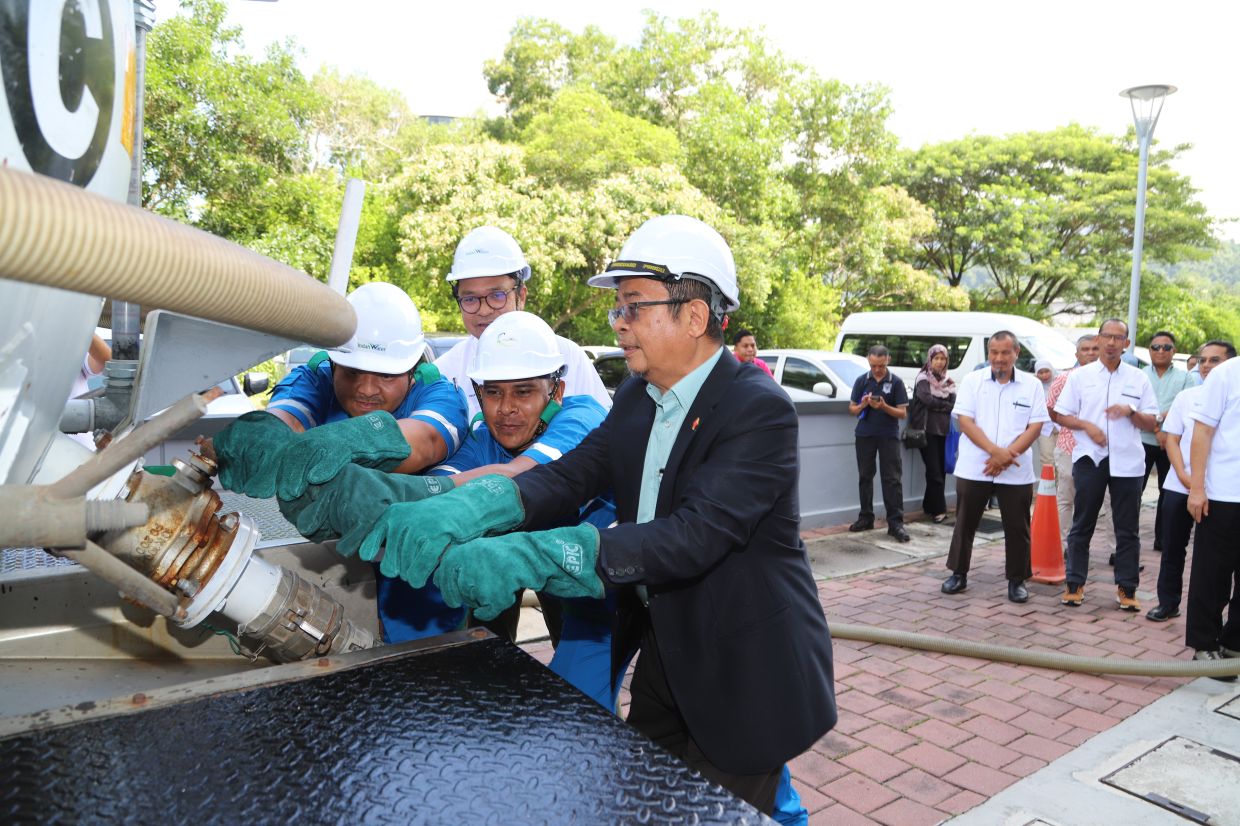
IWK and SPAN also launched Ops Helang at the event, an initiative to strengthen compliance with periodic septic tank emptying and raise awareness among the community and hotel operators about the importance of effective sewage wastewater management.
Ops Helang, which will take place from July 13 to 15, focuses on inspecting and monitoring compliance with the emptying of Individual Septic Tanks (IST) involving commercial and domestic premises throughout Langkawi island.
According to Mohd Taufik, IWK’s operations in Langkawi are supported by four regional sewage treatment plants, namely in Kuah, Pantai Tengah 1, Pantai Tengah 2 and Padang Matsirat, with an underground sewer pipe network of 85.5km.
In addition to the centralised sewage treatment system, IWK, which is the appointed licensee, also monitors and provides individual septic tank emptying services for local sewage systems throughout the island, including 3,852 IST users and 14,766 primitive tank users, namely Palong.
Ops Helang’s implementation is not only an enforcement and monitoring activity, but a joint effort to raise awareness and ensure that all parties understand their respective responsibilities in maintaining the sewerage system.
“Effective sewage management is key to ensuring that the island’s marine waters and ecosystem remain preserved for future generations.
“Cooperation from premises owners, hotel operators, communities and all stakeholders is essential to make this effort a success,” said Mohd Taufik.
This effort is also in line with the Kedah state and federal government’s commitment in strengthening Langkawi’s sewerage infrastructure, including the implementation of the Phase 4 Property Connection Project in Pantai Chenang and Pantai Tengah, the Pantai Tengah Sewage Treatment Plant involving 123 premises, which was completed in October 2024 at a cost of RM7.52mil under SPAN, as well as a pilot project to upgrade the primitive sewerage system in Pulau Tuba.