



PETALING JAYA: Teh tarik still holds its place as Malaysia’s favourite drink and a symbol of unity across race and culture, but changing consumer habits among Gen Z and Gen Alpha are rapidly transforming the tea industry.
Malaysia Tea Association (MyTA) deputy president Liew Choon Kong said while teh tarik remains dominant, younger consumers are increasingly gravitating towards premium teas, home brewing and trendy “new tea drink” (NTD) beverages.
He describes teh tarik as one of Malaysia’s most authentic tea cultures, transcending gender, race, religion and social background.
Citing the Statistics Department, he said about 80% of tea consumed locally consists of black tea with milk and sugar – or teh tarik – while Chinese tea and other tea varieties account for the remaining 20%.
Liew said teh tarik has evolved beyond roadside stalls and mamak shops, with the drink now served in restaurants, shopping malls and even five-star hotels.
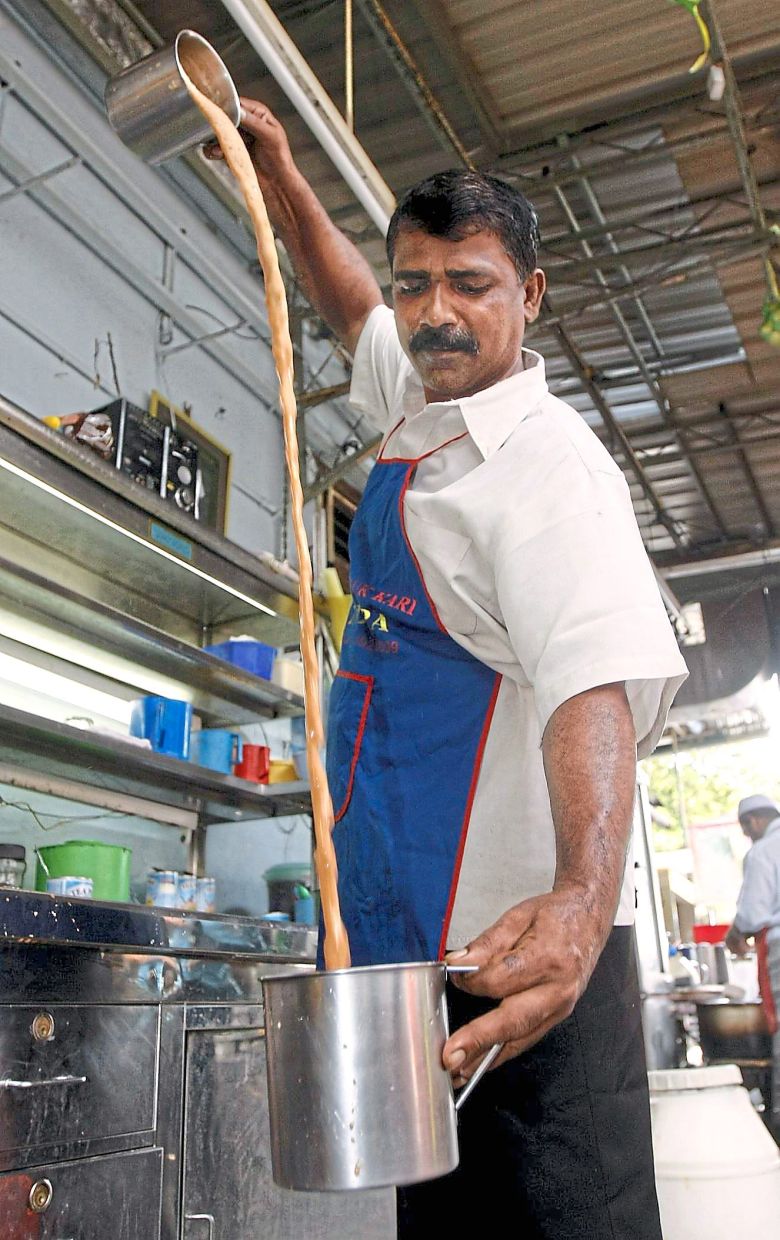
“The preparation of teh tarik has also evolved into a performing art, with tearistas preparing it rhythmically to music and even incorporating choreographed stunts,” he said.
However, consumer preferences has shifted since the Covid-19 pandemic, with more people embracing home tea brewing and premium loose-leaf teas, he said.
“Young consumers today demand transparency and traceability. They want to know exactly where and how their tea is grown,” he said.
Another major trend reshaping the market was the NTD segment where tea is blended with ingredients such as milk, fruits, herbs and spices, he said.
Liew said Malaysia produces about 3.2 million kilogrammes of black tea annually from its three remaining major tea estates – Boh Plantations and Bharat Tea Plantations in Cameron Highlands, as well as Sabah Tea near Mount Kinabalu.
In a statement, Boh Plantations said Malaysia may not be a major tea-producing nation globally, but the industry continues to play a role in the country’s agricultural heritage, domestic consumption and tourism economy.
Its three plantations produce about 2.8 million kilogrammes of tea annually, equivalent to around five million cups daily, with its estates in Cameron Highlands accounting for about 70% of Malaysia’s tea production.
However, Boh said tea producers are facing labour shortage, rising logistics, fertiliser and energy costs, as well as climate-related disruptions affecting crop consistency and yields.
As such, it has invested in regenerative agricultural practices, soil preservation, efficient land management and ecological stewardship.
The company said black tea and teh tarik-style blends remain the dominant tea categories in Malaysia, while premium teas, flavoured teas and herbal infusions are gaining popularity.
Among the fastest-growing segments are hot water soluble teas, green teas, matcha beverages, functional wellness teas and premium artisanal teas.
Boh said consumers are also shifting towards teas made with real fruit ingredients, natural botanicals and more complex flavour profiles instead of artificial syrups.
