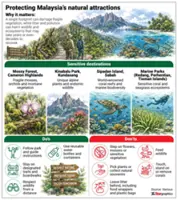
PETALING JAYA: From tourists harassing sea turtles to visitors leaving behind litter at scenic spots, questions have been reignited over whether Malaysia can continue expanding nature-based tourism without placing additional pressure on fragile ecosystems.
Sahabat Alam Malaysia president Meenakshi Raman said tourism growth and environmental conservation cannot go in tandem as the presence of tourism-related activities will invariably lead to further ecological degradation.
“We must ensure forests, islands, marine parks and other natural wonders do not become profit-making commodities.
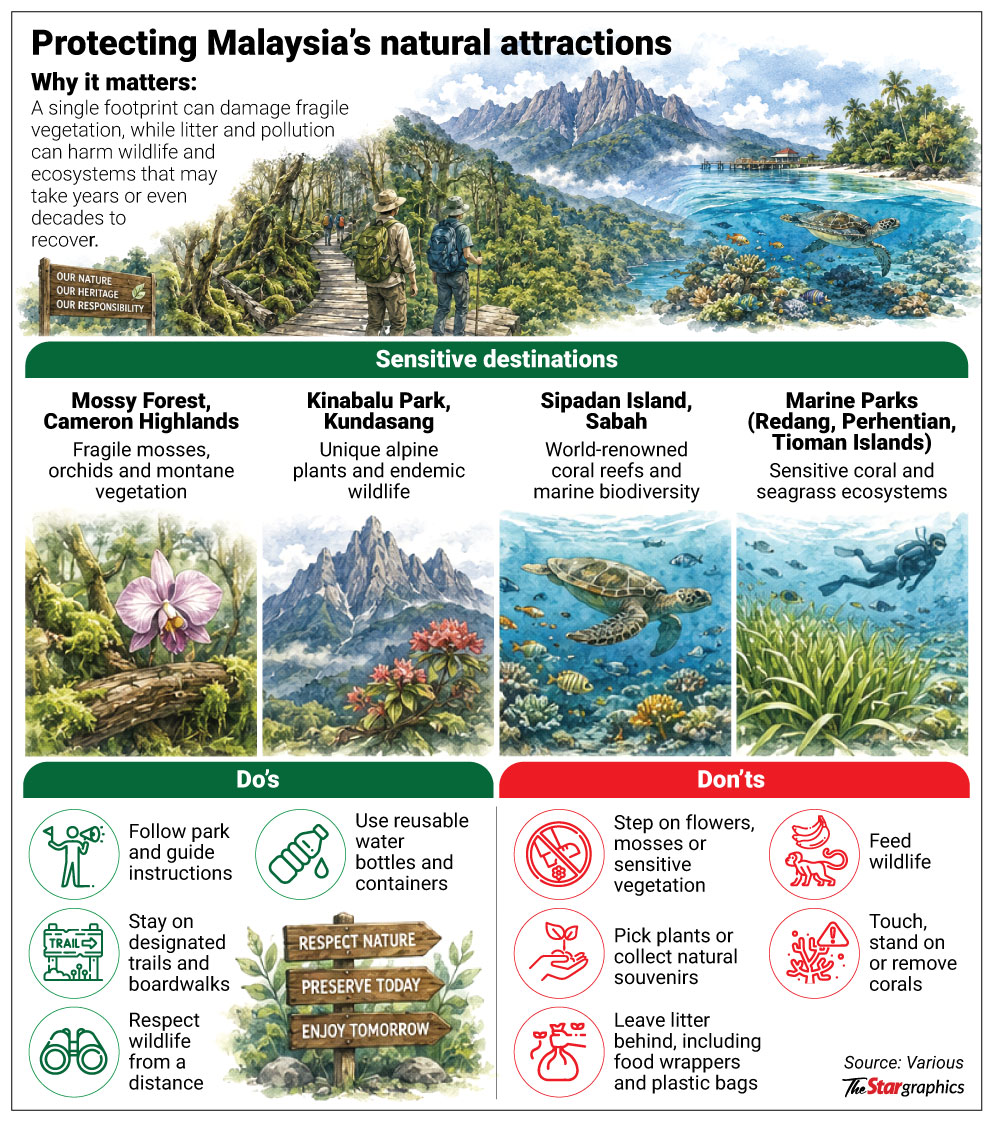
“In some places, solid waste, especially single-use plastic items such as food packings, packaging and water bottles are tainting the flora and fauna in those landscapes.
“Tourism activities must be restricted in certain environmentally sensitive areas (ESA),” she said.
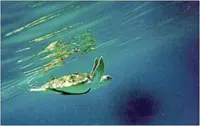
Among the incidents that drew widespread condemnation were seen in videos by the Tropical Research and Conservation Centre Borneo, which showed endangered green turtles being disturbed in the waters.
Malaysia’s coral reefs have also been the subject of public concern.
In 2016, reports emerged of tourists damaging coral formations in Semporna with images circulating online showing visitors standing on or coming into direct contact with the fragile marine ecosystem.
At island destinations such as Tioman and Redang, concerns have been raised over the effects of increasing tourist activities on coral reefs.
News reports have also highlighted how boat anchoring, heavy marine traffic and careless snorkelling can damage reef structures.
Incidents involving littering at popular mountain destinations have also sparked debate online.
One such case involved visitors leaving slips of paper bearing their names at viewpoints on Mount Kinabalu.
Meenakshi said beyond visitor limit caps, permit systems or carrying-capacity controls – which in some cases are not enforced stringently – certain zones such as ESA ought to be designated as no-access conservation areas with complete prohibition on tourist infrastructures and in very sensitive areas, restrictions of tourists.
“If an ecosystem is under carrying-capacity stress, raising entrance fees while maintaining or growing visitor volumes does not resolve the problem but merely monetises it,” she said.