PETALING JAYA: Survivors of the earthquake off Mindanao in the Philippines could face a possible second wave of health challenges in the coming days, including waterborne and airborne diseases, says Mercy Malaysia.
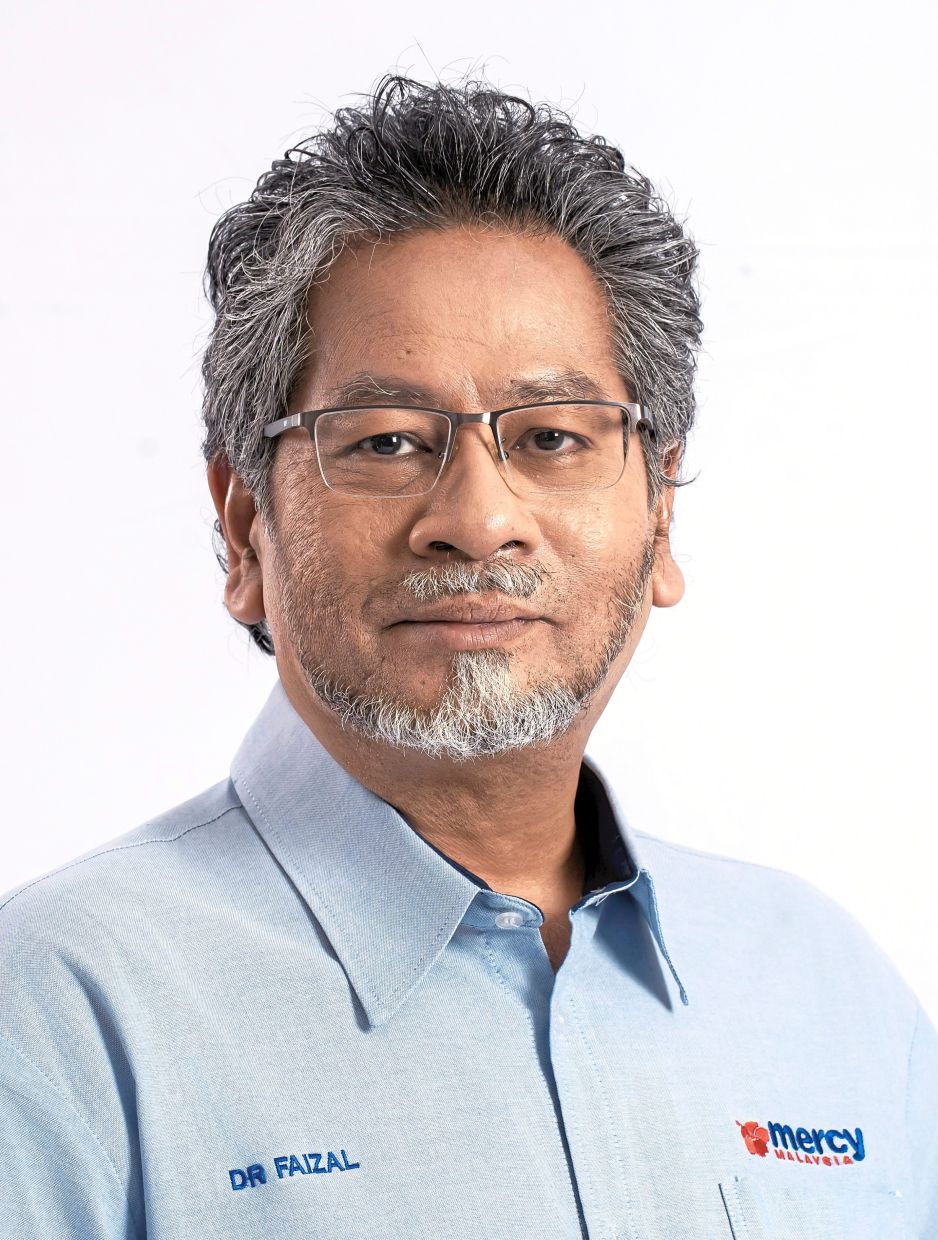
While the risk of disease outbreaks remains under assessment, its president Datuk Dr Ahmad Faizal Mohd Perdaus (pic) said such health threats are common following major natural disasters, particularly when communities are displaced and access to healthcare services is disrupted.
“In the days ahead, we also expect patients with injuries from the earthquake, as well as those with chronic diseases such as diabetes and hypertension, to run out of medication if their homes have been affected, their medicines have been lost, or healthcare facilities have been damaged.
“We will have to assess and monitor the situation as the days go by,” he said when contacted.
He added that early reports indicated some communities had been isolated, while healthcare facilities had sustained damage following the earthquake.
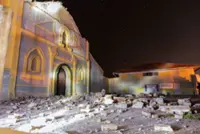
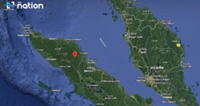
On Monday, a 7.8-magnitude earthquake struck Mindanao, the second-most populous island in the Philippines.
The strongest earthquake to hit the country in half a century killed at least 45 people, injured almost 500 people and displaced over 20,000 others, most of whom fled to emergency shelters, as of yesterday.
A total of 17 people remain missing, according to official records, but the Philippines Office of Civil Defense said several collapsed and heavily damaged buildings still need to be thoroughly inspected for possible survivors or casualties.
Meanwhile, Dr Ahmad Faizal said the humanitarian organisation had deployed a seven-member team from Malaysia to support its locally based personnel in the Philippines.
The team comprises medical personnel, water, sanitation and hygiene (WASH) specialists, humanitarian relief workers and needs assessment experts tasked with identifying urgent needs and directing aid accordingly.
Dr Ahmad Faizal said reports from local staff and partners indicated that the most pressing needs at present were clean water, access to healthcare for injured survivors and shelter for displaced communities.
The organisation is also assessing potential psychosocial support requirements among affected populations.
“The information we have from the ground at the moment is that thousands have been affected, but thankfully casualties, in terms of deaths, are relatively low,” he said.
He added that the team was currently assessing infrastructure, communications and access routes into affected areas, as damage to transport links could hamper relief efforts.
“There are areas which are still accessible. There are also areas which have been impacted in terms of infrastructure and access routes, either by land or by other means,” he said.