
A Sarawak village turns a tradition born of necessity into a sought-after delicacy.
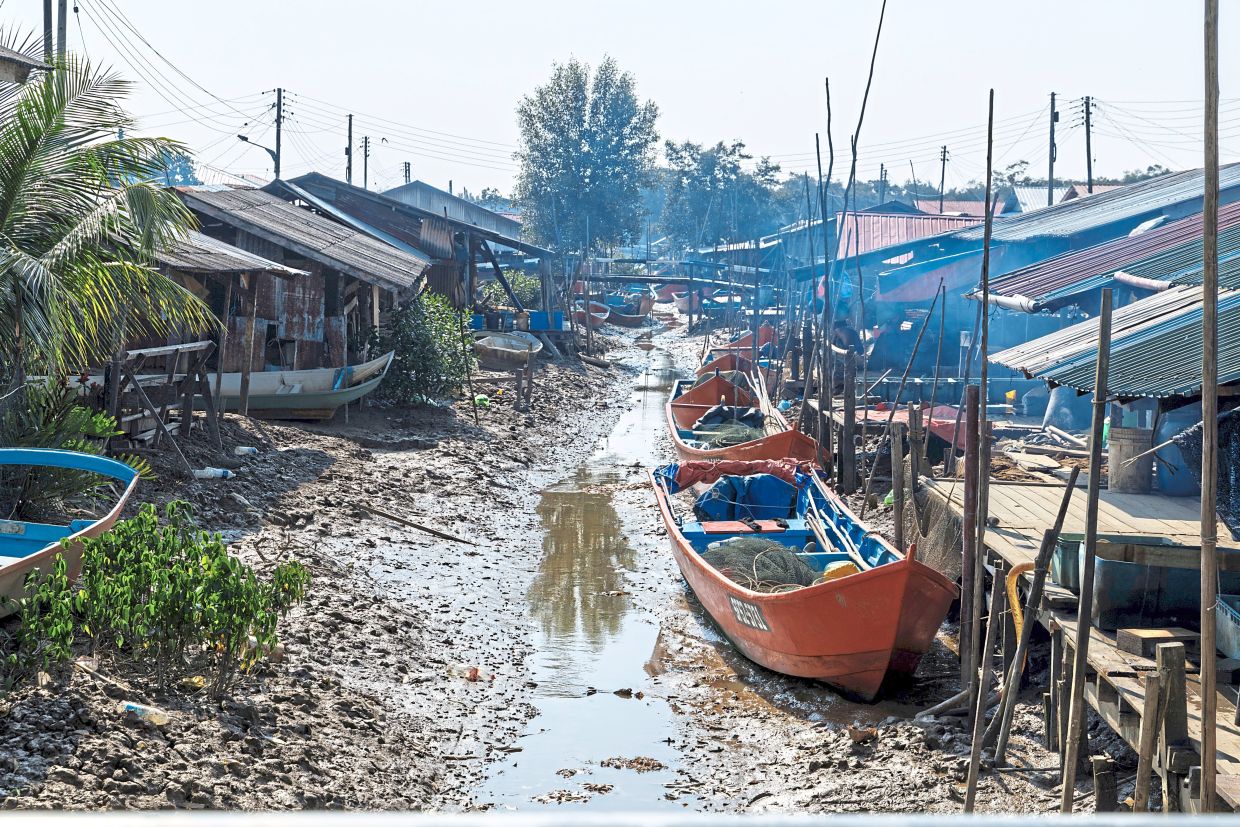
WISPS of smoke rise into the air above rows of fish arranged over wood fires at Kampung Penipah.
The fishing village on Pulau Bruit, off the coast of Daro in central Sarawak, is known for its smoked fish called ikan lumek salai.
The traditional delicacy is made from ikan lumek, commonly known as Bombay duck in English, caught in the surrounding waters of the South China Sea by local fishermen.
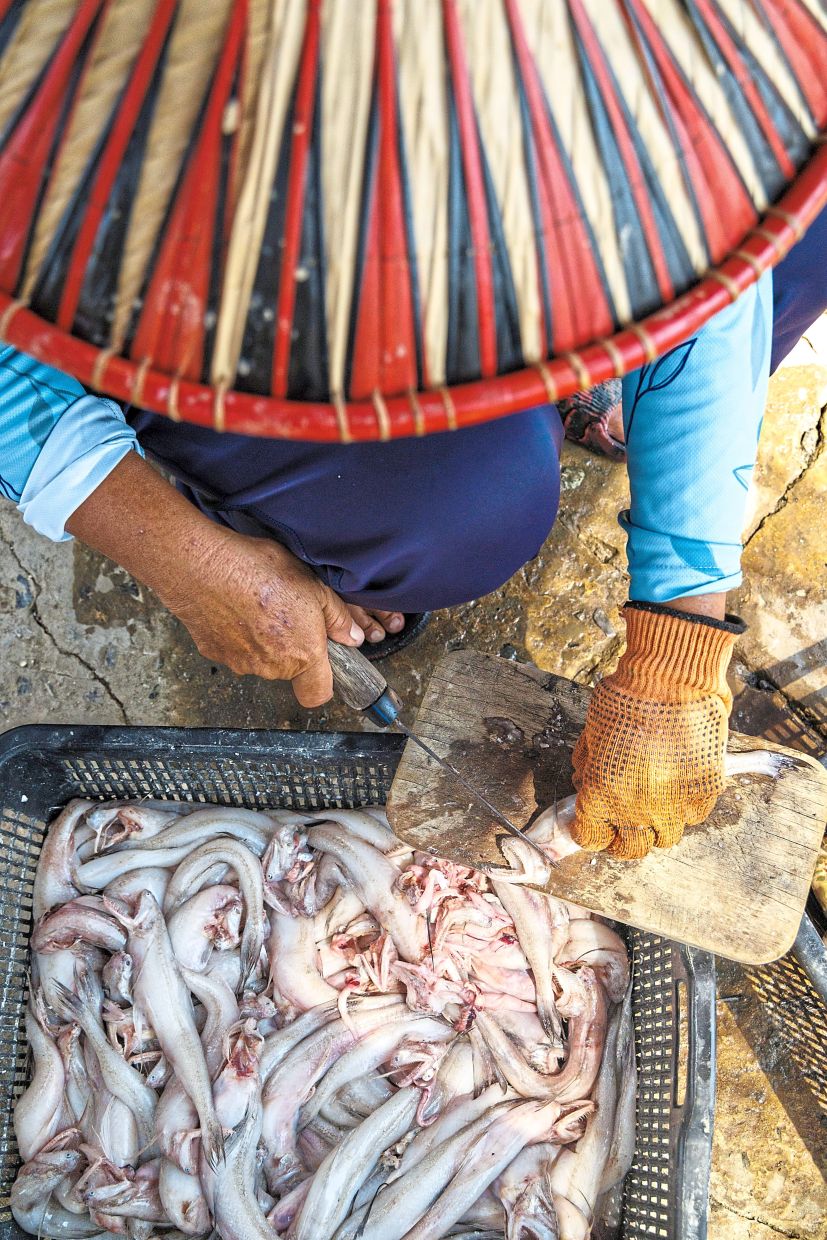
Rohana Saie, one of the village’s many ikan lumek salai producers, says the practice of smoking the fish has been handed down over the years by previous generations.
“There were no refrigerators in the past and it was difficult to obtain ice, so the only way to preserve the fish was to smoke it,” she said.
A tradition born of necessity has now become a source of revenue for the villagers, with rising demand for ikan lumek salai as a sought-after delicacy.
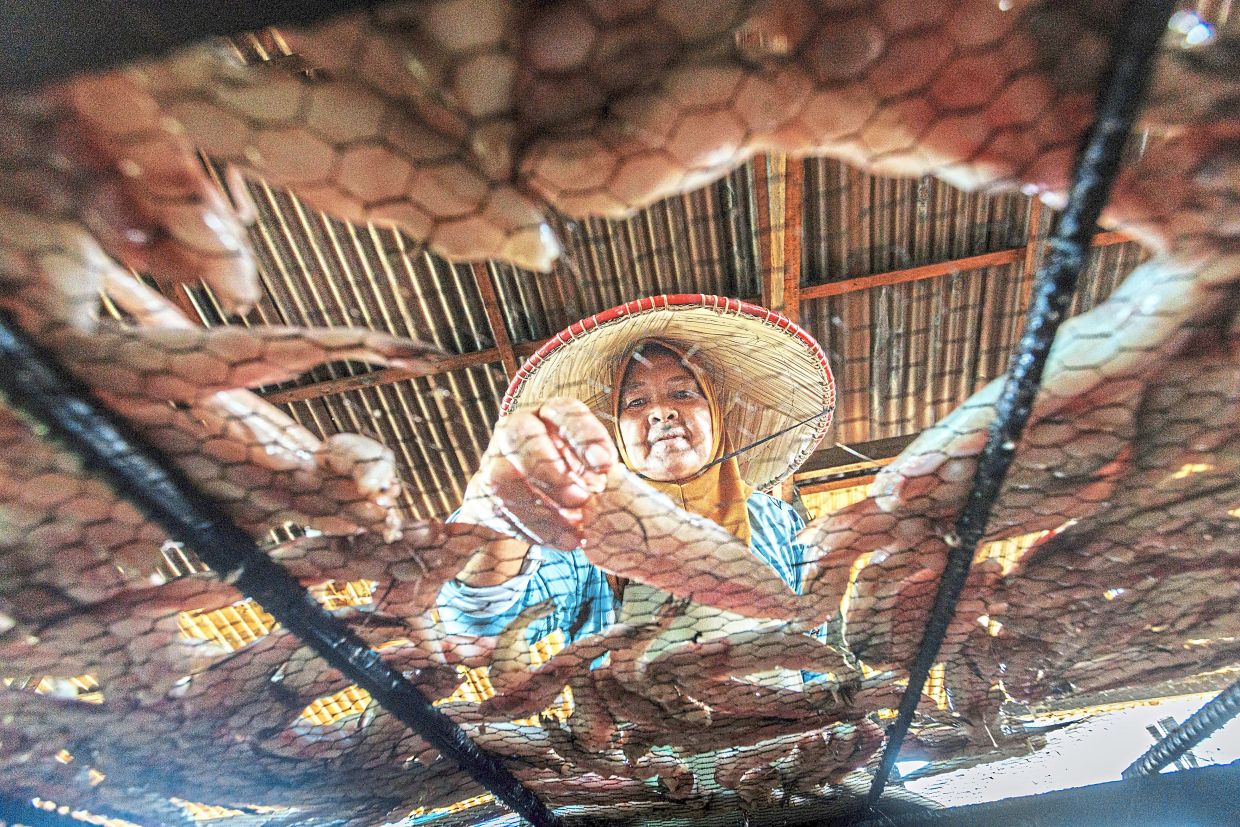
Rohana said ikan lumek salai fetches RM80-90 per kilo, compared to only RM2-3 per kilo for the raw fish.
“Most of the villagers at Kampung Penipah are involved in making ikan lumek salai. It generates a better income for us,” she said.
The villagers are busiest during the peak ikan lumek season from March to May.
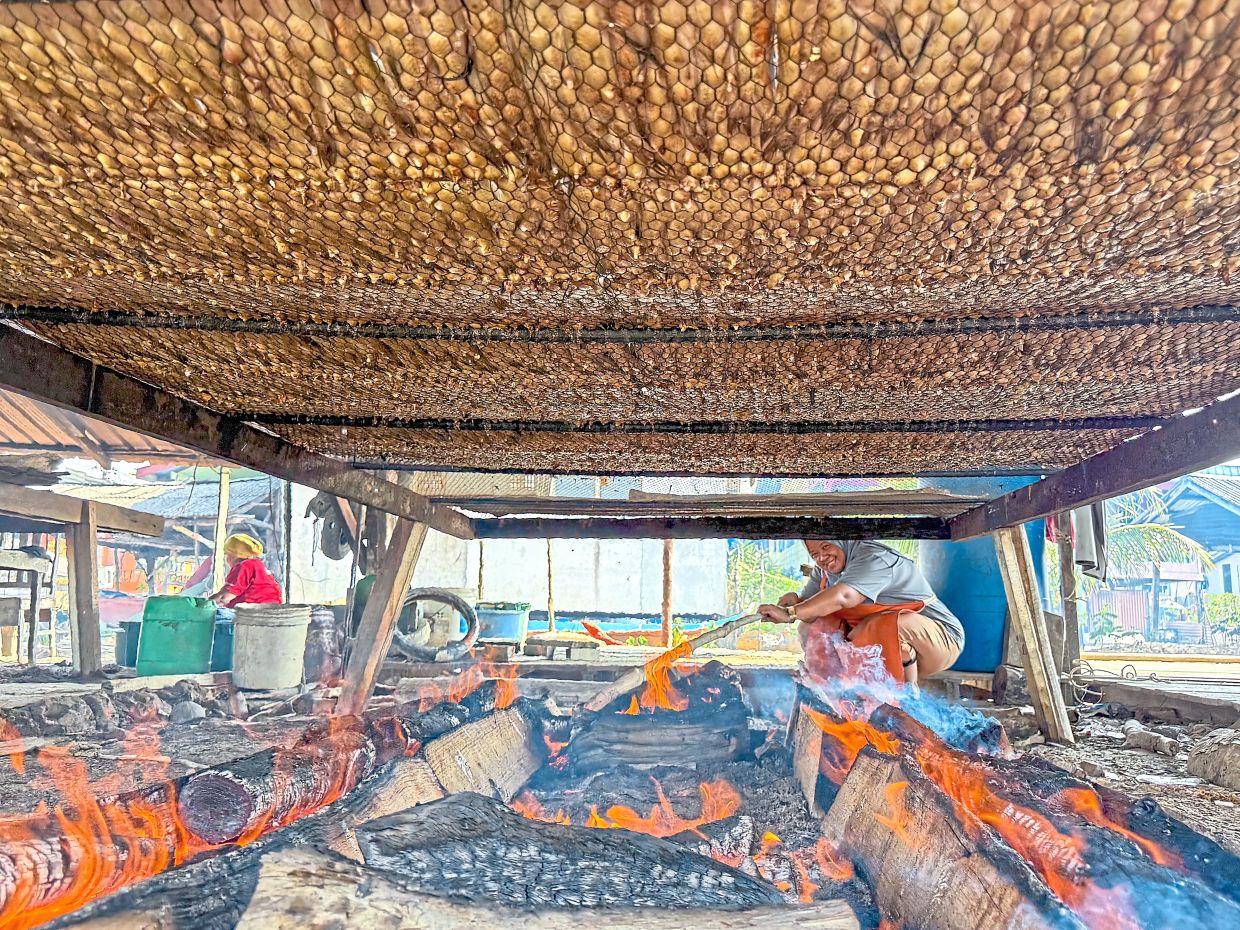
The process begins with cleaning the freshly caught fish, which are then arranged in neat rows on wire racks over wood fires to be smoked for six to eight hours.
The fire must be carefully tended to ensure a rich flavour and prevent the fish from burning.
Rohana said it takes about 20-25kg of raw ikan lumek to produce 1kg of smoked fish.
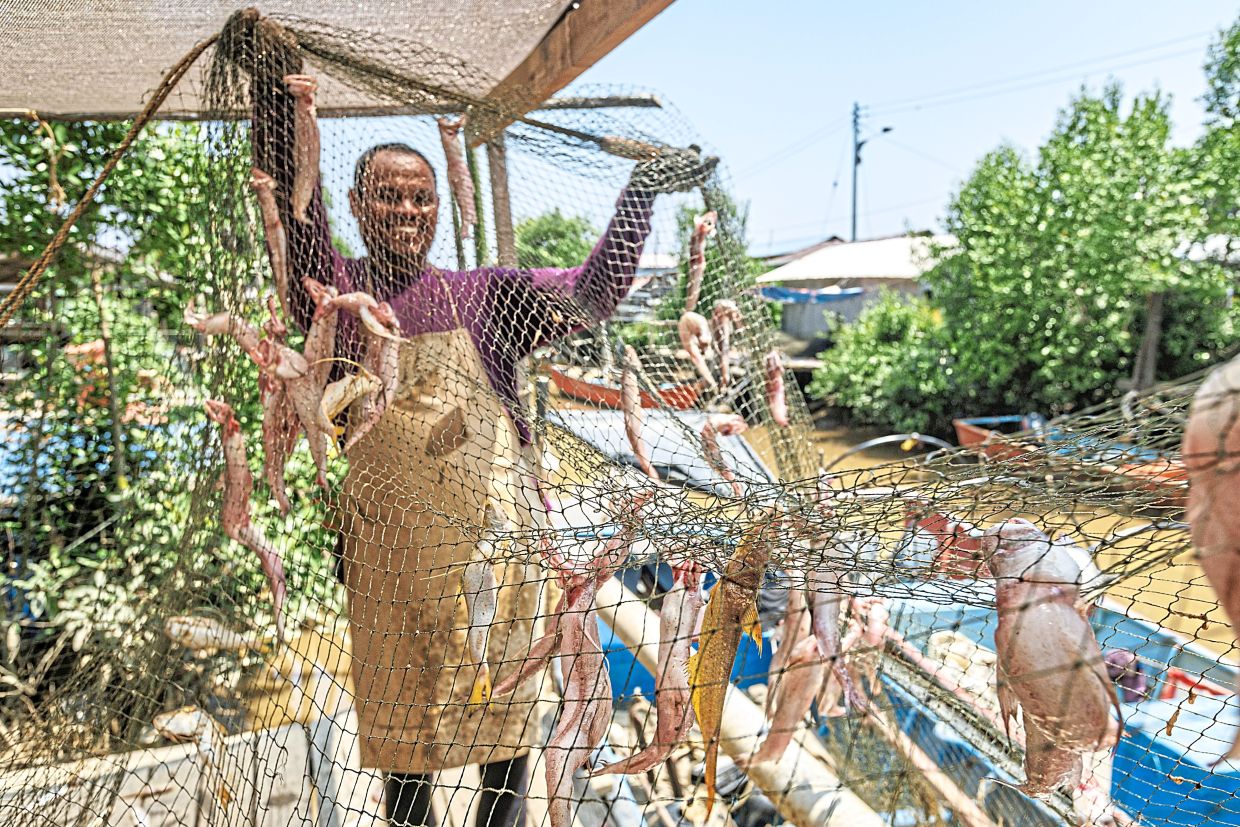
“Besides the traditional smoked fish, we also make it with different flavours like lumek merah and lumek satay.
“Even though the process is quite complicated and takes time, we enjoy doing it. It generates income for everyone involved, including those who help to arrange the fish,” she said.
The finished product is then packed and sold across Sarawak, including Kuching, Bintulu and Miri.
Customers also come to Kampung Penipah to buy the smoked fish, which can be enjoyed on its own as a snack, stir fried or made into a soup with terung asam.
For Rohana, preserving the practice of making ikan lumek salai is important, not only as a traditional food but also as a product with income-generating potential.
“I learnt to do this from my parents and grandparents. Now my children and nieces are learning it from me,” she said.