Programme transforms rural youths into a support system for isolated seniors.
MALAYSIA is ageing fast, but the biggest challenge may not be hospitals or medicine.
It may simply be this: who will care for the elderly during the quiet hours between doctor visits, when families are at work and many seniors are left home alone?
For generations, ageing in Malaysia often meant growing old surrounded by family. Grandparents lived under the same roof, and there was usually someone nearby to help with meals or daily routines.
But that picture is gradually changing. Children are moving away for work, families are becoming smaller and many elderly Malaysians are now spending their later years with less support than before.
By 2040, one in five Malaysians will be aged 60 and above.
Within that wave is another growing group – Malaysians entering their 80s, an age often associated with frailty, chronic illness and a greater need for long-term care.
For CarersPlus Asia co-founder Greg King, the issue is not simply about people living longer.
“Living longer doesn’t necessarily mean living well,” he said.
Malaysia has extended life expectancy, he noted, but many elderly individuals now spend years managing chronic conditions such as diabetes, heart disease, dementia and mobility decline.
That reality, King believes, is exposing a major gap.
“The healthcare system sees a patient for 15 minutes,” he said. “But what about the other 23 hours and 45 minutes?”
Those unseen hours, he said, are where the real burden lies. Without proper support, many elderly individuals fall into a cycle of isolation, loneliness and declining health.
“They stay at home, become lonely, get depressed and eventually end up in hospital,” he said.
At the same time, the traditional support structure is quietly weakening.
“In the past, we had extended families. Grandma and grandpa lived with us, and there was always someone at home,” King said. “That structure is progressively disappearing.”
For many Malaysians, nursing homes are not a realistic option either – they can cost thousands of ringgit a month, while retirement savings remain limited.
“About 90% of the population will only have one choice, which is to age in place,” King said. “So when you go to work, who looks after grandma?”
It is within this gap that King and his wife, former nurse Maria Kinson, began developing a community-based caregiving model.
For Maria, the journey was deeply personal.
She said the idea began after a loved one suffered a massive stroke, exposing the gaps in quality care, affordability and the availability of trained carers.
“It made us realise how vulnerable families can become when they suddenly need long-term care,” she said.
The couple returned to Sabah during the Covid-19 pandemic after their operations in Kuala Lumpur were disrupted by movement restrictions.
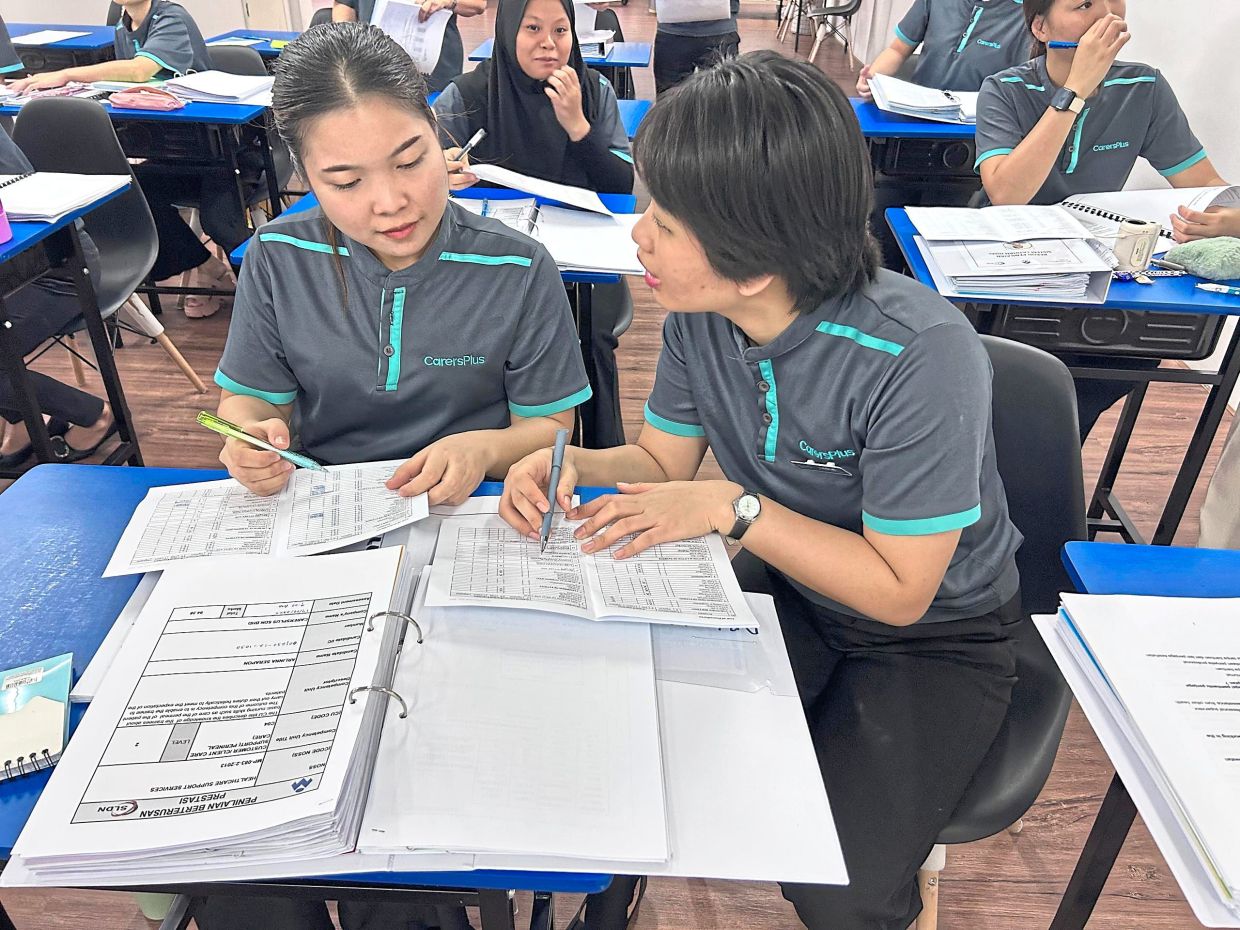
They began rebuilding the programme around nationally accredited caregiving training under the Department of Skills Development’s NOSS/SLDN framework.
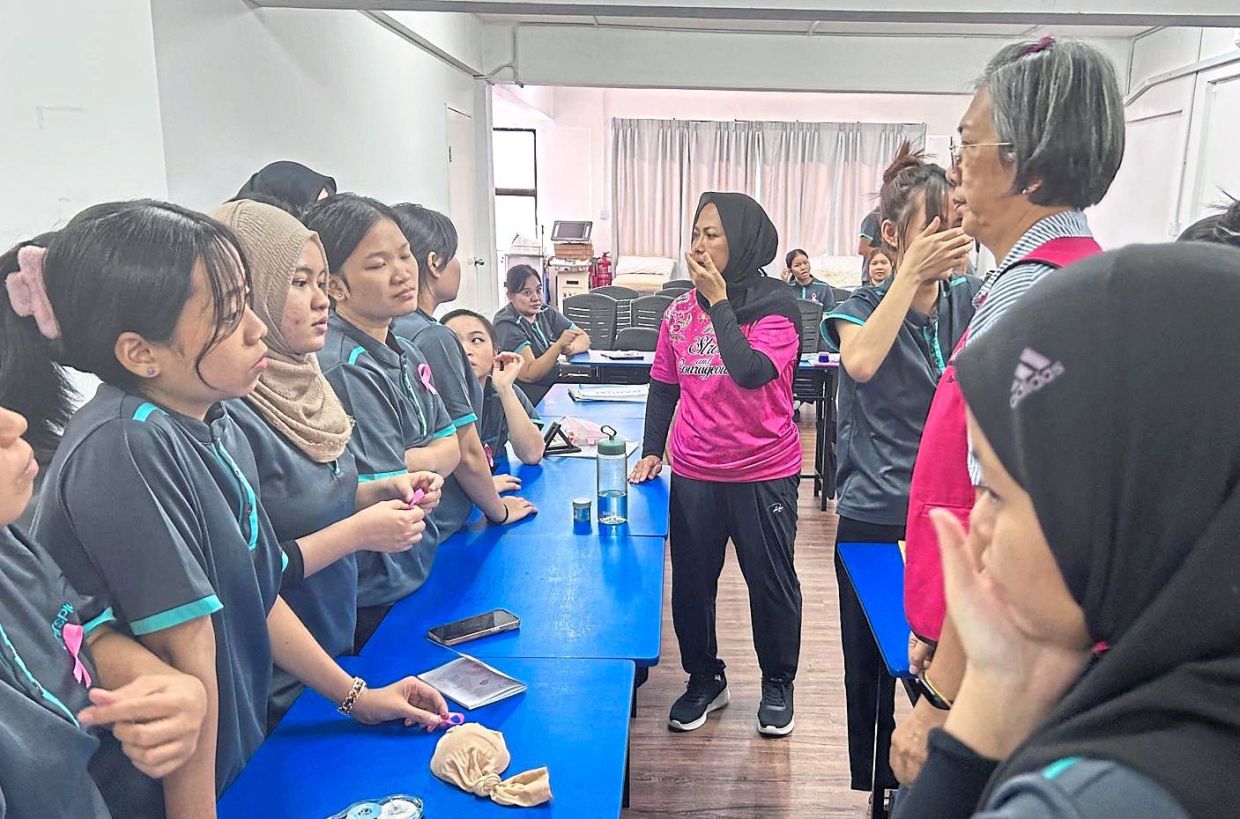
Based in Penampang, Sabah, their programme recruits youths from rural and marginalised communities and trains them under nationally accredited caregiving programmes. Its first cohort began training earlier this year.
“We are doing two things,” King said. “One is building infrastructure to support our elderly to age in place. The second is giving marginalised rural youths the opportunity to gain skills, qualifications and income.”
Many trainees come from villages where caregiving is already part of daily life – some grew up helping elderly grandparents without any formal training.
Now, they are learning how to manage medications, monitor vital signs and recognise early warning signs.
But caregiving, King stresses, goes beyond technical skills. Communication, confidence and attentiveness are equally important.
“The real test is not whether someone can complete training, but whether they can stay, adapt and succeed in a job,” he said.
Beyond caregiving itself, King believes Malaysia must rethink how communities support ageing.
That could include community-based programmes, senior activity groups or day care centres where older persons can stay socially connected.
“One of the biggest issues in ageing is loneliness,” he said. “When people become isolated, everything else starts to deteriorate.”
But while healthcare remains important, he believes ageing should not be treated purely as a medical issue.
“Ageing is a natural part of life,” he said.
“It’s not just about hospitals or medicine. It’s about how we support people to continue living with dignity within their communities.”
Malaysia, he added, does not lack policy discussions about ageing.
“What we lack is a system that reaches into homes,” he said.
In the end, the question is no longer whether Malaysia will age. It is whether enough support systems can be built in time for the people who will need them most.