PETALING JAYA: While healthcare practitioners acknowledge the importance of training courses for Radiation Protection Officers (PPS), they are concerned about the impact on private general practitioners (GPs).
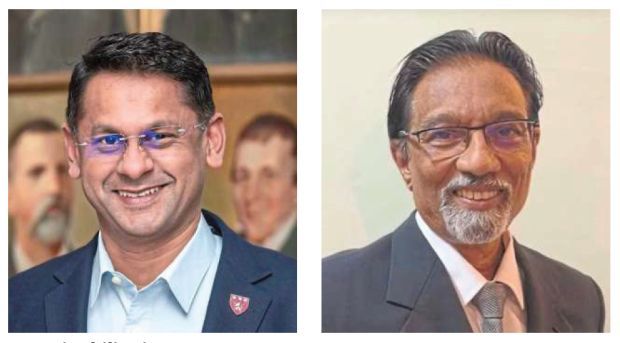
Malaysian Medical Association (MMA) president Datuk Dr Thirunavukarasu Rajoo said MMA does not dispute the importance of radiation safety standards in medical facilities.
“However, we have serious concerns about how this policy will be implemented on the ground, and its impact on the sustainability of GP practices across Malaysia.
“The majority of GPs in this country are solo practitioners. Any new compliance requirement lands entirely on that one person, and by extension, on their patients,” he said.
ALSO READ: No training, no licence
The PPS in a GP clinic, which is typically the doctor or sole radiographer, must attend mandatory in-person training. Existing registered facilities have until Jan 1, 2028, to comply under the sunset clause, with course fees ranging from RM600 to RM799.
However, any GP wishing to set up a new clinic with X-ray facilities after Jan 1, 2028, faces a significantly higher barrier – full certification is required before licence application and at a cost of RM1,530 to RM2,400.
“This is before a single patient has been seen and before any income has been earned. It is a serious disincentive to expanding access to X-ray services, particularly in underserved areas,” said Dr Thirunavukarasu.
The policy, he said, adds a new compliance layer on top of an already strained workforce situation without any corresponding measure to address the problem of radiographer supply.
He argued that the six-hour course for low-risk diagnostic facilities, which covers general X-ray and dental, can be delivered fully online.
“The MMA is also concerned that this requirement could be taken advantage of by commercial interests. The Health Ministry must ensure training providers do not treat a mandatory government requirement as a commercial opportunity.
“The Health Ministry must regulate approved training provider fees to ensure they are reasonable and transparent,” he added.
Dr Thirunavukarasu said the MMA had already formally engaged with Bahagian Kawalselia Radiasi Perubatan about these concerns.
“We urge the Health Ministry to mandate fully online delivery for Category 3 training, regulate training provider fees, review the one-candidate restriction and address the radiographer shortage as part of this policy.
“Policy must support the sustainability of frontline GP practices. A compliance burden that is costly and logistically demanding does not improve safety. It simply reduces access to care,” he added.
Concurring with the MMA, Federation of Private Medical Practitioners’ Associations Malaysia (FPMPAM) president Dr Shanmuganathan Ganeson said their reservations are mainly about cost implications.
“PPS play an important role in ensuring compliance with radiation safety standards, monitoring protection measures, maintaining records, coordinating staff training, and liaising with regulatory authorities,” he said.
“Larger hospitals and radiology centres have already established radiation safety structures in place, but smaller private facilities, including dental and GP-associated imaging services, may face additional compliance obligations relating to training timelines, staffing and certification.”
Dr Shanmuganathan said private clinics are already facing rising overheads, including staff salaries, rental, utilities, digital compliance requirements, indemnity coverage, and other regulatory obligations.
“The requirement for Radiation Protection Officers carries both manpower and training costs. Dedicated officers may earn salaries of RM3,000 and above, while certification courses can range from several hundred ringgit for short programmes to more than RM2,000 for full certification training.
“The FPMPAM fully supports the importance of radiation safety and proper governance. However, consideration should be given to ensuring that compliance pathways remain practical and affordable, particularly for lower-risk facilities such as small diagnostic premises and dental clinics,” added Dr Shanmuganathan.