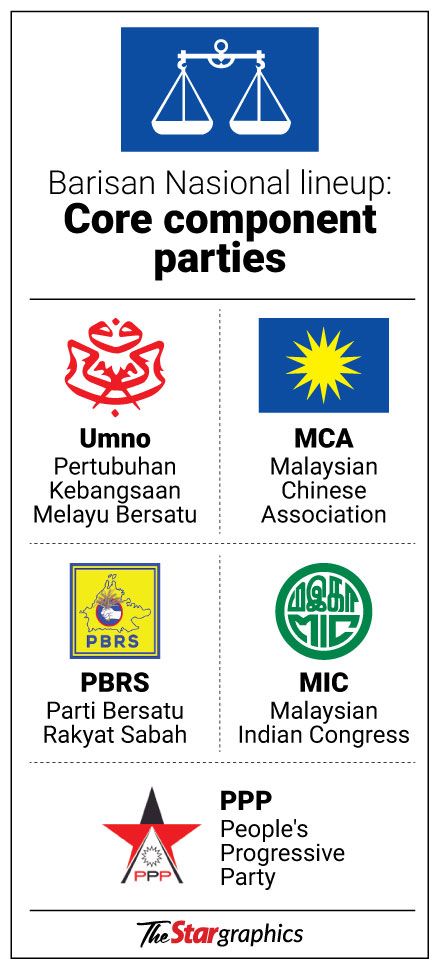
KUALA LUMPUR: Barisan Nasional is prepared for the eventuality of simultaneous state and general election but this will depend on the consent of the Malay Rulers and governors, says Datuk Seri Dr Ahmad Zahid Hamidi.
The Barisan chairman, who is also Umno president, said this also depends on the political situation in the interval leading to the end of a state government’s term.
“In my view, it is subject to the consent of the Rulers and the Governors, who, upon the advice of the Mentri Besar or Chief Minister, have the authority to dissolve the state assembly,” he said in an interview with selected media here yesterday.
The matter, said Ahmad Zahid, also depends on the funds that the Election Commission (EC) can use to conduct the elections.
“The cost is very high. Even if held simultaneously, the same amount of cost would be incurred.
“But in terms of timing and suitability, I believe we must respect the institutions in the respective states, and that the ultimate authority lies with the Rulers and the Governors of those states.
“It depends on their needs and considerations,” he said.
Previously, The Star highlighted that lawmakers across the board had called for simultaneous state and general elections, citing cost and the ease of campaign.
The term for the current Melaka state assembly ends this November, followed by Sarawak in February 2027 and Johor in April 2027.
Under the current mandate, Prime Minister Datuk Seri Anwar Ibrahim’s unity government can serve until November 2027.
Ahmad Zahid said while Barisan was always prepared, it could not win solely based on Umno and the component parties’ members and support.
“We must reach out and embrace support from those who are non-partisan, who have not joined any party, or who are not interested in politics but are convinced by the agenda we are putting forward for the benefit of all communities in the respective states or in the state legislative assemblies where we field our candidates,” he said.
Umno, he added, would also adopt “out-of-the-box’ approaches, including non-verbal communication methods, to win over young voters who now form the majority in the country’s political landscape, reported Bernama.
He said this reality must be acknowledged as voters below the age of 40, including those under the Undi18 initiative, are more open-minded and no longer bound by party loyalty.
“They are very open in their thinking, and do not necessarily choose parties. They choose candidates and those who can deliver agenda that matter to them, and what they stand to gain from the candidates they support,” he said.
This strategy, said Ahmad Zahid, was crucial as voting trends had shifted, with voters increasingly assessing candidates based on service delivery and personal credibility, rather than the political party they represent.