BATU KAWAN: The Fire and Rescue Department of Malaysia has taken a number of fuel-saving measures, including limiting the movement of non-critical vehicles, following current fuel supply issues and rising fuel costs.
Its director-general Datuk Seri Nor Hisham Mohammad said the approach was adopted to ensure diesel and petrol usage can be optimised without affecting operational readiness.
He said all state directors have also been instructed to reschedule departmental programmes, including public education activities, so they can be carried out more efficiently while minimising vehicle usage.
“For fire and rescue operational vehicles, there will be no compromise — if there is an emergency call, our personnel will still respond as usual. However, for utility vehicles and non-critical activities, we will limit movements.
“In addition, we are implementing fuel-saving measures, including holding meetings online only to reduce the need for officers and personnel to travel to meeting venues. I have informed all state directors about this,” he told reporters on Saturday (April 4) night.
He was speaking after the closing ceremony of the Volunteer Fire Brigade (PBS) Convention and the Penang Fire and Rescue Department Public Safety and Awareness Campaign, officiated by Chief Minister Chow Kon Yeow at the Batu Kawan Stadium compound here on Saturday night.
Also present was state local government and town and country planning committee chairman H’ng Mooi Lye.
Nor Hisham said his department acknowledged PBS’ views on the impact of fuel costs on daily operations, and that the matter would be discussed periodically before being brought to the government for further consideration, including additional needs and support mechanisms.
“PBS has yet to receive fuel subsidies, but the matter can be submitted for the government’s consideration because they also use diesel and petrol for operations,” he said.
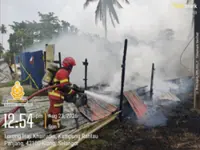
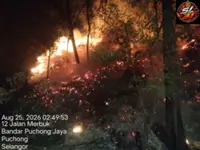
Meanwhile, on a separate matter, Nor Hisham said the increase in fire cases over the past two weeks showed a significant surge of about 40% compared with the same period previously.
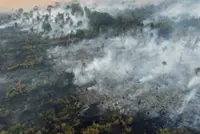
He said the rise involved not only the number of cases, but was more worrying because the affected areas were also more extensive, including fires exceeding 100ha in several locations such as in Pahang and Johor.
Nor Hisham said the fires mostly involved secondary forest and oil palm plantations, requiring more complex and sustained firefighting efforts.
“The surge happened over a short period — about two weeks — but what is more concerning is the size of the areas involved, including fires in Pahang and Johor that exceeded 100ha. The current hot and dry weather has also contributed to the increased risk of fire.
“… if there is no open burning, fires will not happen, so we believe there is an element of open burning that has made the situation more serious,” he said.
He expressed hope that the cloud-seeding operation scheduled to begin Monday (April 6) would help address the situation, particularly in ensuring water sources and that existing fires can be fully extinguished. — Bernama