
ALONG the Kinabatangan River, patience is often rewarded ... but never promised.
At the Sungai Pin Conservation Area (SPnCA), visitors are reminded early that wildlife does not appear on cue.
Animals move freely, appear when they choose, and sometimes remain unseen. For many, that uncertainty is part of the experience.
Located in Sabah’s east coast district of Kinabatangan, SPnCA spans 2,632ha of riparian areas, lowland mixed dipterocarp forest and seasonal freshwater swamp forest within a working oil palm landscape.
Managed by SKG Green Sdn Bhd, a subsidiary of the Sabah-owned Sawit Kinabalu Group, the area combines conservation, eco-tourism and commercial operations in a single setting.
Unlike wildlife parks or enclosed reserves, sightings at SPnCA are never guaranteed.
Orang utan, hornbills, proboscis monkeys and other species move naturally across forest patches, riverbanks and wildlife corridors.
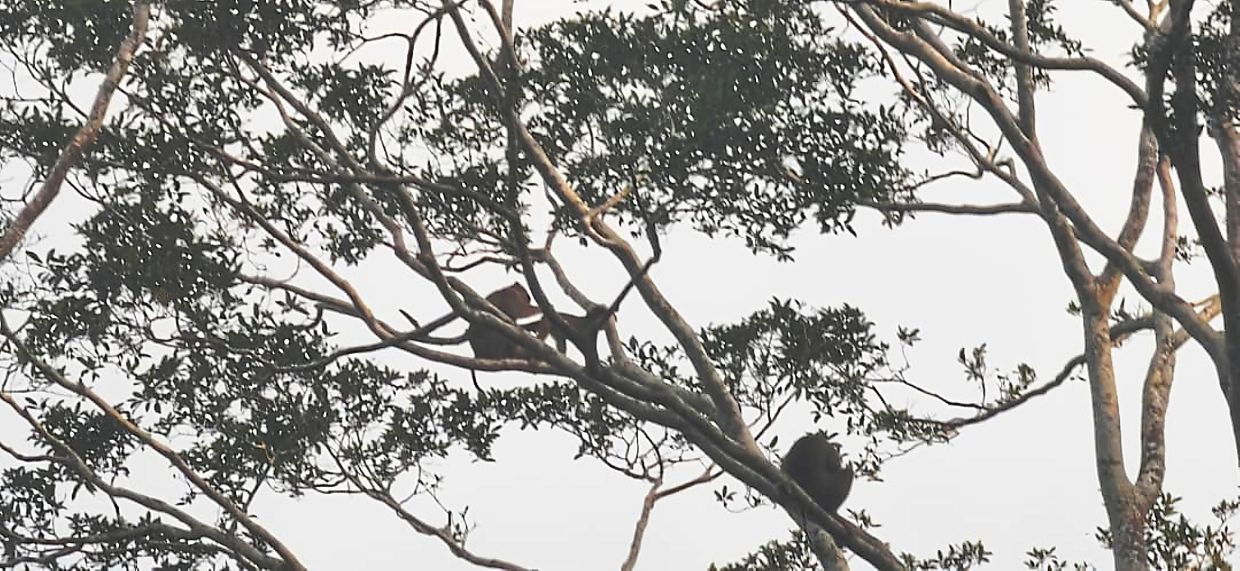
“Seeing wildlife here is about being in their space, not the other way around. Sometimes you may see a lot. Other times, very little. That is the reality of wildlife, and that is also what makes it meaningful,” said SKG Green Sdn Bhd chief executive officer Philipa Datuk Wilfred Mojilis.
SPnCA is home to 28 protected bird species, including the endangered white-crowned hornbill, the wrinkled hornbill, the rhinoceros hornbill and Storm’s stork.
It also supports 17 protected mammal species, such as the Bornean orang utan, proboscis monkey, Sunda pangolin, silvered langur and Asian palm civet, alongside over 500 plant species.
Rather than drawing animals to people, SPnCA is designed to let wildlife move undisturbed.
Preserved forest patches, riparian buffers and canopy bridges connect habitats that were once fragmented, allowing animals to travel, feed and breed.
Camera traps have recorded orang utan carrying young, gibbons with offspring, and even endangered pangolins, showing that the habitat supports thriving wildlife – even if these moments are rarely seen.
“These animals are here because the environment works for them, not because we are showcasing them,” Mojilis said.
For eco-tourism operators, managing expectations is key.
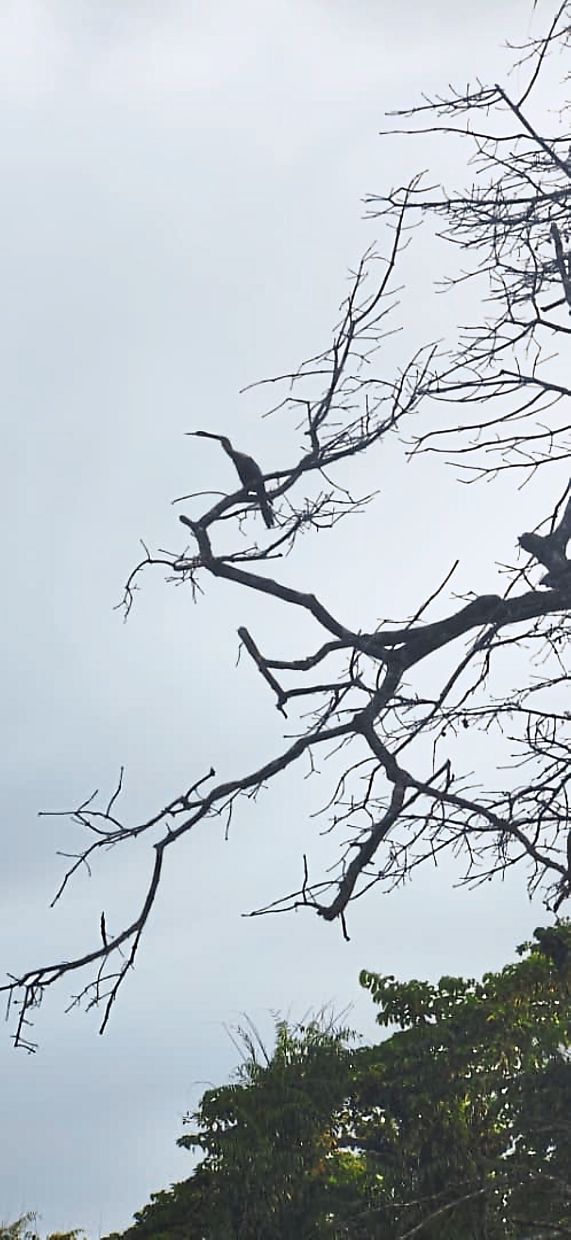
Guided tours at SPnCA focus on observation, learning and respect for nature rather than guaranteed encounters.
When trekking along Bukit Mansuli, visitors can enjoy the dipterocarp forests while looking for signs of wildlife – footprints, calls and feeding marks – to better understand how the ecosystem functions.
“Sometimes the most valuable takeaway is not a photograph, but an understanding of how conservation works,” Mojilis added.
Although SPnCA was active before 2017, a memorandum of understanding signed that year between Sawit Kinabalu and the Sabah Forestry Department formalised its conservation and sustainability efforts.
Early efforts focused on habitat protection and tree planting, led by Sawit Kinabalu’s Conservation and Biodiversity Unit.
As interest grew from researchers, educators and visitors, SKG Green Sdn Bhd was formed to manage conservation and eco-tourism separately from plantation operations.
Today, eco-tourism at SPnCA helps support conservation efforts while raising public awareness about sustainable land management.
Income from guided visits, river activities and educational programmes contributes to habitat restoration and monitoring work.
The approach also benefits nearby communities through jobs in guiding, conservation and tourism services, including handicraft-making, while outreach programmes raise environmental awareness among students and young people.
In short, SPnCA offers a different kind of experience, where nature sets the rules.
Wildlife sightings are never guaranteed, so visitors are encouraged to slow down and observe.
Even without encounters, the forest often reveals signs of life, showing that it is functioning as it should.