
IN Sabah’s interior, rivers are more than geography. They are food, transport, memory and survival.
For generations, communities depended on these waterways for fish and daily needs.
But over time, pressure on river resources began to show. Fish became harder to find, and what was once abundant slowly declined.
Today, a traditional system known as tagal is quietly reversing that decline.
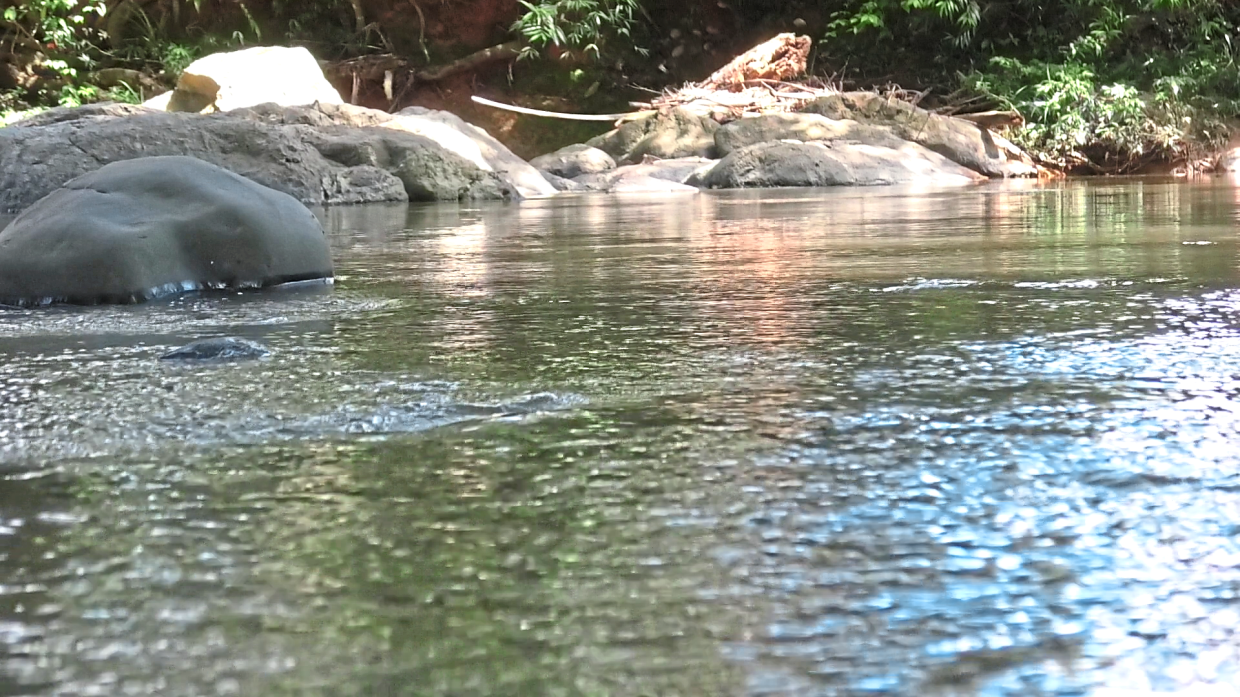
Practised across many rural parts of Sabah, tagal is a community-led fishing restriction that allows rivers to recover.
It is simple in principle. Villagers agree not to fish in designated areas for a period of time, giving fish the chance to breed and repopulate. Those who defy the rules can face fines or other penalties set by the community.
What began as a conservation effort has since grown into something more. In some places, it is now a source of income, tourism, and community resilience.
In others, it is still a work in progress.
In Kampung Kopuron in Telupid, a rural district in central Sabah, the tagal system has been practised for years, but is still finding its footing after receiving formal recognition a few months ago.
While the idea is understood, getting everyone to fully accept it has taken time.
Mailan Sabitang, 57, who heads the village tagal committee, said the biggest challenge is not enforcement but changing mindsets.
“Everyone in the village knows about it, but when we started taking action, not everyone understood what we were doing,” he said.
“After all, these are our own people, so we had to give them time.”
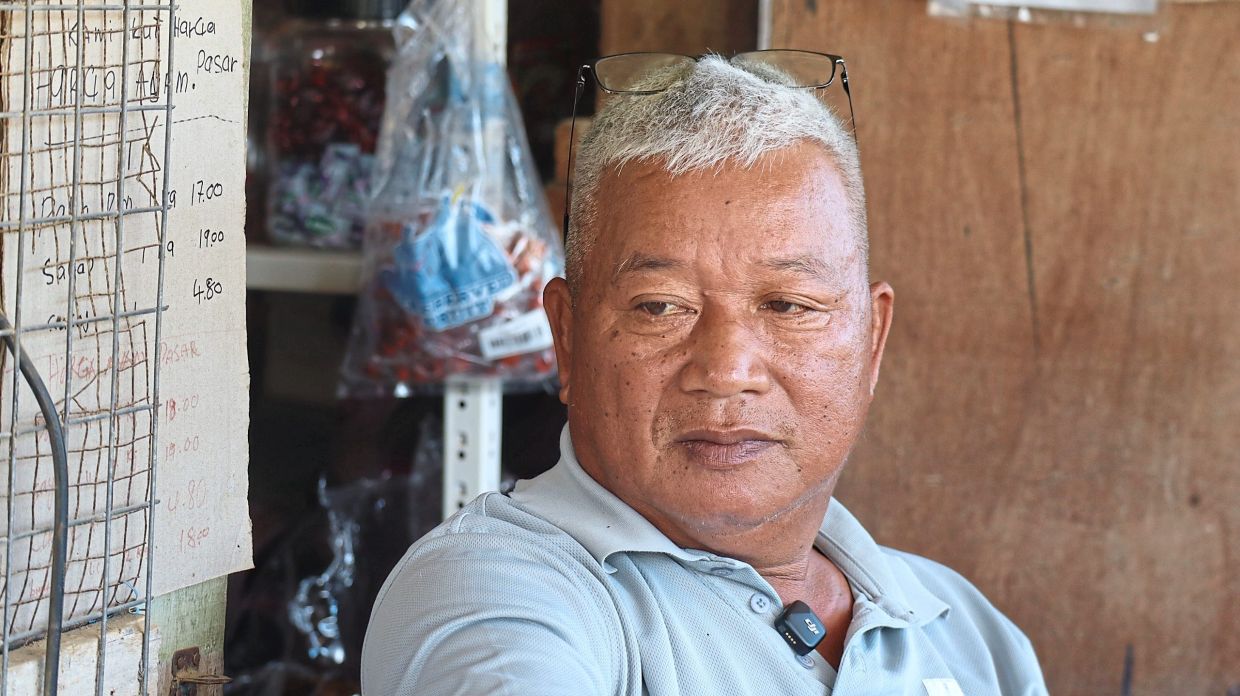
For Mailan and his team, implementing tagal has required patience. Instead of strict punishment, the approach has been to explain, persuade and slowly build trust.
This is particularly important in a small community where relationships matter and decisions affect everyone.
“We cannot be too harsh. We have to balance things. If we push too much, it will affect relationships in the village,” he said.
Only recently has the system gained a stronger footing. With the signing of a memorandum of understanding and formal recognition by the authorities, the community now has clearer backing to enforce the rules.
“Fish are starting to return,” Mailan said.
“That shows us that what we are doing is working. We want to protect the river and the fish for the long term.”
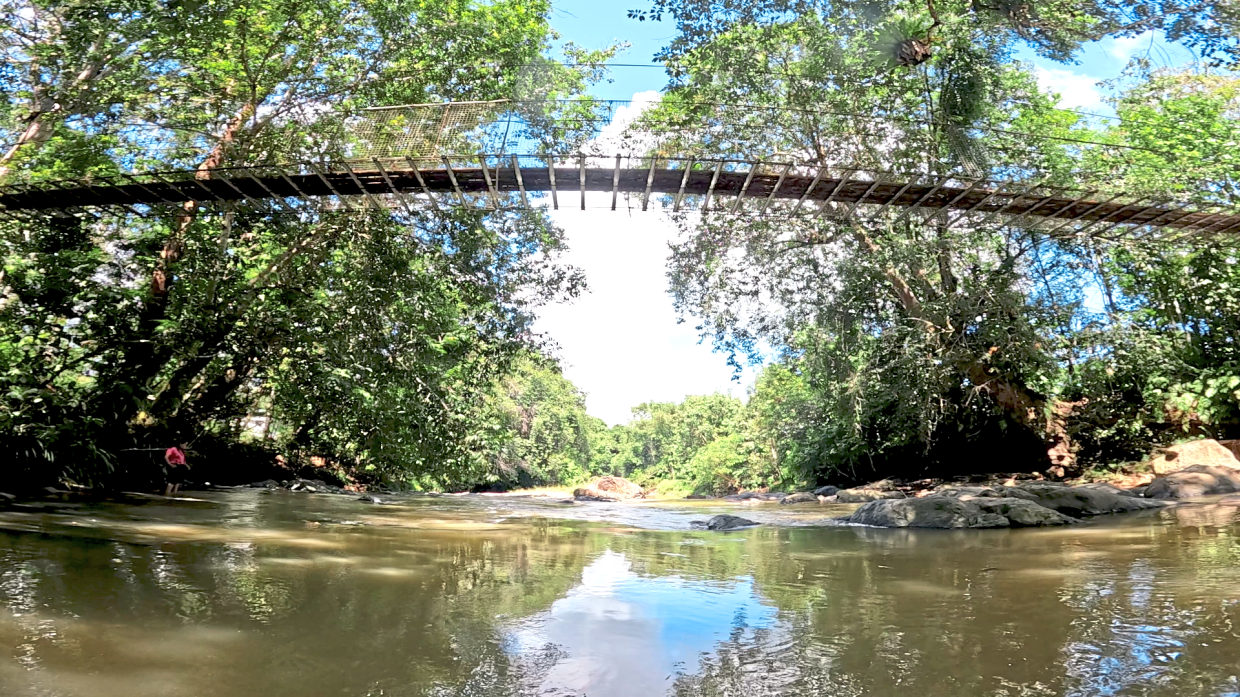
For communities like Kampung Kopuron, tagal represents a shift. It requires moving away from immediate use of resources towards long-term thinking, something that does not happen overnight.
Further west in Ranau, that shift has already taken shape.
At Kampung Luanti, the tagal system has matured into one of Sabah’s most recognised community-based conservation success stories.
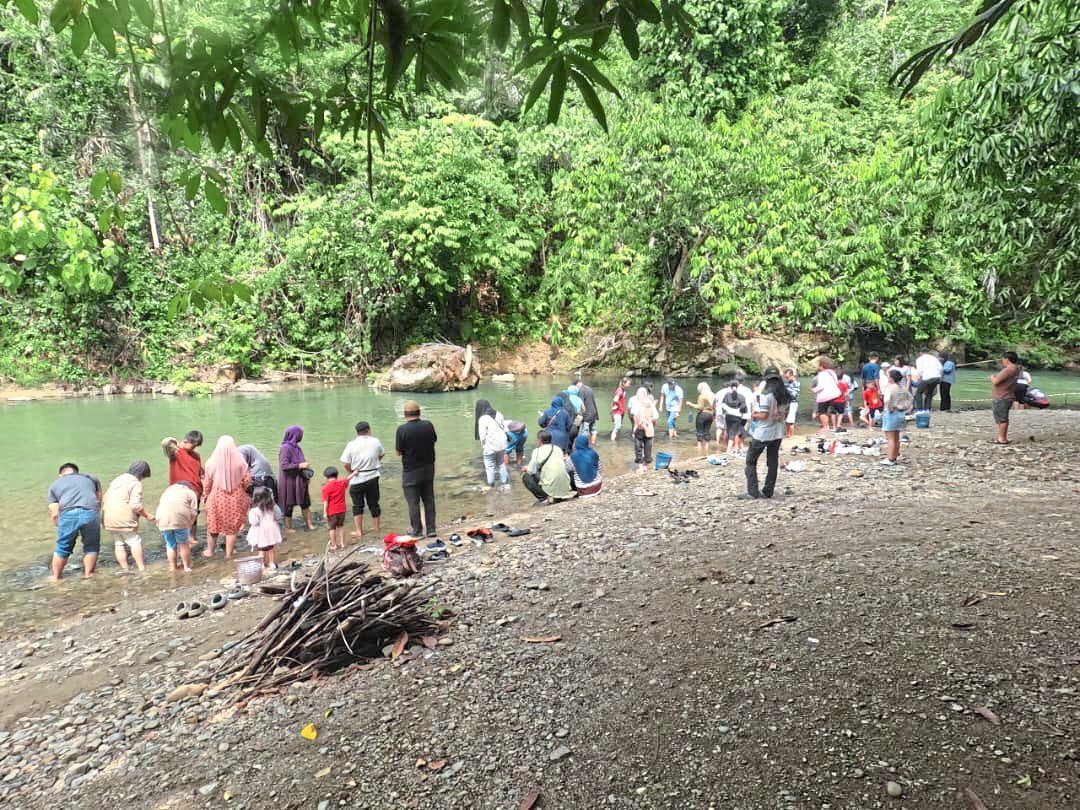
Introduced in 2004 and later opened to visitors in 2008, the river in Luanti is now known for its natural fish spa, where schools of native fish gather around visitors in clear, flowing water.
The experience is simple but powerful. Visitors sit at the river’s edge as fish swim around them, drawn by movement and feeding activity. For many, it is both a novelty and a connection to nature.
For the community, it is a livelihood.
Nora Pulangga, a local guide who has worked there for about 10 years, has seen the transformation first-hand.
“When I first started, it was already growing, but now we see more people coming,” she said.
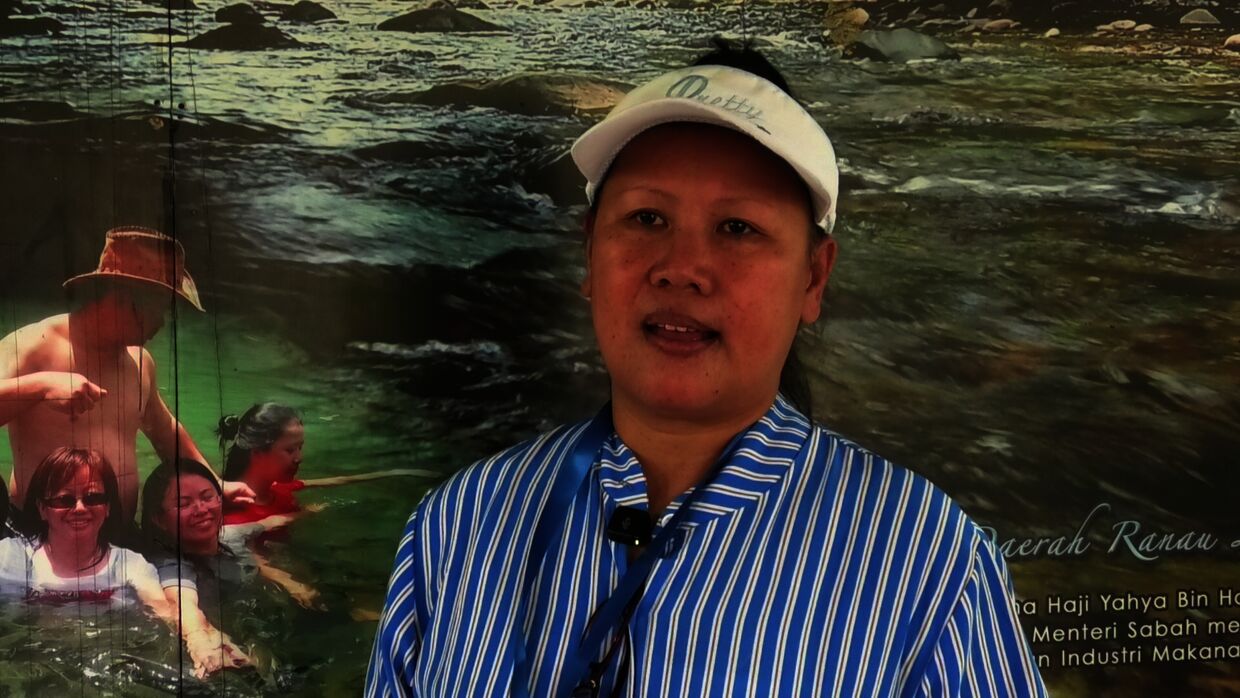
“On weekends and during school holidays, it can get very busy. Even on normal days, we can have around 100 visitors.”
The tagal site is managed entirely by the community. Income generated from visitors is shared among villagers, with distributions made twice a year.
This collective approach ensures that the benefits are not concentrated in a few hands but spread across the village.
At the same time, the community remains responsible for maintaining the river.
“If the river is not clean, the fish will not stay. So, we all have a role to take care of it,” Nora said.
The success of Tagal Luanti extends beyond the river itself.
Around the site, rows of small stalls line the area, selling handicraft, snacks and local products.
These stalls are operated entirely by villagers, creating additional sources of income linked directly to tourism.
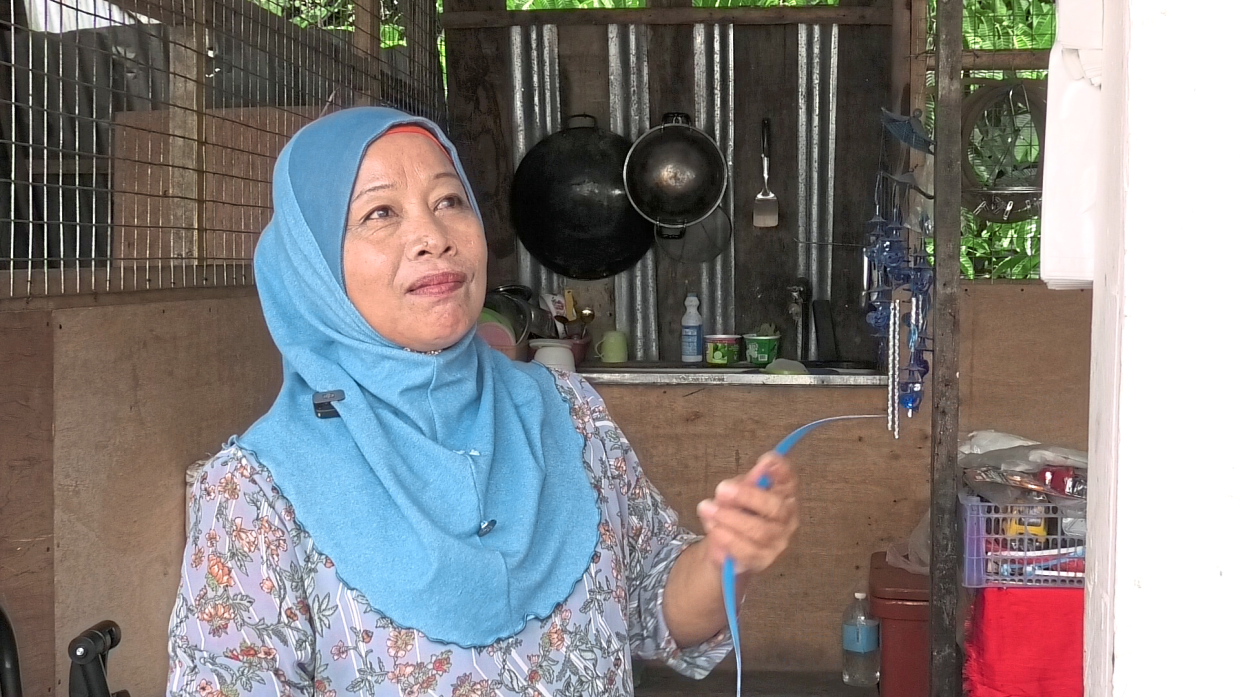
For Anna Kindod, who has been running a handicraft stall for more than 15 years, the difference before and after tagal is stark.
“Before this, it was very hard to earn a living,” she said.
“Now this is where I earn my income. I use it to pay for electricity, water, my children’s schooling and even my loans.”
Some of the items she sells are handmade, while others come from fellow villagers. This creates a small network of local production and trade, allowing income to circulate within the community.
Tagal, in this sense, does not just protect fish. It supports an ecosystem of livelihoods.
According to residents, one of the key strengths of Tagal Luanti is its authenticity.
The fish are not farmed or artificially introduced. They are native to the river and have adapted to the protected environment over time.
This natural setting is what draws visitors and keeps the experience unique.
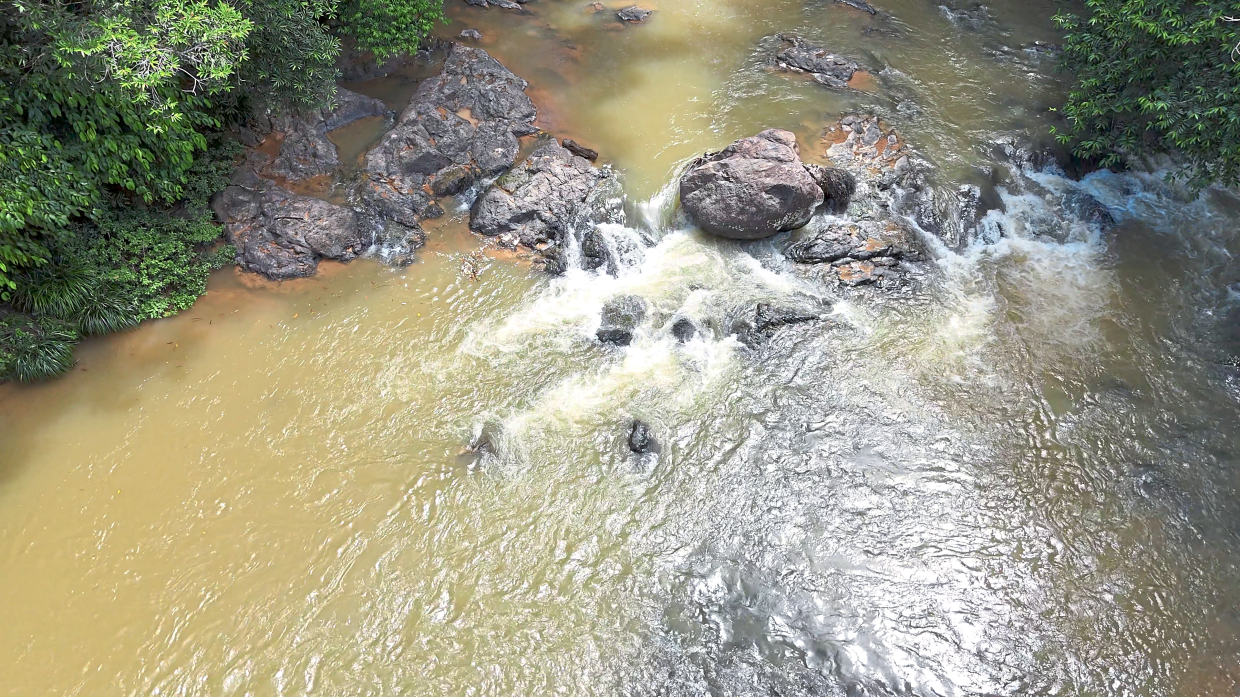
Back in Telupid, communities like Kampung Kopuron are still working towards that stage.
There are challenges. The weather can affect river conditions. Awareness takes time to build. Enforcement requires both authority and sensitivity.
But there are also signs of progress. Fish are returning. The river is beginning to recover. And perhaps most importantly, people are starting to believe in the system.
The contrast between Telupid and Luanti reflects two different points along the same journey.
One is just beginning, learning and adjusting. The other has grown into a model of what is possible.
For rural communities in Sabah, tagal offers more than conservation.
It offers a path forward.
By protecting what they already have, these communities are finding new ways to sustain themselves, strengthen their bonds and build a future that does not come at the expense of their natural environment.
In the end, the lesson is simple. When the river is allowed to recover, so too can the community around it.