



PETALING JAYA: The number of new breast cancer cases worldwide is projected to cross 3.5 million in 2050, with deaths from the disease expected to increase by 44% to nearly 1.4 million, according to a study.
“Despite recent advancements in breast cancer treatments, new breast cancer cases in women are predicted to rise by a third globally from 2.3 million in 2023 to more than 3.5 million in 2050.
“Similarly, yearly deaths from the disease are projected to surge 44%, from around 764,000 to 1.4 million, with disproportionate impact in countries with limited resources,“ said the analysis from the Global Burden of Disease Study Breast Cancer Collaborators published this month in The Lancet Oncology.
In 2023, 28% of the global breast cancer burden was linked to six potentially modifiable risk factors such as high red meat consumption (linked to nearly 11% of all healthy life lost), tobacco use (including second-hand smoke; 8%), high blood sugar (6%), high body mass index (BMI; 4%), high alcohol use and low physically activity (both 2%).
The findings suggest that maintaining a healthy lifestyle such as not smoking, getting sufficient physical activity, lowering red meat consumption, and having a healthy weight may prevent over a quarter of healthy years lost to illness and premature death due to breast cancer.
Co-senior author Dr Marie Ng, an affiliate associate professor at Institute for Health Metrics and Evaluation, University of Washington and associate professor at National University of Singapore, said with more than a quarter of the global breast cancer burden being linked to the six modifiable lifestyle changes, there are tremendous opportunities to alter the trajectory of breast cancer risk for the next generation.
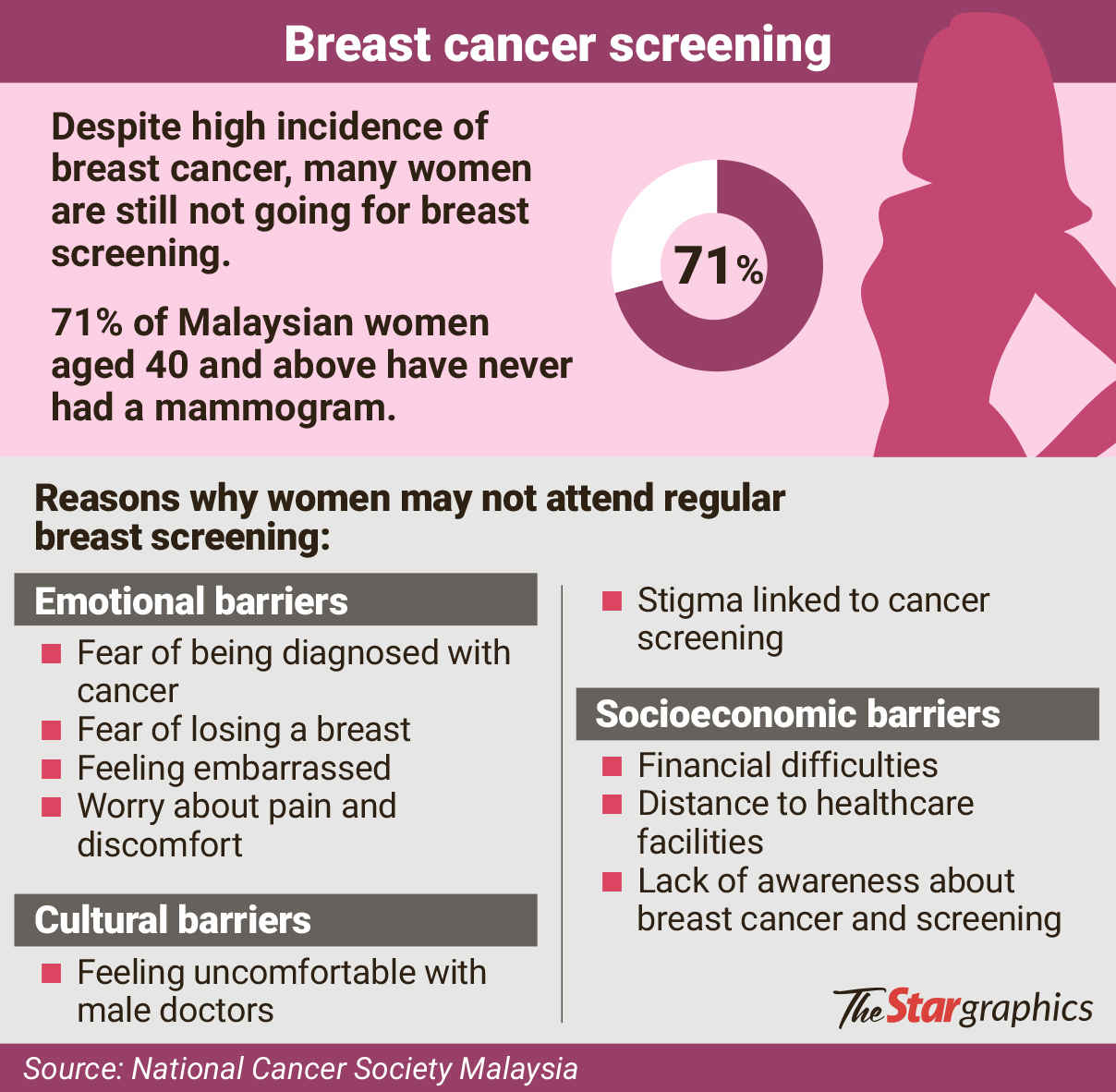
“Targeting known risk factors through public health policies and making healthier choices more accessible, while working with individuals to take action to reduce obesity and high blood sugar, is crucial to halting the rise in breast cancers worldwide,” she said.
The rates of new cases have risen in women aged 20-54 (up 29%) since 1990, with rates in older women not changing substantially, reflecting the changing age patterns and risk factors, which vary between pre- and post-menopausal women.
According to the authors, the study used the best available data but was constrained by a lack of high-quality cancer registry data, particularly in countries with limited resources, highlighting the need to increase investments in cancer surveillance systems.
The new analysis provides an updated global, regional and national analysis of the female breast cancer burden and risk factor estimates from 1990 to 2023 in 204 countries and territories, with forecasts up to 2050.

