



PETALING JAYA: Malaysia is seeing an increase in interest from citizens of Gulf countries in the Malaysia My Second Home (MM2H) programme, says MM2H Consultants Association president Anthony Liew.
He attributed this to Malaysia’s position as a geopolitically neutral country.
“We already have some enquiries and the number is increasing. They haven’t started submitting applications because they need to verify some documents. So, that will take some time,” he said in an interview.
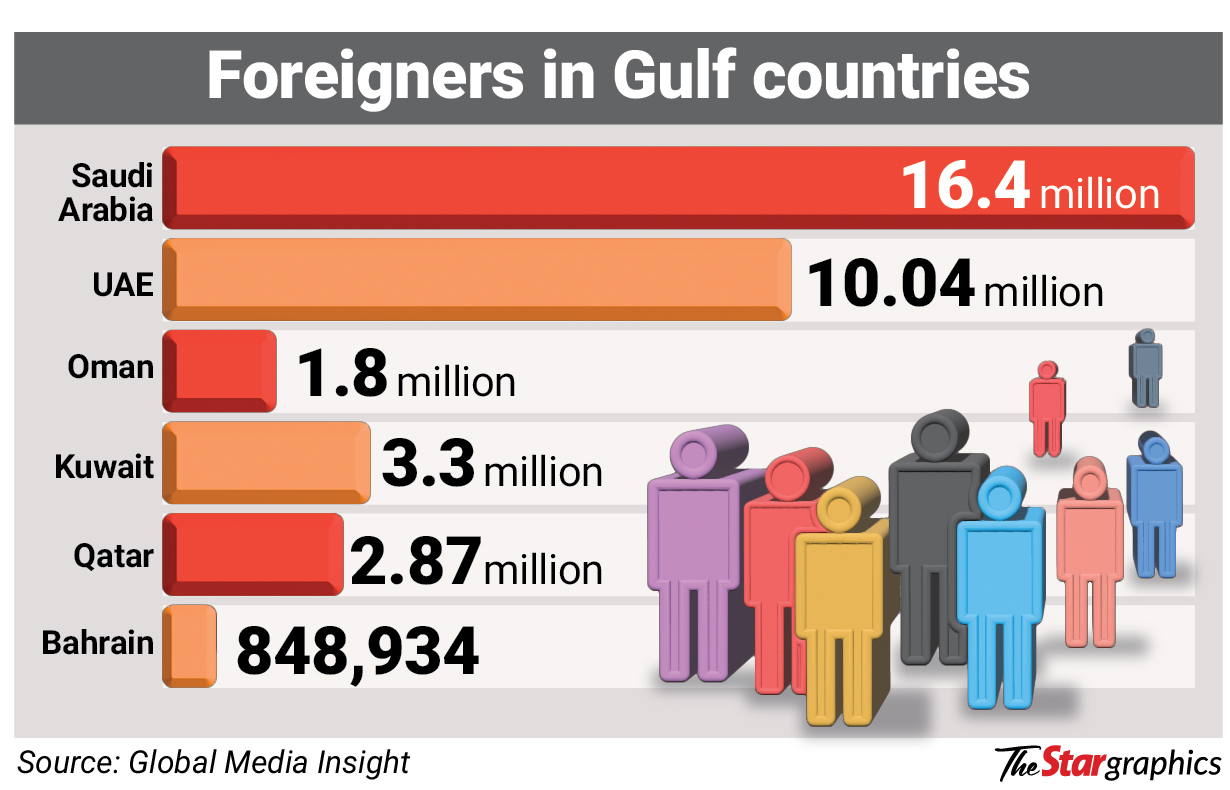
According to Liew, the enquiries mostly came from those living in Saudi Arabia, the United Arab Emirates, Kuwait, Bahrain and Qatar.
“These potential applicants are mostly working professionals, retirees and parents seeking educational opportunities for their children.
“As these citizens look for a second home, Malaysia is one of their choices,” he added.
ALSO READ: Focus on other key markets, say tourism stakeholders
To capitalise on such interest, Liew said the government should spread awareness about the country to the citizens and expatriates based there.
Juwai IQI co-founder and Group CEO Kashif Ansari said Malaysia is a natural destination for those living in the Middle East, given its status as a safe haven and distance from the Middle East conflict.
“Malaysia is also a Muslim-majority nation that can provide a familiar environment to Middle Eastern buyers.
“They can get halal food and access Islamic finance in Malaysia. Outside of the Middle East, it is rare to find attractive, multi-lingual markets with these characteristics,” he said.
Kashif projected that more nationals from the region would arrive in Malaysia to study, visit and invest.
“We have some evidence that buyers from the Middle East region have shifted their attention to Malaysia,” he said.
Kashif noted that the government is doing a good job in promoting Malaysia via the MM2H programme and Visit Malaysia 2026.
“The Tourism, Arts and Culture Ministry has been focusing on consumers in the Middle East as a priority tourism market in 2026,” he said.
As for MM2H, the ministry had previously stated that the programme had generated a total of RM3.87bil for the nation’s economy as of last year.
Sunway University economics professor Dr Yeah Kim Leng said Malaysia had long established an expatriate community from the Middle East which, although still relatively small, is continuously growing.
“This gives the country a comparative advantage over Thailand and Singapore in attracting Middle Eastern expatriates, particularly if turbulence in the region persists,” he said.
He added that there could be an uptick in MM2H applications from the Gulf states.
“Large property developers may be motivated to offer customised housing projects if emigration to Malaysia gains momentum,” Yeah said.
Economist Geoffrey Williams, however, was of the view that in the short term, the conflict in the Middle East may not see a surge in Gulf expatriates as the MM2H programme seems less attractive compared to other visa schemes globally.
“The system of employing expatriates may also make it hard for employers to hire high-skilled foreign talent.
“There must be benefits beyond offering the residence visa. But in the long term, Malaysia will remain attractive to those from China, Russia and other conflict zones,” he added.
