PETALING JAYA: The immediate impact of tensions in the Middle East remains manageable for Malaysian businesses with dealings in the region, although companies are keeping a close watch on possible supply chain disruptions and rising transport costs, say industry groups.
SME Association of Malaysia president Dr Chin Chee Seong said while most companies are not heavily reliant on the Middle East market, secondary sectors that depend on global distribution channels may still feel the impact.
These include food processing, manufacturing of export-oriented products, downstream palm oil products and electrical and electronics (E&E).
“Service industries such as tourism and construction may also be affected due to higher transport costs and disrupted air and shipping routes,” he said when contacted yesterday.
Chin said feedback from the small and medium enterprises (SME) suggests the direct impact remains limited, although supply chain disruptions and rising logistics costs, especially as shipping companies reroute vessels to avoid conflict zones, remain a concern.
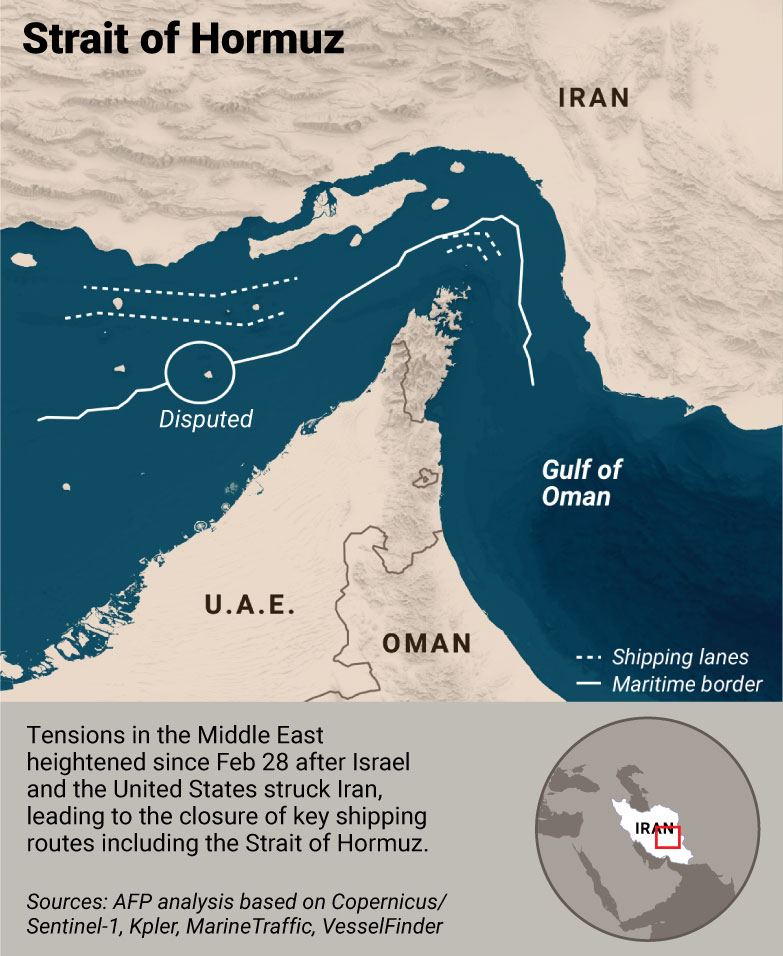
Tensions in the Middle East heightened since Feb 28 after Israel and the United States struck Iran, prompting Teheran’s retaliation against US interests in the Gulf and leading to the closure of key shipping routes including the Strait of Hormuz.
Small and Medium Enterprises Association of Malaysia (Samenta) president Datuk William Ng said SMEs have been alerted to potential shipping delays up to two months for shipments to and from Europe and the Middle East, with freight costs possibly rising 40 to 50% if the conflict prolongs.
“This is troublesome for our SMEs, given their tight margins and limited ability to diversify supply chains.
“Uncertainties by the US tariff also makes pricing and supply decisions difficult, and many small exporters may refrain taking additional orders, which will hurt the sector,” he said.
Ng also explained that many of its members have begun buffering their inventory to hedge against shipping delays, while tightening credit terms to protect cash flow, as part of contingency plans.
He also said SMEs must quickly diversify their supply chains and reduce reliance on any single market by pivoting toward intra-Asean trade and high-potential regions like South Asia and Africa.
“By leveraging Malaysia’s recent Asean chairmanship and new digital economy frameworks, there is a short window of opportunity for an Asean pivot,” he said.
Associated Chinese Chambers of Commerce and Industry of Malaysia (ACCCIM) president Datuk Ng Yih Pyng said the tensions have prompted businesses to delay capital investments.
“The event has triggered an economic downshift. Businesses are cautious on capital spending until the situation becomes clearer,” he said.
He said businesses will need to tailor their plans according to the type of operation, particularly those that rely heavily on energy or are involved in tourism.
He stressed the need for government support, especially for cash flow, export-oriented businesses and local fuel subsidies.