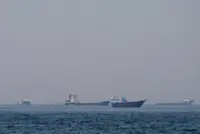
PETALING JAYA: Malaysian ships are steering clear of the Strait of Hormuz as security risks escalate amid the ongoing Middle East conflict, with authorities also working to bring vessels already in the area home safely.
Malaysia Shipowners’ Association chairman Mohamed Safwan Othman said the heightened threat level has prompted operators to avoid the key shipping lane entirely.
“As of now, we are not going to go through that strait. We have to do everything within our power to avoid it,” he said.
“It’s unfortunate for the vessels that are currently in the area. But ships heading there now will avoid entering the strait.”
For vessels already in the area, Mohamed Safwan said the Malaysia Marine Department is working with the Foreign Ministry to ensure they return home safely.
The disruption could directly affect Malaysia’s maritime industry, particularly in the oil and gas trade, as many Malaysian vessels operate in the region.
Mohamed Safwan said Malaysia’s fleet comprises about 4,000 ships operating globally, including more than 100 tankers.
“The Malaysian fleet mainly consists of tankers carrying oil and gas, so it does directly affect us,” he added.
Malaysia imports and exports oil and gas with countries in the Middle East, making the Strait of Hormuz an important route for energy shipments.
Mohamed Safwan said the conflict has already begun affecting the shipping industry through rising risk levels and potential changes to insurance coverage.
“We understand that some maritime insurers have cancelled existing premiums because they want to revise them to better reflect the risks they are taking,” he said.
The higher risk classification could lead to increased war-risk insurance costs and force ships to take longer alternative routes, raising operating expenses for shipping companies.
Mohamed Safwan said such additional costs could eventually be reflected in freight charges, although the broader impact on Malaysia’s economy may remain limited for now.
“Many Malaysian tankers operate under time-charter agreements, where the routes are determined by the energy companies that hire them.
“If the oil companies are no longer serving that route, they will have to consider alternative routes for the ships.
“Otherwise, they still have to pay the shipowners anyway,” he added.
Mohamed Safwan also noted that regional oil storage and trading hubs, particularly in Singapore, provide some buffer against immediate supply disruptions.
“Most of the trade flow goes through Singapore because it has the largest oil terminal facilities. As long as the terminals there still have supply, we should be able to manage,” he said.