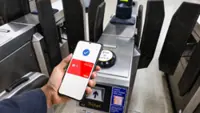
PETALING JAYA: Business operators are adopting e-wallets and QR-based systems in response to shifting consumer habits and broader digitalisation.
Malaysian Muslim Restaurant Owners Association (Presma) president Datuk Mohamed Mosin Abdul Razak said the trend has accelerated since the Covid-19 pandemic.
“Yes, we are certainly seeing more restaurants adopt cashless payment methods such as e-wallets and QR-based systems especially after the Covid-19 pandemic.
“And with broader digitalisation in the Malaysian economy, consumers prefer quick, contactless payment options,” he said.
For many operators, particularly in urban areas, the move is driven by efficiency and convenience.
“It reduces the time taken at the payment counter, simplifies daily tasks and meets customer’s expectations in a digital age,” he said.
Mohamed Mosin said members have reported tangible operational benefits.
“Cashless systems reduce the need for physical cash handling, which can lower the risk of cash loss or theft, and make end-of-day work quicker and more accurate.
“Many operators also find that digital transactions cut down on manpower needed to manage cash floats, count takings and prepare deposits,” he said.
However, he cautioned that going fully cashless involves investment.
“It’s important to acknowledge that going fully cashless is not free from cost.
“Some advanced digital ordering and payment platforms require investment in technology and may have fees associated with certain services, although it will not have a significant affect on profits,” he said, adding that operators must balance savings with long-term digital transformation plans.
SME Association of Malaysia president Dr Chin Chee Seong said most SMEs and micro enterprises are open to cashless systems.
“Most SMEs and micro SMEs are very familiar and very open to cashless payments and e-wallets,” he said.
“It has many benefits, not only for convenience, but also with their e-invoicing.”
He noted that adoption is less prevalent in rural areas, but said the shift since the pandemic has improved efficiency.
“Ever since Covid-19, many businesses have adopted cashless payments and they are now even more efficient in keeping track of where their money goes,” he said.
On concerns among older generations, Chin said adaptation is part of change.
“For the older generations, they need to learn and adapt. It’s an evolving world and they shouldn’t leave themselves behind.
“While cashless payments are growing, SMEs still accept cash payments but it is more minimised now,” he said.