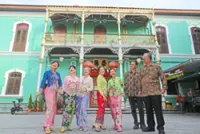
GEORGE TOWN: Listing Baba Nyonya on birth certificates will boost Penang’s appeal as a cosmopolitan and culturally rich destination, according to the Penang Peranakan Baba Nyonya Association.
Its president Datuk Lilian Tong said previously, the community could only be recorded as Malay, Chinese or Indian in official documents.
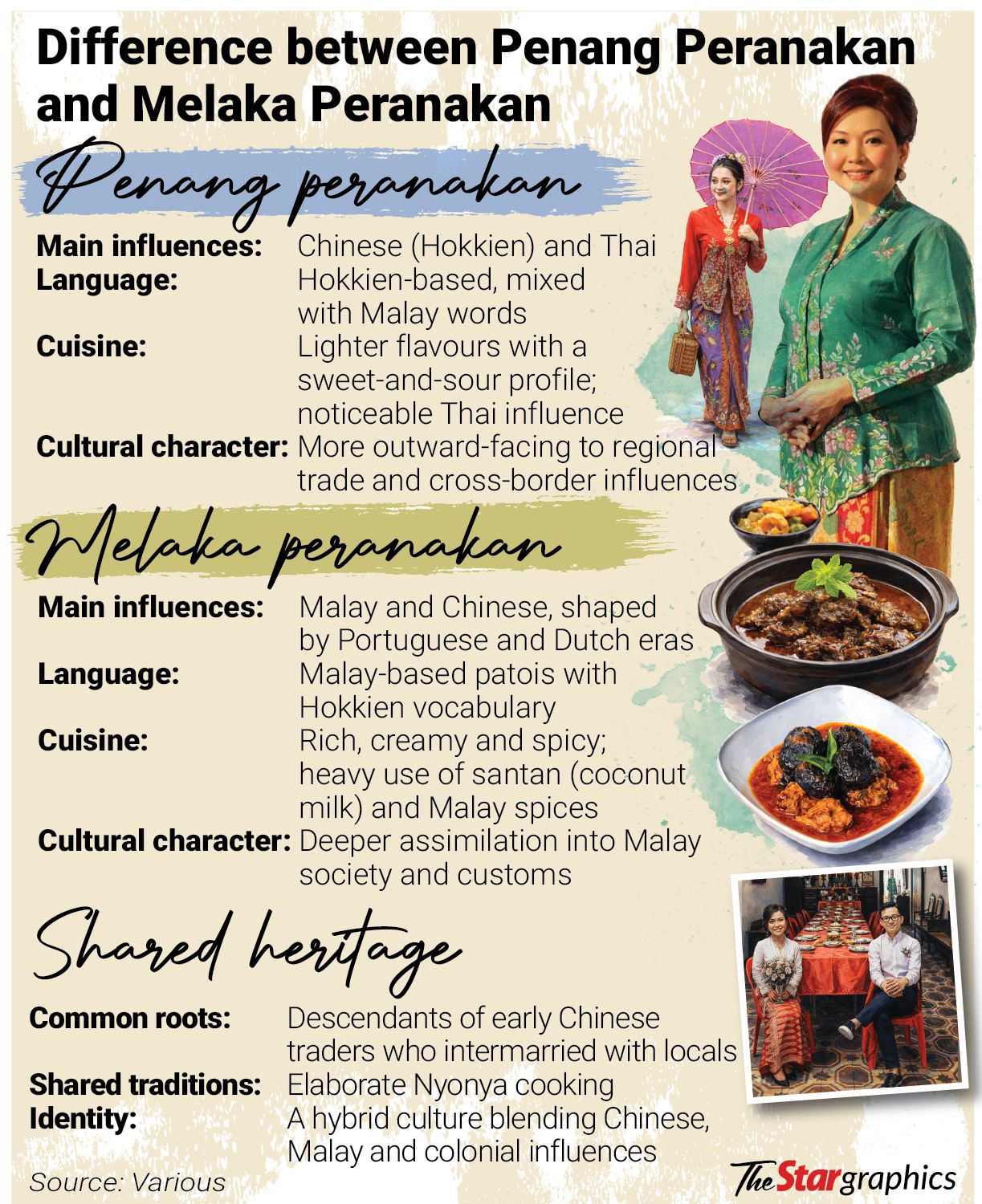
“This recognition helps the public understand our unique identity – our attire, customs and way of life. It also acknowledges us as a minority.
“Although we are Chinese, people often question why we wear sarong kebaya. Now there is a clearer understanding,” she said.
ALSO READ: Process to formally recognise Baba Nyonya ancestry takes off nationwide
Tong said Penang’s strength lies in its many minority cultures, which added richness to the state’s calendar of events.
Citing the Chap Goh Meh (the 15th or last day of the Chinese New Year) celebration as an example, she said Baba Nyonya traditions have grown beyond the community to become a symbol of social cohesion in Penang.
Each year, Nyonyas showcase their intricately embroidered baju kebaya, while Babas don colourful batik, accompanied by the rhythmic beats of dondang sayang onboard a festive bus procession during the celebration.

“Chap Goh Meh was once celebrated mainly within the Baba Nyonya community.
“Today, it is a state event shared by everyone. That reflects cohesion and shared ownership of culture,” she said.
Under the Penang Peranakan Baba Nyonya Association and Straits Chinese Association, Tong said about 1,000 people in Penang are still actively pursuing Baba Nyonya cultural practices.
Historians trace the origins of the Peranakan Chinese to about the 12th and 13th century, when traders from southern China began settling permanently in the Malay Peninsula and Java.
The men were mostly from Fujian and Guangdong provinces in China who married local women in Melaka, Penang and Singapore, later known as the Straits Settlements.
Their descendants formed a hybrid culture blending Chinese and Malay traditions, known as the Peranakan, a Malay term meaning “local-born”, with the men called Baba and the women Nyonya.
At the Pinang Peranakan Mansion in Lebuh Gereja, a museum dedicated to Penang’s rich Peranakan heritage, tourists also learn that the community is now officially recognised on birth certificates.
Australian Emily Carter, 34, said she is glad to learn about a living identity and not just the history.
“I did not realise the Peranakan were previously categorised under other identities, so this official recognition feels like a long-overdue acknowledgement.
“Seeing the artefacts and learning about daily life here, you can tell this is a very distinct culture, not just a sub-category of Chinese.
“It makes the experience more powerful because you’re not just looking at history but at a living identity,” she said.
Singaporean Jason Lim, 41, said the recognition highlighted the importance of preserving minority cultures in a modern society.
“I grew up hearing about Baba and Nyonya culture but I never fully understood how unique it was until coming here.
“The fact that it can now be stated on birth certificates shows respect for heritage and gives the community a sense of belonging,” he said.
State tourism and creative economy committee chairman Wong Hon Wai said the Peranakan or Baba Nyonya community remains one of Penang’s strongest cultural pillars, contributing not only to heritage preservation but also tourism and the creative economy.
He cited the community’s active participation in other major events such as the George Town Heritage Celebrations, National Day events and Penang Chingay Parade as evidence of its continued relevance.
“From language, customs and cuisine to attire, architecture and values, Peranakan heritage reflects the spirit of harmony, adaptability and mutual respect – values that Penang proudly upholds today.
“Whether through heritage homes and museums, culinary tourism or cultural festivals, Baba Nyonya culture offers immense potential for sustainable tourism and creative entrepreneurship,” he said.