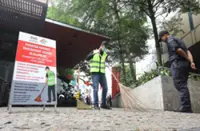
PETALING JAYA: With a new law to punish litterbugs coming into force on Jan 1, Malaysians warn that fines alone will not be effective without consistent enforcement, regular patrols and visible action on the ground.
With the approved amendments to the Solid Waste Management and Public Cleansing Bill 2025, courts can start to impose community service orders in addition to fines next year.
Anthony Ong, 48, an operations manager, said the fines alone are unlikely to be a silver bullet.
“You need regular patrols, cameras in known hotspots and follow-through.
“Otherwise, some people will just treat fines as a risk worth taking,” he said.
Copywriter Ethan Sim, 29, shared similar sentiments, saying the upcoming law sends an important message but must be backed by visible action.
“It’s encouraging to see the government getting serious, but illegal dumping won’t stop just because the law changes.
“If enforcement is weak or inconsistent, people will continue doing it, especially in secluded areas,” he said.
Sim also stressed that preventing illegal dumpsites from returning requires more than just punishment.
“Education is key. People need to understand the environmental and health impact of dumping, not just fear a fine.
“Community involvement matters too. When residents take ownership of their neighbourhoods and report dumping early, it makes a big difference,” he said.
Sim added that transparency could help build public trust.
“Regular updates on enforcement actions and clean-up efforts would show that the authorities are serious.
“When people see results, they’re more likely to cooperate,” he said.
Under the Solid Waste and Public Cleansing Management Act 2007, subsection 77B(1) an offender can be ordered by courts to perform up to 12 hours of community service.
Under the new law, courts must also take into account the offender’s physical and mental condition, explain the implications of the order and inform them of the consequences of failing to comply.