What happens when technology meets tradition? The two might seem like polar opposites, but in Malaysia, efforts are underway not just to preserve cultural heritage but to help it live on in digital worlds.
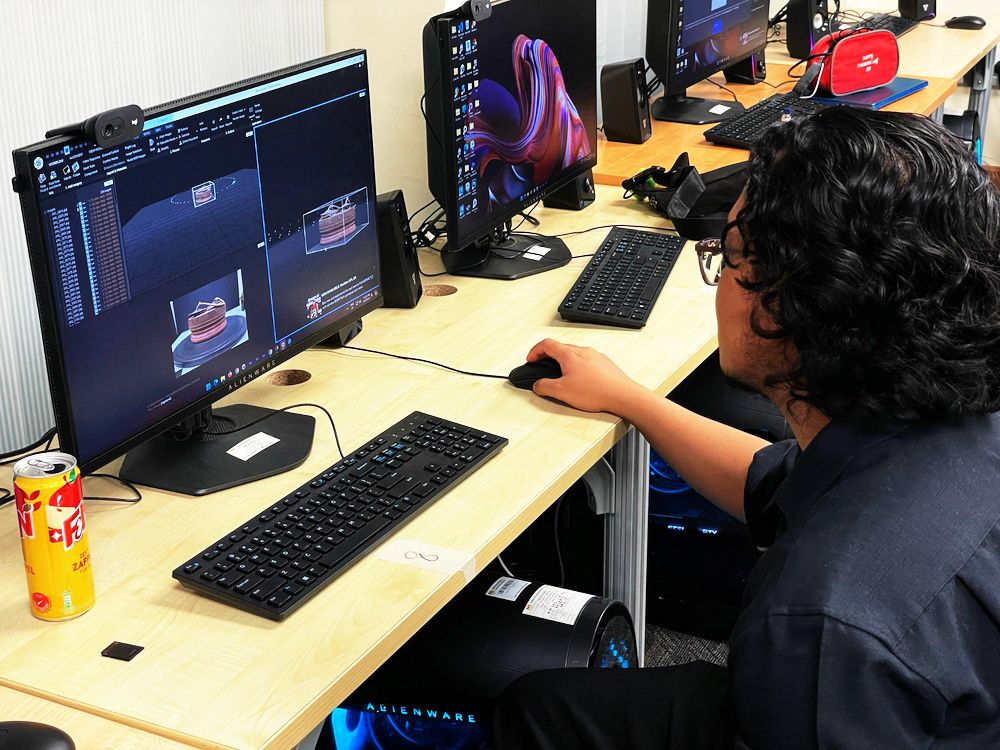
One example comes from the National Academy of Arts, Culture and Heritage (Aswara), which has been working to digitise Malaysian cultural artefacts through photogrammetry, a process that combines images of an object to form a 3D model.
In the long run, these digital cultural assets are meant to become available to the public, both to view and iterate, helping carry Malaysian cultural heritage into the future while making it more accessible and visible.
According to Siti Noraisyah Abdul Rahman, dean of Aswara’s faculty of animation and multimedia, the initiative goes far beyond simple preservation.
“It’s not the mere safeguarding of cultural heritage – it’s also to introduce it to a younger generation. Whatever emerging behaviour, trends, or technology, we synthesise that through our practice,” she says.
Currently, around 40 digitised models are already available for public viewing through the Malaysia Digital Economy Corporation’s IP360 Metaverse, with the team hoping to expand the collection to over 100 by next year.
Also in the pipeline is the Digital Heritage Sandbox (DHX) project – undertaken by Aswara and funded by the Tourism, Arts and Culture Ministry – which will make the collection downloadable for wider use.
“Once they download the assets, they can make alterations – improve them, simplify the look, or something along those lines,” director of Aswara’s Future Creative School Dr Jazmi Izwan Jamal says, adding that further changes to suit a certain art direction or style are also allowed, so long as the original model is properly credited.
Cultural connections
When it first kicked off early last year, Aswara’s photogrammetry programme began as a follow-up to its motion capture efforts, which allowed virtual characters to perform using motion data of art forms such as the Mak Yong and Randai folk theatre.
“Most of the time, the knowledge will be passed down through oral tradition, so what we do is try to translate that into a digital format.
“For example, with the Mak Yong Metaverse, the biggest limitation that we had was trying to translate ‘angin’. In a physical performance, you can feel the ‘angin’, or soul of a certain performance,” Siti Noraisyah says.
Attention then shifted to creating digital assets of the props and costumes from those traditional performing arts, which could then be used in virtual performances.
Jazmi says that this could, in a way, immortalise these art forms while also making them far more accessible.
“We took on this issue because some of the traditional heritage purists feel that it is taboo for them to venture into the future.
“We try to help them realise that whatever they perform, they need to consider the younger audience – digital natives – who are out there in the market, but they can’t reach with what they are doing.
“So when we shared these thoughts with them, we told them, ‘hey, we know your focus is on performing, but you don’t want the art form to die out’,” he says.
The initiative started off with Mak Yong, due to it having been recognised on the United Nations Educational, Scientific and Cultural Organization’s (Unesco) list of intangible cultural heritage. The traditional Malay theatre form also marked the first Malaysian addition to the list in 2008.
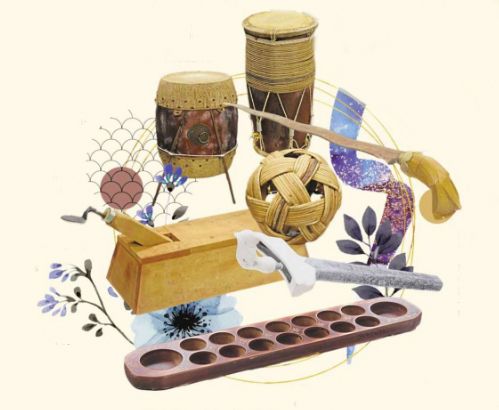
Since then, the initiative has grown to include a wider range of Malaysian cultural artefacts, including items like the keris and even longhouses, with a long-term goal of creating government-owned digital assets that can be used by creatives in video games, animation and metaverse projects.
“Our intention is to build a Lego house for them, with the props and everything to play around with.
“So they may bring it to their game development work, or animation work, or virtual simulation work, with any sort of emerging technologies.
“It’s going to be public domain, registered under and owned by the Malaysian government for everyone to use,” Jazmi says.
According to Siti Noraisyah, the seeds for this project were planted all the way back in 2017 through a collaboration with the Asean Committee on Culture and Information.
At the time, Aswara held a Masterclass on Virtual Reality Cultural Heritage Storytelling using virtual reality headsets, which gave them their start in exploring how technology could be used to preserve and share cultural heritage.
Making our mark
Looking at the big picture, both Siti Noraisyah and Jazmi hope that the initiative will lead to a greater consumption of Malaysian culture along with the formation of a stronger national identity.
“Going back to cultural identity, think about the gendang. There are so many different variations of it. If you don’t know the background, you might just look at it and think, ‘Oh, this is just a drum, just a percussion instrument’.
“But in reality, each variation carries its own narrative and cultural identity, its own sense of belonging,” Siti Noraisyah says.
Jazmi believes this sense of awareness and cultural practice can be nurtured through the active consumption of Malaysian culture, giving people the chance to identify with it and make it part of their own identity.
“We’ve also identified Malaysians around the world whose parents are from here but who were born elsewhere – maybe in Dubai, maybe in the United Kingdom,” he says.
He adds that they still identify with Malaysian culture and consume the country’s products, but they can’t really connect with the culture through things like films.
“For example, they might know that Mat Kilau exists, but how do they actually get a feel of what silat is like?” he says.
He adds that this could come in the form of portrayals in video games or animation, where elements such as silat movements could appear.
“They want to understand Malaysia better, their roots better, but it’s not in their media consumption. As game developers, animators, and creators, we need to bring Malaysian culture to that level and help break down those boundaries,” he says.
Click here to read more StarSpecial stories.