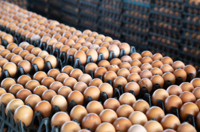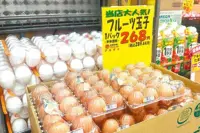
JOHOR BARU: A month after the removal of egg subsidies, traders here have started feeling the pinch.
Roadside takoyaki seller Wan Fadhilah Tuan Man, 43, said the price of eggs had gone up from around RM9 to RM12.99 per tray since the subsidies were removed on Aug 1.
“I use 15 Grade B eggs on average each day to prepare the mixture for the snack and sometimes it increases depending on my sales.
“Although the recent rise in egg price has made my operating costs higher, I’m maintaining my price.
“I’m getting a smaller profit because other expenses are also piling up such as the price of flour and cooking oil,” said the single mum who runs a stall at Bandar Baru Uda.
Wan Fadhilah said she thought about raising her prices but she is also worried she may lose her customers.
“It’s tough for me as I depend on my stall for income so I really hope that egg prices can be controlled.

“I also hope the public understands if small traders like us are eventually forced to raise prices,” she added.
Kopitiam owner Han Jun Kwang, 36, also hoped egg prices remained stable so he could maintain his prices.
“I run two kopitiam outlets in Permas Jaya and Mount Austin, and our egg usage depends on whether it is a weekday, weekend or public holiday.
“Usually, we use about three trays of eggs,” Han said, adding that he is not raising his food prices yet.
“However it may be necessary if things change in the coming months.”
Meanwhile, 45-year-old R. Nanthan, who has been operating a catering service since 2007, said eggs are staple items for bulk cooking as he uses about 15 crates of eggs daily for his two outlets.
He said the increase in egg prices has affected his business, especially when handling large orders as customers are more sensitive to price and portion changes.
“We sometimes adjust the recipes to match the customer’s budget. For example, using fewer eggs when preparing bulk fried bee hoon or other large dishes.”
Nanthan has called for better price monitoring and stabilisation measures, saying subsidies only offered temporary relief.
“Operators and consumers need protection from sudden spikes. Otherwise, it’s very difficult for us to plan long-term,” he said.
Johor Small and Medium Poultry Farmers Association president Lim Ka Cheng said egg prices have increased mainly due to the rising cost of chicken feed.
“Prices have gone up to cover farmers’ production costs as they have to pay more for raw materials while still ensuring enough supply for the market.
“Our farmers rely heavily on imported chicken feed ingredients, especially corn and soybean meal, but global supplies have dropped due to the ongoing Russia-Ukraine conflict,” he said.
The government discontinued the egg subsidy on Aug 1, after spending around RM2.5bil from February 2022 to support the industry.