
THEY train year-round, don traditional attire with pride and perform across the globe as living embodiments of Malaysia’s multicultural spirit.
Meet the dancers of Kuala Lumpur City Hall (DBKL) whose every move tells a story of unity, identity and home.
Every time Natasha Idris Silva, 41, and Kesavaen Krishnamoorthy, 32, take the stage, they are not just performing a routine; they are representing Malaysia.
As full-time dancers with DBKL’s Culture, Arts, Tourism and Sports Department, the duo have performed around the world, donning costumes as diverse as the country itself, from kebaya, qipao, saree and kurta to marik empang and kain kebat which are traditional wear for Iban women, and babaru puputul, the distinctive Murut male costume that is traditionally worn by warriors from Sabah and Sarawak.
For them, Merdeka isn’t just marked once a year. It lives in every performance, especially when overseas audiences stop them after shows, eager to learn more about the vibrant, multicultural nation they proudly showcase on stage.
Natasha and Kesavaen are part of DBKL’s 52-member dance troupe – 29 women and 23 men – who perform at major national and international events all year round.
Aged between 19 and 41, the dancers dedicate themselves fully to their craft, showcasing the richness of Malaysia’s cultural heritage on the world stage.
“I’ve performed in every country in Asia and across Europe, and no matter what costume I’m wearing – Malay, Chinese, Indian or from Sabah or Sarawak – the pride and joy of representing my country is always just as powerful.
“Each time I take the stage, I’m not just dancing; I’m telling Malaysia’s story,” said Natasha who hails from Perak.
“People often come up to us after a performance to take photos and ask about our country.
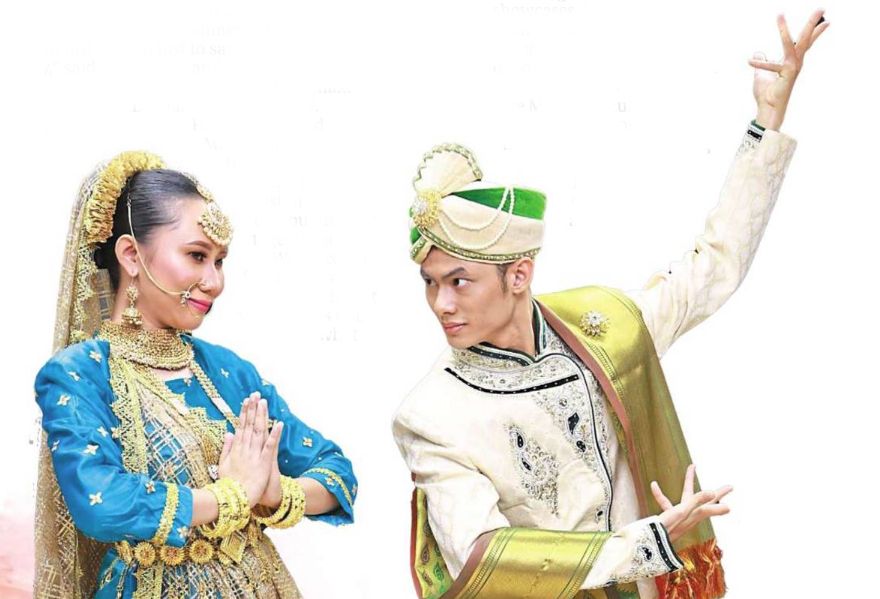
“Many say they’ve never seen anything like our shows before. That’s when we know we’ve left an impact,” said Kesavaen who is from Kuala Lumpur.
“It’s a wonderful feeling to be appreciated for our differences, and we experience that a lot when performing abroad,” said Haslinda Abdul Halim, 36, from Ipoh.
“It makes me so proud to see people enjoying our shows and wanting to know more about us.”
Adam Khaiqal, 31, from Selangor, said: “The support we receive overseas really boosts our morale, especially when we’re far from home.”
Fellow dancer Siti Aishah Mustapha Kamal, 25, shared how some of her most treasured moments were the ones after the curtain falls.
“Sometimes, audience members come up just to say thank you. They admire our clothes and ask questions about our dances and cultures, which makes me proud to be Malaysian,” she said.
For 21-year-old dancer Nor Muhammad Hijjahie, the strength of the troupe lies not just in their talent, but in their togetherness.
“We all come from different backgrounds, but we move as one. That’s what Malaysia is about: unity in diversity,” he said.
Ninie Marlina Ahmaden, 31, agreed: “When I dance alongside friends from different races and states, wearing each other’s traditional outfits, it reminds me that unity isn’t just something we talk about; we live it on and off the stage.”
DBKL dance trainer Malinda Mohamed, 54, who has been with the troupe for decades, said the work never stopped, but neither does the passion.
“It’s a constant cycle of rehearsals and performances. We’re busiest during peak periods like Federal Territory Day, the festive seasons, Merdeka, Malaysia Day and events like KL Genta Festival,” she said.
“It’s hard work but thankfully, they all love what they do,” she added.
DBKL has made culture, music and tourism key pillars in its agenda in the lead-up to Visit Malaysia 2026.
The city is planning a multitude of lifestyle programmes throughout the year, including art, dance and musical showcases, food festivals and cultural parades to revitalise the economy and create more opportunities for local talents.
As the dancers continue to take Malaysia’s cultural heritage to the world one step at a time, they remain a moving embodiment of Merdeka – diverse, united and proud.