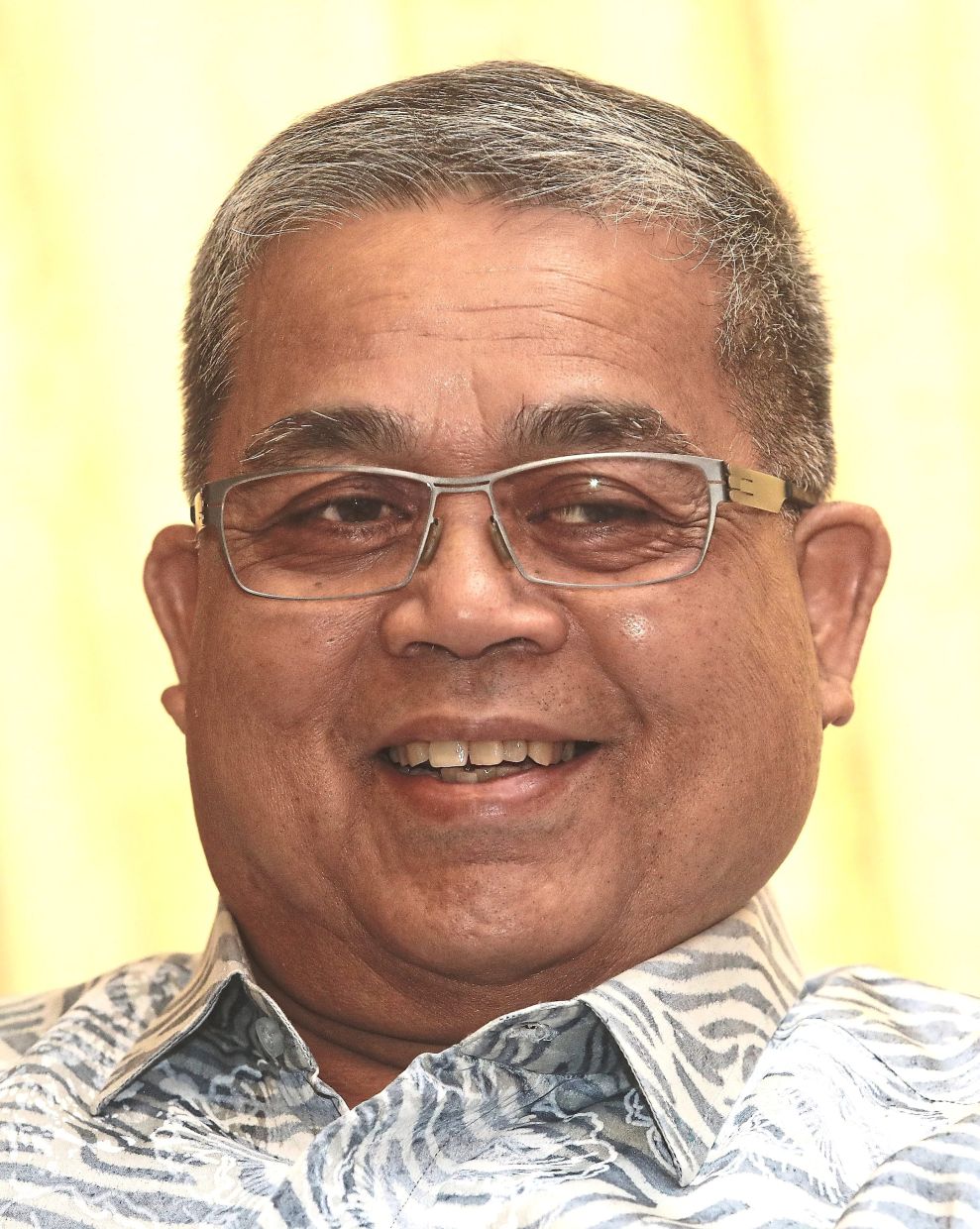
AS Malaysia marks its 68th National Day, National Unity Minister Datuk Aaron Ago Dagang sat down with The Star for an exclusive interview.
He urged Malaysians to look beyond slogans and celebrations, and start living the values of unity, harmony and mutual respect in everyday life.
Living the Rukun Negara
This National Day, Aaron reflects on the deeper meaning behind the Rukun Negara and why unity must go beyond symbolic gestures.
“Unity events bring people together, but does that necessarily make a country harmonious?” he asked.
“The real question is, are we truly living in harmony?”
That was Aaron’s candid response when asked what the concept of “Unity in Diversity” meant to him and how it has shaped his role in fostering cohesion among Malaysians.
“There’s a fine line between unity and harmony – two ideals often used interchangeably, but not always realised side by side,” he noted.
More than just a slogan
“You asked what Unity in Diversity means to me.
“Well, it’s not just a slogan. It’s a belief that guides everything I do,” Aaron said.
“Malaysia is made up of many different cultures and communities, and that’s our strength.
“But unity doesn’t happen automatically, it takes intention.
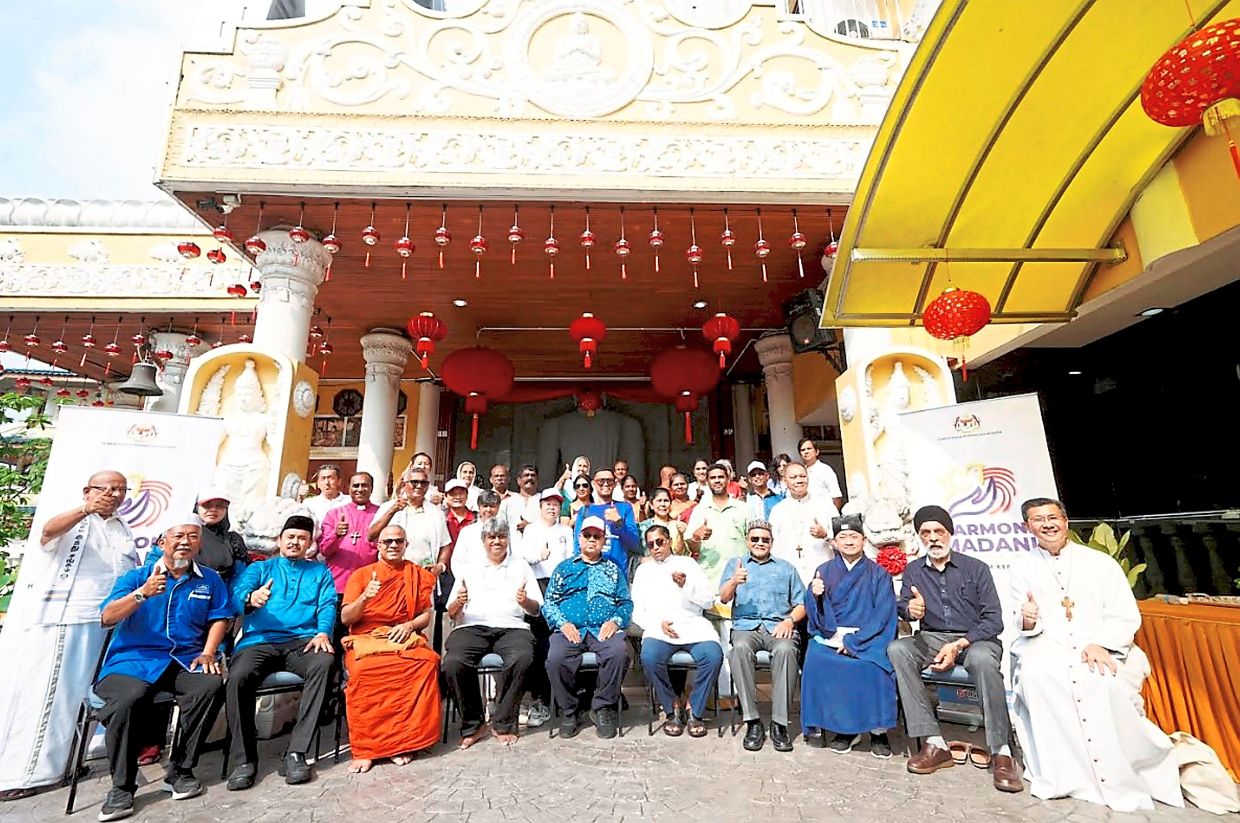
“We must be willing to understand, respect and accept one another.
“At the ministry, we practise what we preach. Our team reflects the country’s diversity. We welcome different views, encourage honest conversations and build trust from within.
“Outside (of the) government, we use education, the arts and grassroots programmes to bring Malaysians together,” he elaborated.
This year’s National Day theme, “Malaysia Madani: Rakyat Disantuni” (Compassion for the People), captures that spirit.
“Malaysia Madani, introduced by Prime Minister Datuk Seri Anwar Ibrahim, is a vision of an inclusive, ethical and compassionate nation built on values like sustainability, innovation, respect and trust.
“As for ‘Rakyat Disantuni’, it means the people are treated with dignity, kindness and care,” said Aaron.
“To me, that’s what harmony looks like. It’s not just about coexisting, it’s about connecting. It’s about showing up for one another across race, religion and region. That’s unity in diversity.
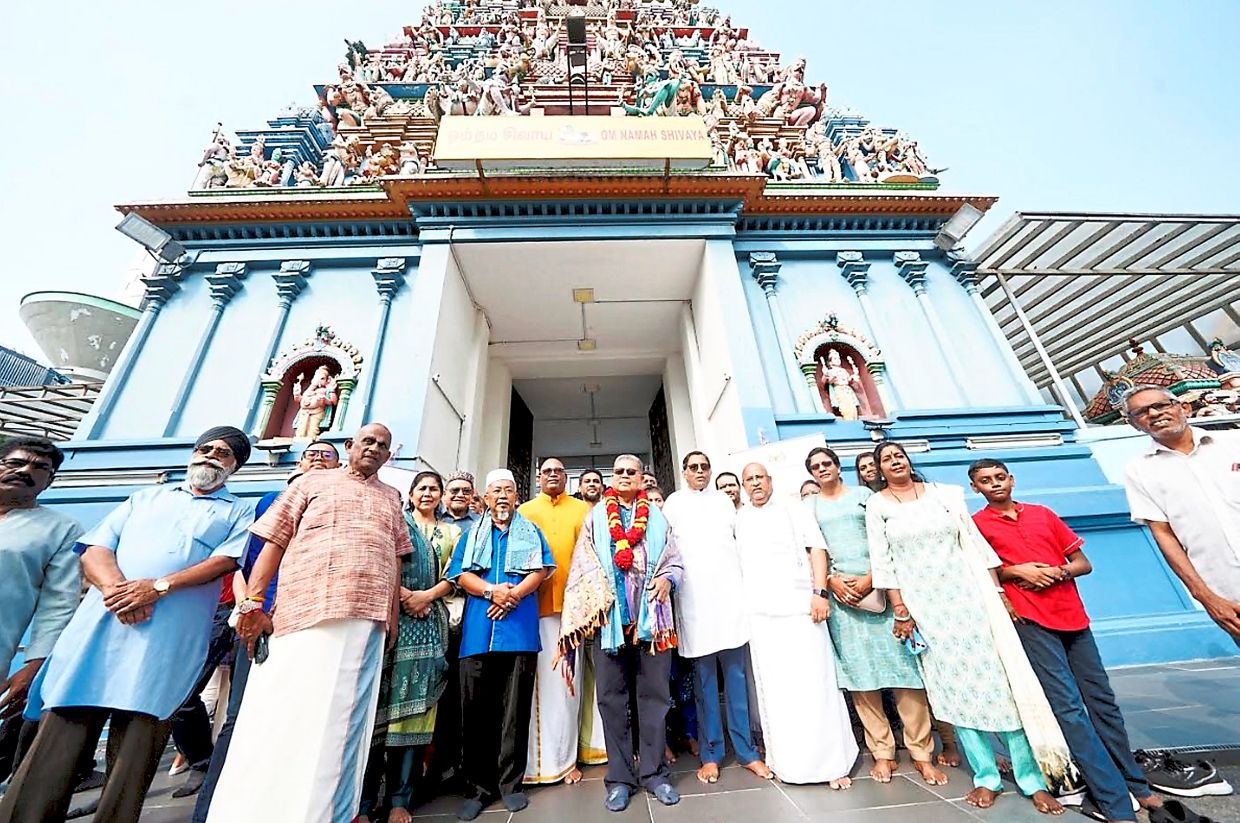
“We are a diverse nation and naturally, there will be moments of misunderstanding.
“That’s why we must always return to the enduring principles of the Rukun Negara, not just during official events but in our daily lives,” he emphasised.
Aaron also reflected on the country’s history and the lessons learned from its darkest chapters.
“We have had periods of bloodshed, a stark contrast to the ideals we aspire to today. It was from those painful moments that the government introduced strategic policies like the Rukun Negara,” he said.
“We recite it at events, but how many of us truly live by its values?”
The five principles – Belief in God; Loyalty to King and Country; Supremacy of the Constitution; Rule of Law; and Courtesy and Morality – were introduced after the May 13 tragedy and remain, in Aaron’s words, “the nation’s moral compass”.
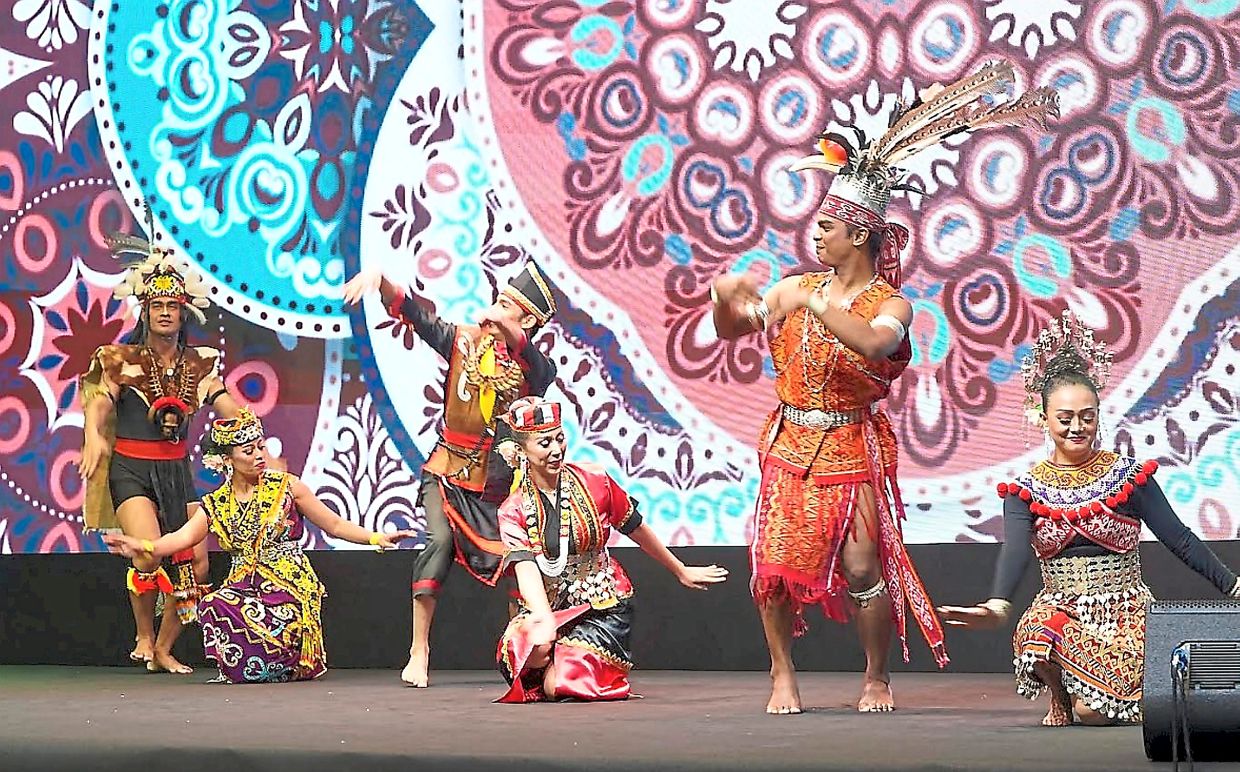
Building unity takes work
“Unity is not something we inherit, it’s something we build, nurture and renew,” said Aaron.
“It also requires effort. If we don’t practise understanding, respect and acceptance, then ignorance becomes our biggest obstacle.
“It’s like living under a tempurung (coconut shell), unaware of the world beyond. When you shut yourself off, you start believing only your way is right, and rejecting how others live or think.
“That’s why we always say: get to know your neighbour. Accept their culture. Respect their beliefs. That’s the essence of unity.”
Aaron also flagged growing concerns over social media.
“Even a simple TikTok video can spark tension. Social media is a dilemma for us.
“Yes, we have agencies to monitor it, but it remains a serious concern,” he acknowledged.
Unity on the ground
“It’s easy to talk about unity, but what does it actually look like?” Aaron asked.
“It’s not about slogans or big speeches. It’s about people coming together in everyday settings – from kindergartens to kampung, from museums to markets.”
One of the ministry’s flagship initiatives is Unity Week, held annually in every state, with one state selected to host the national-level celebration.
This year, Penang hosted the event from July 17 to 20, featuring over 100 activities that ranged from food fairs to public forums.
The highlight was the “Jelajah Kembara Perpaduan”, a nationwide tour that carried the message of respect, understanding and togetherness.
Unity begins young
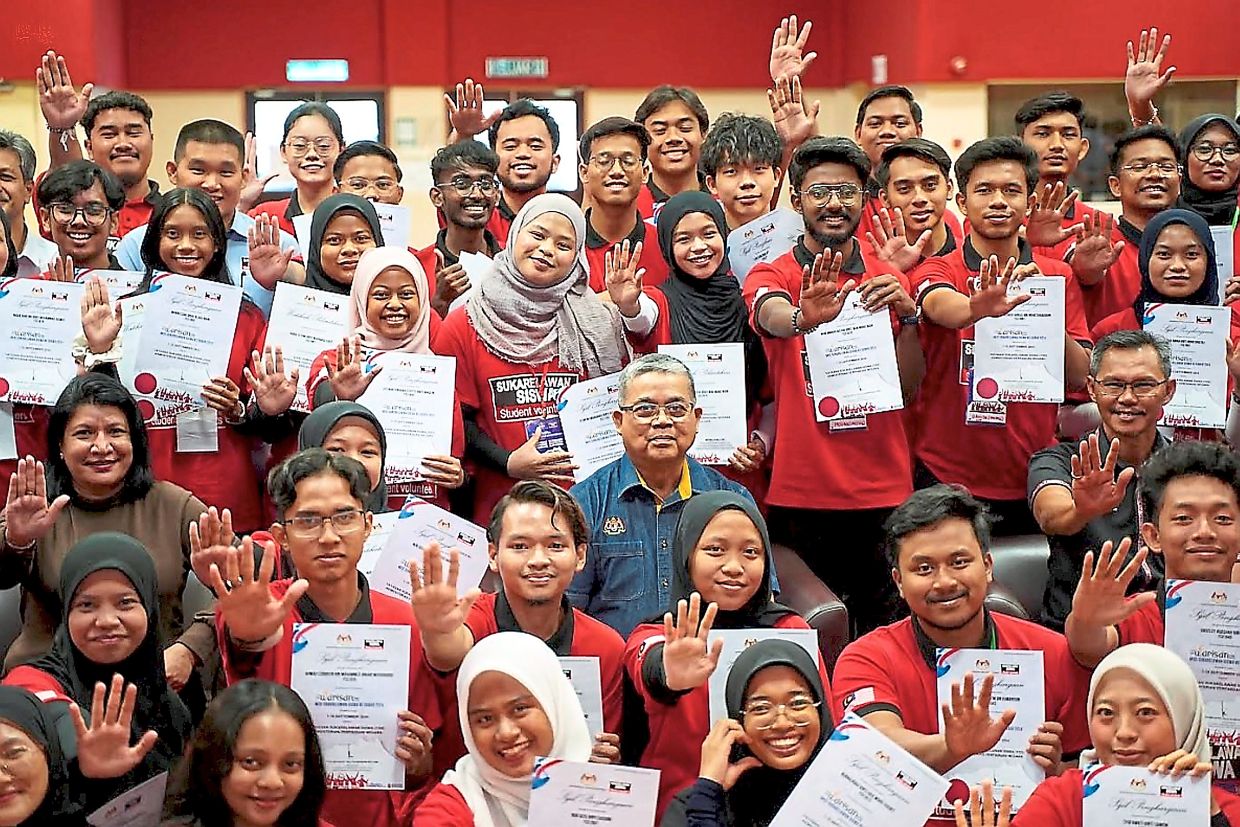
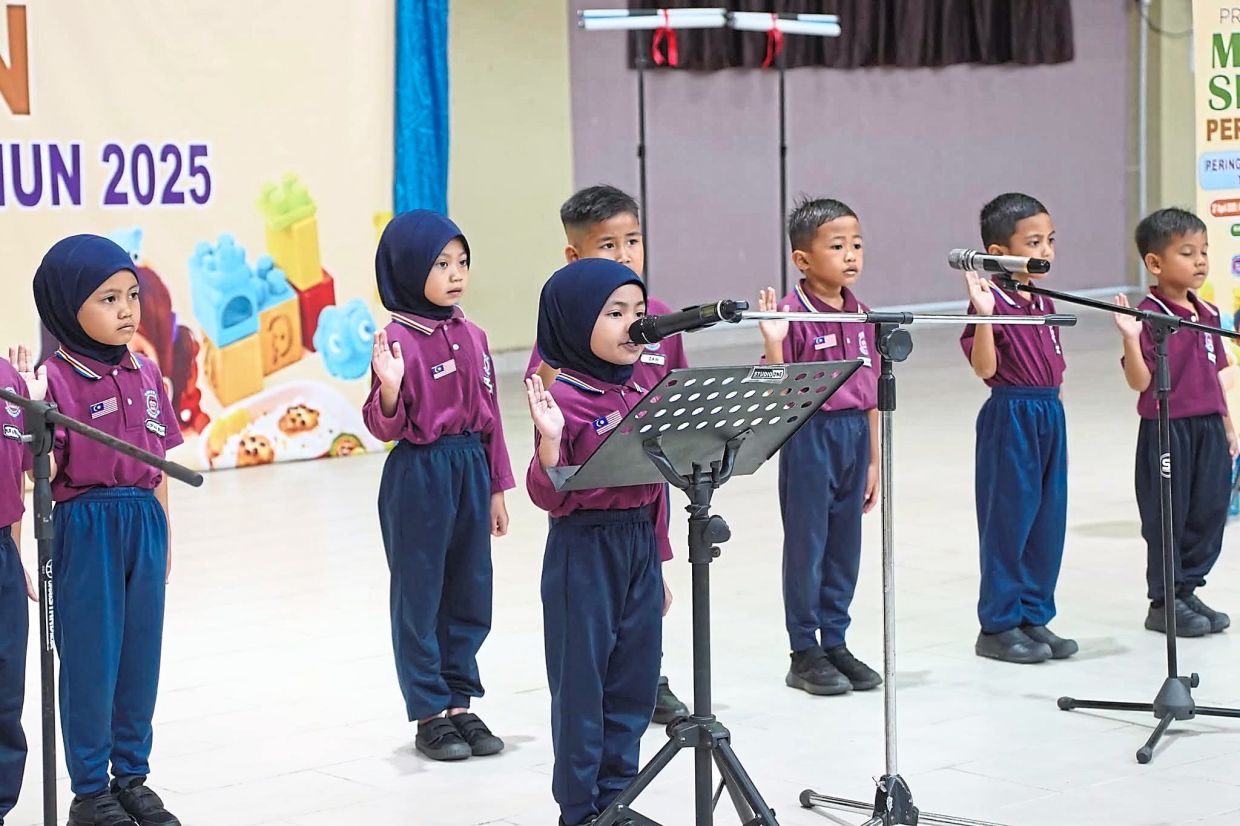
“If you want to build unity, start young,” said Aaron. “That’s why the ministry operates 1,741 Tabika Perpaduan (Unity Kindergartens) centres nationwide.
“These aren’t just any preschools,” he pointed out. “They’re intentionally multiethnic spaces where children learn and grow together.
“It’s a gentle yet powerful way to raise children who understand kindness, respect and shared identity.”
Another initiative is the “Bahasa Kolokial” series, which celebrates the dialects Malaysians use to communicate.
“Unity isn’t just in policy. It’s also in the way we speak – Sabahan slang, Kelantanese expressions and Penang street talk. These words carry culture and memory,” said the minister.
Since 2023, 11 forums have been held nationwide, culminating in the 2024 National Convention on Colloquial Language which gathered linguists, community leaders and everyday Malaysians in an effort to preserve local dialects before they vanish.
Empowering communities
The Unity ministry also supports more than 10,000 Kawasan Rukun Tetangga (KRT) across the country under its Progressive KRT Empowerment Programme.
“These began in the 1970s to foster social harmony and address local issues. Today, they’re platforms for community business and leadership,” said Aaron.
With funding, training and resources, some KRT have launched food stalls and urban farms. As of 2024, 152 had been recognised for their success.
“When locals are empowered, they come up with the best solutions,” Aaron added.
History comes alive
Another crowd-favourite is Citra Nusa @ Museum, a programme that brings history to life through crafts, storytelling and overnight stays in museums.
“In partnership with the Department of Museums Malaysia, we invite students to spend the night at a museum and explore Malaysia’s cultural roots.
“Imagine spending the night in Lembah Bujang, surrounded by 1,500 years of history.
“It’s not about memorising dates. It’s about feeling connected to the people and legacies that shaped us,” Aaron highlighted.
A Merdeka message from the minister
“This National Day, let us remember that independence is not just a celebration of the past, but a responsibility for the future,” Aaron reminded Malaysians.
He also had a powerful reminder for the people: “Merdeka is more than a date in history; it is a daily commitment to living with empathy, respect and shared purpose.
“True freedom comes when we stand united, not despite our differences but because of them. Let us embrace our diversity with pride, practise mutual respect and build bridges of understanding.”
He called on all Malaysians, from community leaders to politicians, from youth to everyday citizens, to rise above narrow interests and divisive rhetoric.
“The responsibility on our shoulders is immense. We must be the custodians of unity, the defenders of harmony and the champions of a future where no Malaysian is left behind,” he said.
Leadership, he stressed, must be grounded in the values of the Rukun Negara.
“These aren’t just words. They are our national contract.
“Happy National Day!”