PETALING JAYA: From stricter homework rules to nationwide vision screening, other countries are rolling out strategies to curb the rise of myopia, or shortsightedness, among children.
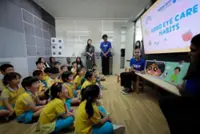
According to Singapore’s Health Ministry, the Health Promotion Board’s National Myopia Prevention Programme conducts regular screenings in preschools and schools.
ALSO READ: Too many kids with eye problems
The initiative also runs public campaigns and workshops to help parents instil good eyecare habits in their children while encouraging outdoor play.
Children who need glasses are referred to specialists, with subsidies and free lenses provided to those from lower-income families.

In China, myopia prevention has been elevated to a national strategy, involving multiple ministries and strict accountability measures.
Schools are required to reduce homework, impose stricter limits on screen time, and ensure students spend at least two hours outdoors daily.
The government has also expanded optometry training, tightened regulations on products making false claims, limited for-profit cram schools, and launched campaigns urging families to adopt healthier eyecare practices.
ALSO READ: Keep an eye out for red flags, parents urged
In Japan, eye health awareness is reinforced through “Eye Protection Day” every Oct 10, led by the government and the Japanese Ophthalmologists Association.
Schools and homes also conduct educational programmes to instil better eyecare habits from a young age.
While many countries are stepping up prevention efforts, a global study warns that more than half of the world’s teenagers could be short-sighted by 2050.
The research, published in the British Journal of Ophthalmology, found that the prevalence of myopia has already tripled since 1990, with nearly one in three children and adolescents worldwide now affected.
If current trends continue, some 740 million young people may struggle to see clearly at a distance within the next 25 years.
East Asia remains the epicentre of the problem, with Japan reporting nearly 86% of children being short-sighted, followed by South Korea at 74%, and Russia at 46%.
The Covid-19 pandemic further accelerated the problem, as children spent long hours indoors and on digital devices at the height of the pandemic when movement was restricted.
Experts warn that without urgent intervention, modern lifestyles dominated by screens, early schooling, and limited outdoor time will continue to fuel a surge in short-sightedness among the next generation.