
WHEN Yoshio Baba, 74, and his son Takao, 41, stood among locals and foreign guests at the Sandakan Day Memorial last Friday, they represented something rarely seen before – Japanese descendants of those who once commanded here, now returning to remember.
Their great-grandfather, Masao Baba, commanded Japanese forces in Borneo during World War II and was executed in 1947 for war crimes.
For the Baba family, however, the journey to Sabah has been less about defending him and more about confronting the silence that had lingered in their family for generations.
The family believes Masao was a victim of political forces in Japan, sent to Sandakan to continue leading the death march – though they remain convinced he did not start it.
For decades, their great-grandmother had kept the story hidden, considering it too painful to tell.
It was only about 10 years ago, when Yoshio’s cousin began digging into the past after seeing their family sword displayed at the Australian War Memorial, that the truth slowly resurfaced.
Two years ago, Yoshio and Takao came to Sabah for the first time. The following year, they attended the Anzac Day ceremony in Sandakan – the first Japanese family to ever lay flowers at the memorial.
At first, they were nervous. Would they be welcomed, or would their presence stir resentment?
To their relief, they found nothing but warmth.
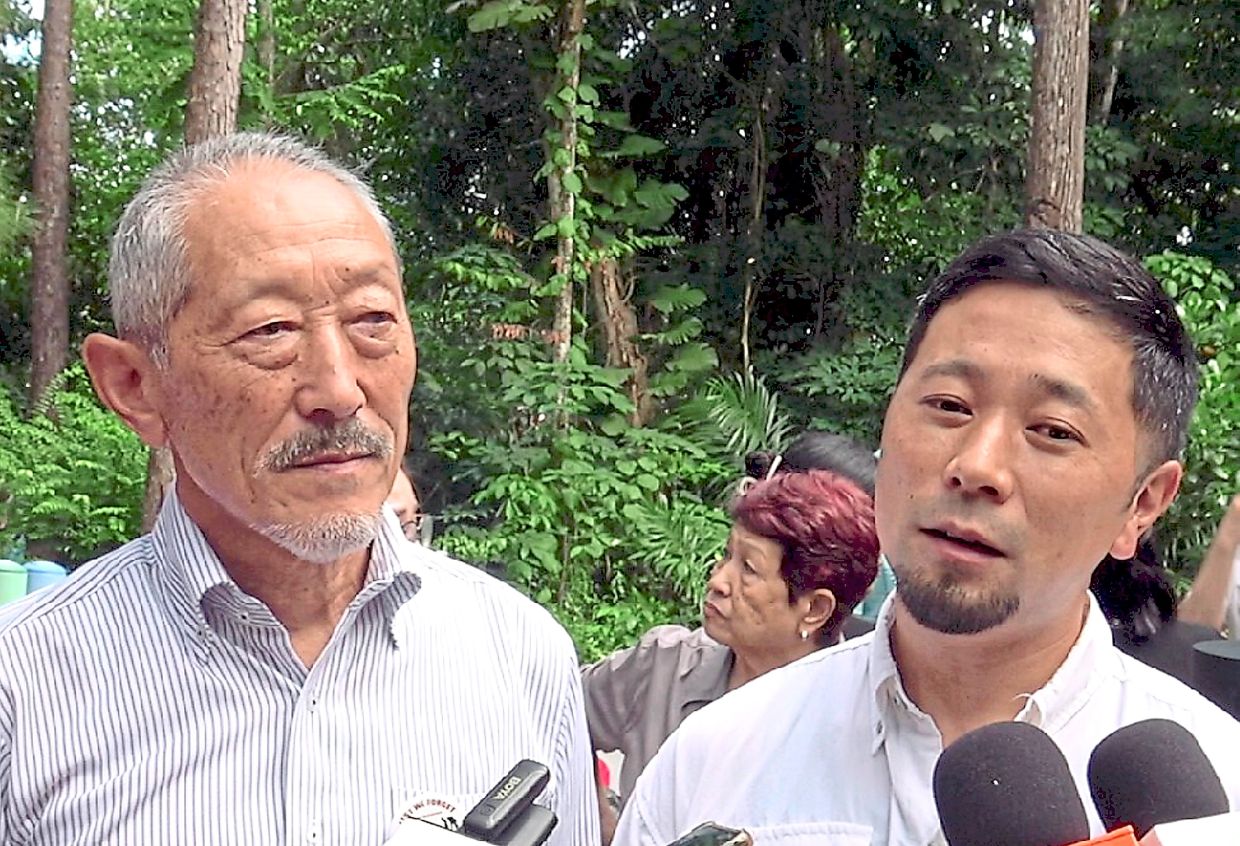
“We definitely feel welcome. We’re not scared to come here anymore. No negatives at all,” Takao said.
For Yoshio, the decision to come was more than symbolic.
He felt a responsibility not only as a grandson of Masao, but also on behalf of his late cousin, who had long wanted to visit Sandakan but never managed to before his death.
The Babas carry sorrow for all who suffered in the war – Malaysians, Australians, British and Japanese soldiers alike.
“Even Japanese soldiers didn’t want to die here. Everyone wanted to live, but it was war,” Yoshio reflected through his son’s translation.
The Sandakan Death March remains one of World War II’s most harrowing episodes in South-East Asia.
In early 1945, as Allied forces advanced, more than 2,400 Australian and British prisoners of war were forced to march some 260km through Borneo’s unforgiving jungles from Sandakan to Ranau.
Starvation, disease and brutal treatment claimed almost every life. Only six Australians survived – all escaping with the help of locals. None survived by completing the march.
The atrocity stands as the deadliest suffered by Australian servicemen during the war.
Every year on Aug 15, the Sandakan Day Memorial pays tribute to those who lost their lives – both prisoners of war and local civilians who suffered under Japanese occupation.
Sandakan, the seaside town in Sabah’s east, was where thousands of PoWs were held in camps during the war.
The memorial sits at the site of the former PoW camp, where prisoners endured years of hardship before being sent on the fatal march.
For Sabahans, it is a day of reflection and remembrance, ensuring that the sacrifices of their parents and grandparents are not forgotten.
For Yoshio and Takao, being present at the ceremony carried a special weight.
Much of the global attention on the Sandakan Death March focused on the Australian and British prisoners of war, but Yoshio stressed that the tragedy also unfolded on Malaysian soil.
That, he said, is why the Japanese need to learn more about Sabah’s role in the war.
“We want to continue this, not just for ourselves but for Japan,” he added. “I hope more Japanese will come here in the future.”
Takao echoed him: “Step by step, slowly, but progress is being made. By coming here, we hope to inspire other Japanese families to also face this history, together with Sabahans.”
For the Babas, Sandakan is no longer just a site of inherited shame. It has become a place of connection – where the descendants of those once tied to war now stand as fellow mourners, welcomed and quietly encouraging others from Japan to follow in their footsteps.