KOTA KINABALU: Fig trees may look ordinary to the untrained eye, but in Sabah’s forests they are nothing short of a buffet for wildlife ranging from orang utans to hornbills.
Shavez Cheema, founder of non-profit 1StopBorneo Wildlife, said there are still some who doubt the function of these fruit trees or question their effectiveness for conservation.
To prove their importance, his team, with the support of Sabah Parks and conservation partners, recently set up camera traps on fruiting fig trees in Tawau Hills National Park.
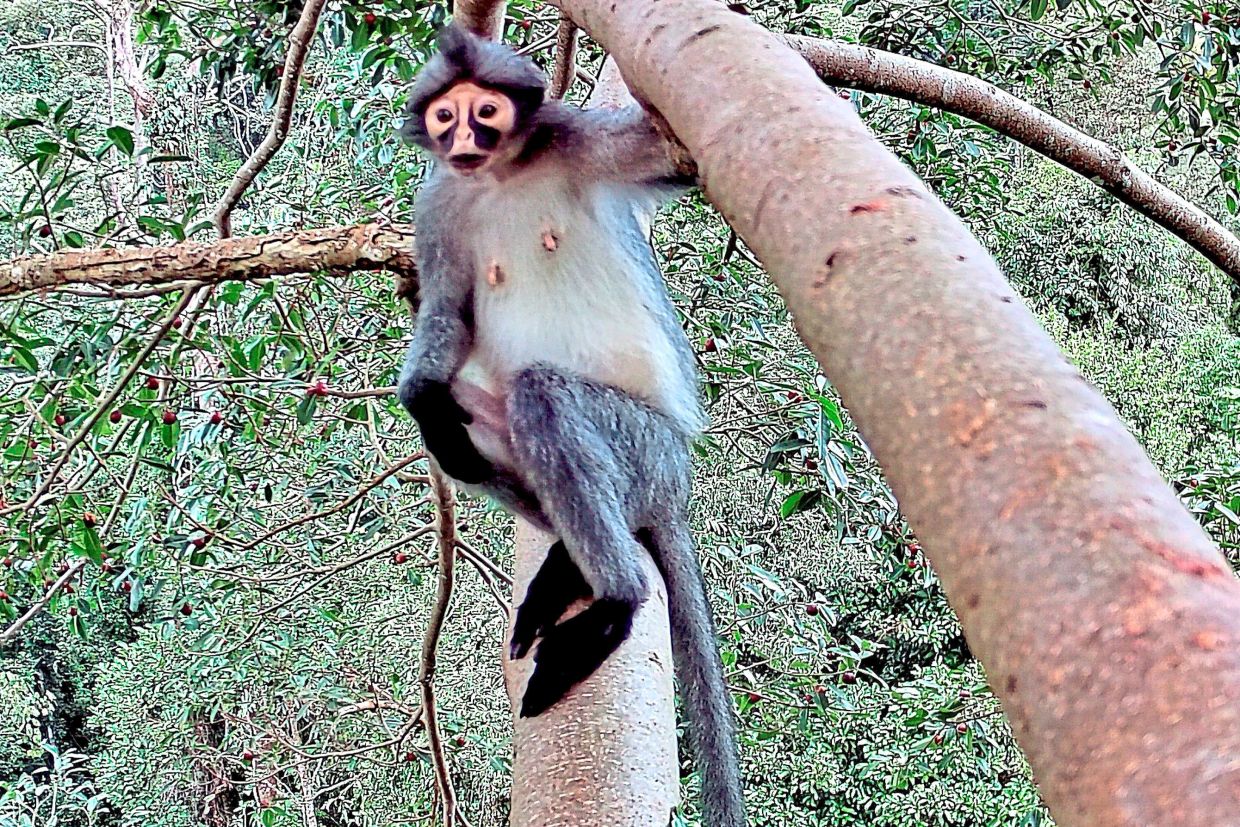
Within just two weeks, the cameras captured thousands of snapshots: endangered orang utans, helmeted hornbills, binturongs, gibbons, flying squirrels and leaf monkeys feasting on figs.
“Figs are high-value trees which should never be cut down. Since they are wildlife’s favourite food, these trees are the best to plant,” said Shavez.
Because figs are such a reliable food source, 1StopBorneo Wildlife has launched an initiative to rescue fig trees growing on abandoned and commercial buildings in cities and give them new homes in degraded forests.
This initiative first started about two years ago, Shavez said, after being inspired by a similar effort by another non-governmental organisation in the state.
“We will be having another fig removal programme in Tanjung Aru and Sinsuran Kota Kinabalu on Aug 18 and 19,” he said, adding that the collected figs will be planted at degraded forest sites in areas such as Tawau, Kota Belud and Telupid.
The project has also become a window into the secret lives of Sabah’s wildlife.
The camera traps, installed with the help of local climber Adzley Madran, also known as Gibie, have revealed not only feeding habits but also how animals disperse seeds through their droppings.
Shavez said the images can help conservationists learn more about the different species and the environment in the study areas.
Sixteen more cameras are now in place in Telupid and set to be collected in early September.
Battery-powered, each unit can run for up to three months, quietly watching over the forest feast.