KUALA LUMPUR: Asean Foreign Ministers hailed the Asean–Canada Free Trade Agreement (ACAFTA) as a vital platform to unlock deeper economic collaboration in digital trade, artificial intelligence, green technology, and clean energy, says Wisma Putra.
The sectors are seen as critical to the region’s sustainable and inclusive growth, it added.
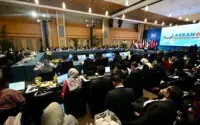
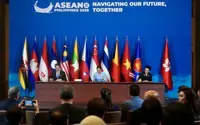
This came during the Asean Post-Ministerial Conference with Canada, co-chaired by Lao Foreign Minister Thongsavanh Phomvihane, in his capacity as Country Coordinator for Asean-Canada Dialogue Relations, and Canadian Foreign Minister Anita Anand.
The one-hour session brought together Asean’s top diplomats as part of a broader effort to strengthen regional ties with like-minded partners at a transformative juncture in global affairs.

Wisma Putra said that ministers from across Southeast Asia acknowledged the “positive momentum” in ongoing ACAFTA negotiations and the agreement’s potential to catalyse cooperation in high-growth, future-oriented sectors.
The deal, when concluded, is expected to serve as a key economic pillar within Canada’s Indo-Pacific Strategy, offering a framework to align regulations, foster innovation, and enhance regional resilience.
“ACAFTA is more than a trade agreement—it’s a strategic enabler of Asean’s long-term vision for a digitally advanced, green, and inclusive regional economy,” said the ministry in a statement on Thursday (July 10).
Wisma Putra also said that the ministers voiced interest in leveraging Canada’s technical strengths through existing initiatives such as the Asean Plan of Action for Energy Cooperation (Apaec) and looked forward to the formal adoption of the Asean-Canada Plan of Action (2026–2030), which will map out concrete steps for collaboration in the next five years.
Beyond economic matters, the session also touched on shared values and global challenges.
“Malaysia voiced deep concern over the worsening humanitarian crisis in Gaza and reiterated the urgent need for a ceasefire.
“Malaysia emphasised the importance of upholding a fair, rules-based international order grounded in international law and UN resolutions,” said the ministry, adding that Malaysia called on all parties to exercise restraint and underscored the need for a balanced and constructive approach in pursuit of lasting peace in the Middle East.