
PUTRAJAYA: The first phase rollout of the much-awaited diagnosis-related group (DRG) payment model is planned for next year, says Datuk Seri Dr Dzulkefly Ahmad.
The Health Minister said DRG’s implementation is planned incrementally, with its first phase focusing on minor cases.
“It will take time but we plan to expand it to cover more complex cases.
“The implementation will be linked to the planned introduction of the basic medical and health insurance/takaful products,” he told a press conference at the ministry yesterday.
Dzulkefly said patient categorisation under DRG will follow the World Health Organisation’s existing International Classification of Diseases system.
“The implementation of DRG would be governed directly under the recently-formed joint ministerial committee on private healthcare cost,” he added.
The committee is co-chaired by Finance Minister II Datuk Seri Amir Hamzah Azizan and Dzulkefly with the goal of reducing private healthcare costs and medical inflation.
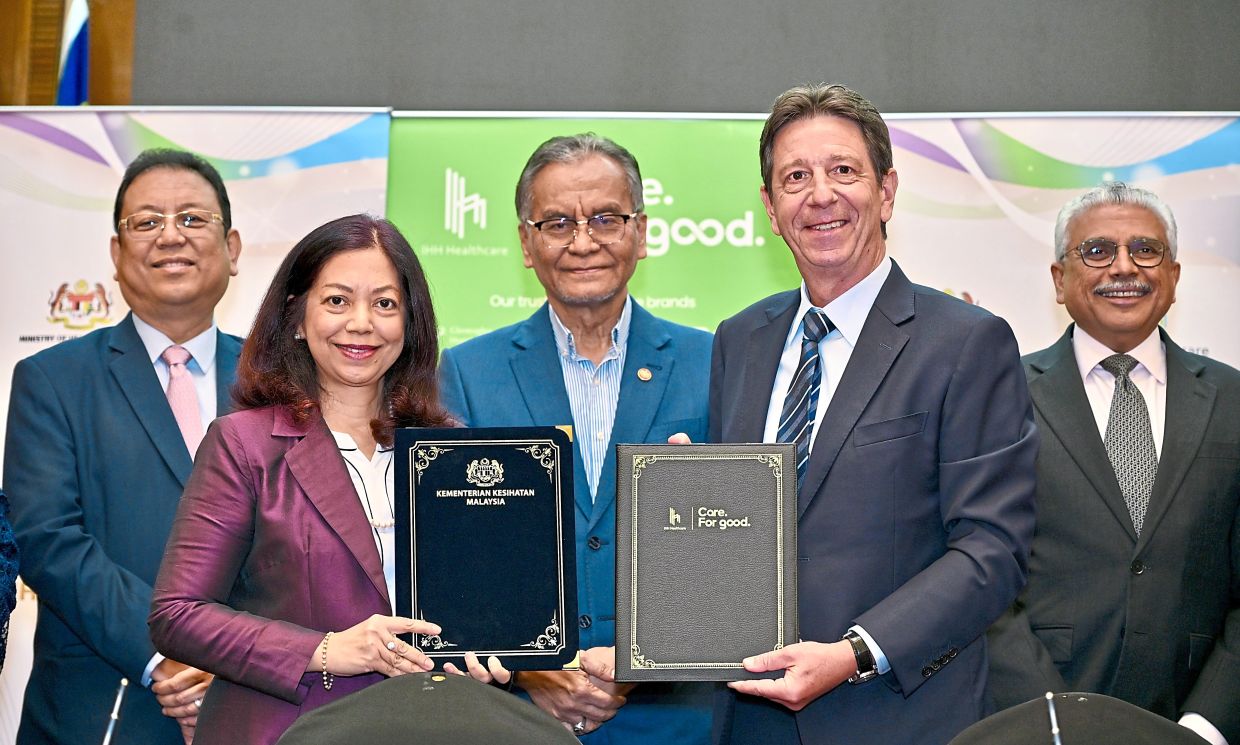
Dzulkefly also said that there has been a warm reception of DRG’s planned implementation from across healthcare industry stakeholders without any major issues expected.
“There may be glitches or hiccups when DRG is implemented but I believe we will be able to finetune it with the support from all stakeholders,” he said.
Under the DRG payment model, hospital patients will be categorised into groups based on diagnoses, procedures and expected length of stay.
A payment rate will then be fixed for each of these groups, meaning patients will only have to pay standardised rates for treatment instead of being charged depending on how many services they are provided in hospitals.
Dzulkefly also addressed concerns that the ministry’s Rakan KKM programme signals a privatisation of public healthcare, noting that it will only apply to elective patient cases.
“Rakan KKM is not a privatisation programme as it does not use private funds but is a government investment financed by government-linked investment companies.
“It is designed to provide patients with non-emergency or elective cases the ability to expedite their elective procedures, while for emergency cases everyone will still receive equal treatment without any priority.
“This means patients with elective cases will now have the choice to either wait in the regular queue or get faster services through Rakan KKM,” he said.
Dzulkefly said that revenue generated from the Rakan KKM programme would be reinvested into public healthcare facilities.