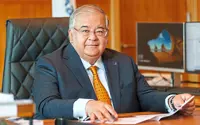
KOTA KINABALU: Historic buildings and sites are much more than just ‘old structures’ to be demolished or left to deteriorate, says environmentalist and activist Alexander Yee.
He argues that these remnants from the war or colonial era hold stories of the past, offering insights into local communities and demographic influences that should be shared, promoted, and preserved.
"Old buildings are physical links to our community’s past. They tell stories about how people lived, worked, and interacted. They often shape local and national identity," he said, urging the state government to take serious steps towards preserving monuments, buildings, and sites.
"Being in the tourism industry, I can think of the obvious benefits an old building can bring to the community. It can draw tourists to visit the location which then generates revenue to stimulate the local economy," Yee added.
His comments come in the wake of the destruction of three rows of colonial shoplot buildings in Bongawan early Tuesday (June 10), which were over a hundred years old.
"I am sad to hear that the Bongawan shoplots have recently been burnt down but glad to note that there were no loss of lives," he said.
On the topic of structural and building preservation, Yee emphasized the importance of valuing identity and culture through preserving old buildings.
"It is about valuing identity and culture. When done properly, it connects the past to the present while benefiting future generations," he said.
He also pointed out that preserving historic sites and buildings can benefit the education sector.
"For example, cultural exchange programs between nations, between states, for learning purposes, history, and understanding culture," said Yee.
"These are the types of areas which can be explored further in Sabah, but if we have nothing left to show then we cannot learn anything, correct?" he asked.
He noted that Sabah is rich in culture, nature, environment, and history, and these areas should be developed properly for economic, social, and cultural reasons.