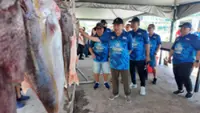
SUBU: Sarawak is pushing forward with its blue carbon initiative through a stakeholder consultation programme, involving government agencies, researchers, and non-governmental organisations (NGOs) to support conservation efforts in the Paloh and Serdeng areas of Tanjong Manis.
The initiative, led by the Sarawak Timber Industry Development Corporation (STIDC) in collaboration with Worldview Climate Solutions (WCS) covers approximately 10,000 hectares of coastal and mangrove ecosystems in the two places.
The project aims to restore degraded mangrove forests while enhancing biodiversity and improving local livelihoods.
STIDC Assistant General Manager of Sustainable Resources Management Hamzah Morshidi emphasised the importance of engaging government agencies before approaching local communities.
“Today (Wednesday, March 19), we have invited 24 agencies from across the state to discuss the roles and support needed for this project. After Raya, we will engage with the communities in Paloh and Serdeng to ensure they understand and benefit from this initiative,” he said to reporters at the sidelines during a meeting with stakeholders on Wednesday (March 19).
Hamzah highlighted that the residents in the area primarily depend on agriculture and fishing.
However, past logging activities and encroachment have impacted the mangrove ecosystem.
"The blue carbon project aims to rehabilitate these ecosystems, allowing wildlife such as dolphins and turtles to return, while also creating opportunities for eco-tourism and sustainable fisheries.
“We want to restore the area not only for conservation but also to provide long-term benefits to the local communities. The development of fishery-related tourism, for instance, could generate new income sources,” he added.
The project is part of STIDC’s Mega Schemes and is currently in the consultation and planning stage.
The project design, he envisaged is expected to be submitted to the Forestry Department before April, paving the way for the issuance of a carbon licence within two years.
“Once the carbon licence is issued, we can begin replanting and ecosystem improvement. After that, within two to three years, we can start marketing the carbon credits, with expected results by 2028 or 2029,” Hamzah explained.