

Price display not what doctor ordered


Not fee-ling it: Private clinics typically procure medication in smaller quantities.

Some want to shutter clinics over meds measure

PETALING JAYA: The contentious move mandating that private healthcare facilities display medication prices is edging closer to reality, but not without further controversy.
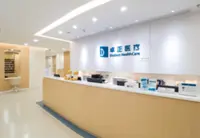
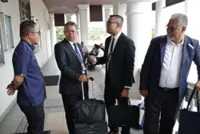
The Health Ministry has fixed Feb 27 for an Advocacy Session for the Display of Drug Prices with the bodies concerned, signalling its commitment to enforce the measure.

This has not gone down well among private medical practitioners, who say they will shut down their clinics as a sign of protest.

One large private medical entity has also come out with a demand of its own – that the government first revise the outdated GP consultation fee schedule.

“I think we have no choice but to take action. There is already talk among doctors that many of us may be willing to close our clinics in protest.

“The public needs to understand what is at stake and what we, as primary healthcare providers, are going through,” said Dr K. Siva Kumar, chief executive officer of Merpati Healthservices Bhd, which represents 550 affiliated clinics nationwide.

He said private clinics relied on medication sales to sustain operational costs such as wages, rent, buying medical equipment and for regulatory compliance.

“We are not against price display, but the priority should be revising the GP fee schedule first which has been unchanged since 1992.”

Dr Siva Kumar, when contacted, said unlike pharmacies, which benefitted from bulk purchasing, clinics procured medication in smaller quantities and integrate these costs within a comprehensive care model.

“Consultation fees have remained unchanged for over 30 years. Any regulatory change affecting clinic revenue must be carefully evaluated to prevent financial strain on primary healthcare providers.

“Without a reasonable adjustment, clinics may struggle to maintain service quality, impacting patient care,” he said.

Dr Siva Kumar acknowledged the benefits of price transparency, but contended that clinics provided a holistic service that ensured medications were prescribed based on medical necessity rather than on price alone.

Patients opting for the lowest-cost drugs without proper consultation could face risks of improper treatment and self-medication, he added.

“Stakeholder engagement is crucial to shaping a balanced policy that benefits patients and healthcare providers.”

He said most private clinics added no more than 20% to 30% markup, but expecting uniform charges would be unrealistic.

Dr Siva Kumar said once private GP fees were revised, setting minimum and maximum retail prices for medications would level the playing field with pharmacies, which often operate on minimal profit margins.

He expressed concern about pharmacies expanding into vaccinations, hiring young doctors and eroding GPs’ role in chronic illness management.

Federation of Private Medical Practitioners Associations Malaysia also voiced its strong opposition to the proposal for mandatory price displays at GP clinics.

Its president Dr Shanmu­ganathan Ganeson said many GPs saw the move as an indirect step towards dispensing separation, rather than a genuine effort at transparency.

“GPs provide professional healthcare service, not a retail transaction,” he said, adding that increasing regulatory burdens threatened the sustainability of private primary care.

He said a key concern was the stagnation of the GP consultation fee schedule under Act 586, which has not been reviewed as required.

He said taking inflation into account, the fee should be RM68 but rising operational costs pushed the actual cost per consultation to RM239.59.

While transparency is important, he said GPs’ concern was that the ministry itself has not engaged transparently with them.

“We need meaningful discussions and policies that genuinely support primary care,” he pointed out.

In December, Health Minister Datuk Seri Dr Dzulkefly Ahmad stated that the ministry was steadfast in its decision to mandate the display of medication prices in private healthcare facilities in 2025, without specifying a start date.

He said the move was not about drug price control, as facilities are only required to display medication prices so the public can make informed decisions about which to choose.

Association of Private Hospitals Malaysia president Datuk Dr Kuljit Singh had said then that displaying medicine prices for outpatient services was more practical compared with inpatient services.

Follow us on our official WhatsApp channel for breaking news alerts and key updates!

Next In Nation

Border Control foils attempt to smuggle 2,000kg pig carcasses at Bukit Kayu Hitam
Warm welcome as Khairy returns to Umno General Assembly
Blaze destroys two factories in Banting industrial area
Lecturer loses RM493,600 to investment scam
Immigration rescues two Indonesian women from forced labour, human trafficking syndicate
High on meth, man allegedly threatens to slit toddler’s throat with broken bottle in Kelantan
WWII-era 227kg bomb unearthed at Jasin construction site
Khairy, former leaders to attend Umno Youth wing opening at general assembly
Do you know ... about buah pulasan?
INTERACTIVE: Malaysian kids hit by rising anxiety disorders

Others Also Read