




Chinese healthcare companies are looking to expand overseas to serve Chinese communities in regions such as the Middle East and Southeast Asia, where many mainland companies are setting up operations across sectors.
“A wide range of Chinese companies are expanding overseas,” setting up local operations and bringing Chinese employees with them, said Philip Wang, CEO of Distinct Healthcare Holdings, in an interview on Monday.
“Chinese expatriate workers are often not familiar with the local healthcare system,” said Wang. “If there is a Chinese-run clinic, they may come to us. We can help bridge the language gap ... or we can help connect them with some local resources to assist them.”
He added that the company plans to follow the flow of Chinese customers into international markets.
The Shenzhen-based private healthcare service provider plans to open its first clinic in Dubai, the financial hub of the United Arab Emirates, this year, after making inroads earlier into Singapore and Kuala Lumpur, Malaysia.
On Friday, Distinct Healthcare raised HK$284.53 million (US$36.4 million) from its initial public offering (IPO) in Hong Kong, according to an exchange filing. Its stock has lost about 11.5 per cent since the listing, closing at HK$60.10 on Tuesday.
Most of its clinics and hospitals are in top tier mainland Chinese cities, such as Shenzhen, Guangzhou, Beijing, Shanghai and Hangzhou.
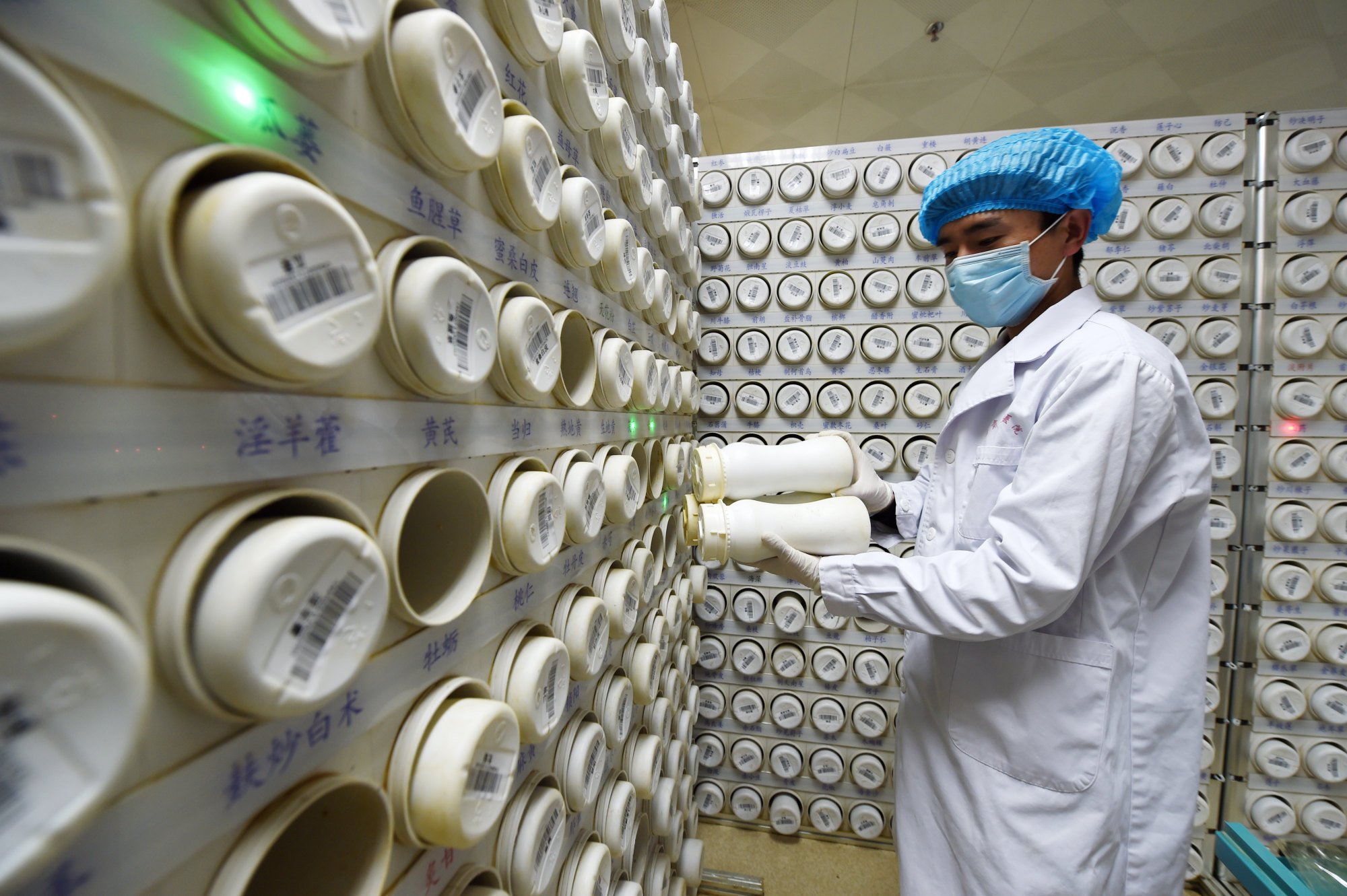
Traditional Chinese medicine (TCM) firms are also capitalising on the trend. Sichuan Neautus Traditional Chinese Medicine has been exporting its products to Southeast Asian countries, such as Vietnam, Thailand and Malaysia.
“The surge of Chinese firms expanding overseas and bringing their workforce to these regions has helped lift demand for our products,” said Jiang Feng, general manager of Sichuan Neautus, which filed an application for an IPO in Hong Kong in October.
The provider of decoction-ready products plans to use a portion of its proceeds to build overseas sales channels in Vietnam and Malaysia by 2027, according to its IPO application.
TCM companies are also tapping overseas Chinese communities and local interest in herbal medicines.
“There are many large overseas Chinese communities in Southeast Asia, and the long-standing influence of traditional Chinese medicine in the region has also drawn local customers to TCM products,” said Jiang.
Hong Kong-listed TCM group Gushengtang Holdings was set to expand into Southeast Asia, with plans to open up to 50 clinics in the region by the end of 2026, according to Chinese media reports. It operated 83 medical centres on the mainland as of June 2025, according to its interim report.
The Chinese healthcare sector’s overseas push is part of a growing trend of mainland companies using Hong Kong’s capital markets since last year to finance their overseas projects.
These include Contemporary Amperex Technology’s US$5.2 billion share sale. About 90 per cent of the proceeds have been earmarked for a battery production facility in Hungary.
China’s largest fresh-drink chain Mixue Group said it would use the IPO funds to build a new logistics hub in Southeast Asia, while Suzhou-based analogue chipmaker Novosense Microelectronics plans to turn its Hong Kong office into its overseas headquarters. -- SOUTH CHINA MORNING POST


