Geographical factors caused sinkhole, says Fadillah


Photo: Bernama

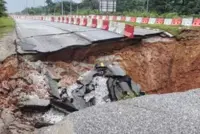
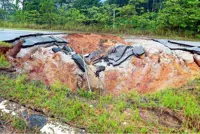
KUCHING: The sinkhole incident in Jalan Masjid India, Kuala Lumpur, was caused by factors involving geographical and soil structure, says Datuk Seri Fadillah Yusof.

The Deputy Prime Minister explained that the limestone soil composition in the area disrupted the flow of underground water, leading to soil instability, which resulted in the formation of the sinkhole.

ALSO READ: Two manholes to be searched again

“Sometimes, it’s impossible to predict when and where a sinkhole will occur.

“This phenomenon doesn’t only happen in Malaysia but also around the world, particularly in areas with limestone and specific geological conditions,” he said after launching the Convention Against Worker Exploitation here yesterday, Bernama reported.

Fadillah, who is also the Energy Transition and Water Transformation Minister, expressed hope that future advanced technology would reduce such incidents and enable early preventive measures.

“Although we cannot predict precisely when a sinkhole will occur, with the right knowledge and technology, we can take necessary steps to protect communities and mitigate the impact of these incidents,” he added.

On Friday, a tourist from India, identified as Vijayalaksmi, 48, fell into an 8m-deep sinkhole after the ground gave way when she was walking in the area in front of Malayan Mansion at 8.22am.

ALSO READ: Instil infrastructure maintenance culture, say experts

Meanwhile, the Institution of Engineers, Malaysia (IEM) has called for a thorough investigation into the incident.

Its president Prof Dr Jeffrey Chiang Choong Luin said observations from Google Maps indicate the location of the sinkhole is about 24m from the Klang River.

He said that based on visual evidence from the media, the sinkhole may be associated with underground utilities, although the precise cause remains undetermined.

“IEM emphasises that the incident serves as a reminder of the critical importance of adhering to rigorous engineering standards and best practices in the design, construction and maintenance of underground utilities,” he said in a statement.

Prof Chiang said IEM recommends that immediate actions be taken to stabilise the affected areas with input from professional engineers.

He said there is also a need to review nearby underground utilities to mitigate potential risks.

Follow us on our official WhatsApp channel for breaking news alerts and key updates!

Next In Nation

Soldier who died in assault case laid to rest
NKF to expand kidney care access amid rise in numbers
No heavy vehicles on LTU diversion
Segambut diesel incident caused by depleted fuel stock
Ministry to use sales data to curb fuel smuggling at borders
Real-time tracker for EV chargers soon as network expands
Farmers call for govt action as�production costs rise
Fertiliser shortage may impact vege harvests
Retiree loses RM300,000 life savings to ‘black magic’ scammers
Fuel stations near borders face audits

Others Also Read