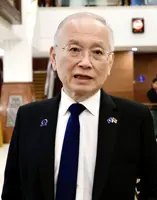
PETALING JAYA: The RM16.5bil allocated for the Transport Ministry (MOT) in Budget 2023 will drive developments in the transport sector in a comprehensive manner, says its minister Datuk Seri Dr Wee Ka Siong.
Of the RM95bil in development expenditure, RM16.5bil has been set aside for major infrastructure projects ranging from the Pan Borneo Highway, the Gemas-Johor electrified double track for KTM Bhd, the East Coast Rail Link, the Johor Baru-Singapore Rapid Transit System and the Central Spine Road.
“The second phase of MRT2 from Kampung Batu to Putrajaya Sentral is also expected to be in operation by next January for the benefit of Klang Valley commuters, while the first phase of MRT3 is expected to be ready by 2028, with expenditure for MRT3 next year projected at RM3.3bil,” said Dr Wee in a statement after Finance Minister Tengku Datuk Seri Zafrul Tengku Abdul Aziz unveiled Budget 2023 on Friday.
“The government will also bear the cost of obtaining vocational driving licences under the MyPSV programme, covering taxis, buses and ehailing, as well as cover the cost of obtaining B2 motorcycle licences to help those in the B40 group.”
In a separate statement, MOT said the MRT projects were expected to reduce traffic congestion in Klang Valley, and reinvigorate the country’s public transportation landscape while strengthening economic development.
It added that the My50 Unlimited Bus and Rail Travel Pass, which benefits nearly 180,000 users, would be retained.
“MOT will ensure that the allocations are used according to plan and that the initiatives are implemented perfectly and will impact the people.
“The budget will help all Malaysians (during these) difficult times, especially (as we) go through the post-Covid-19 pandemic.
“This will also help the transport sector rise again as the situation gradually recovers,” the statement read.
Meanwhile, the MOT is set to become the engine that drives our nation’s economic development next year, says MCA, of which Dr Wee is president.
MCA’s economic consultative committee chairman Tan Tuan Peng said the government’s highest expenditure allocation in the economic sector reflected its commitment to reviving the economy and safeguarding the livelihoods of its own citizens.
“It is obvious that Putrajaya intends to undertake a key role next year in driving and stimulating economic growth by expanding the number of infrastructure projects amidst the global financial downturn,” he said in a statement yesterday.
Referring to the allocation of RM16.5bil for major transport infrastructure projects, Tan said the Finance Ministry was focusing on the right areas.
“Railways serve as a catalyst that directly drives economic progress, and will not only help build a more efficient public transport system but also promote local economic development,” he added.
According to Dr Carmelo Ferlito, CEO of the Center for Market Education, a boutique think-tank in Kuala Lumpur, it is only right for the government to push ahead with MRT3.
“MRT3 is an ongoing project which will be beneficial for the country,” he said.
On the absence of any mention of high speed rail (HSR) projects in the budget, such as the KL-Singapore and KL-Bangkok proposals, Ferlito said it was understandable, given the current situation that the country is in.
“HSR is something new (unlike the MRT), and with the worsening fiscal position of the government, it is perhaps understandable that the Executive did not allocate any resources for it,” he said when asked on his take on the allocation for transport in the budget.
Already a subscriber? Log in
Get 20% OFF The Star Digital Access
Cancel anytime. Ad-free. Unlimited access with perks.